First Patient Gets Cell Age-Reversing Gene Therapy
A breakthrough trial just treated its first patient with a therapy that could make aging cells young again. Scientists hope to restore vision by regenerating damaged nerve cells in the eye.
Doctors just gave the first person in history a treatment designed to reverse cellular aging and restore vision lost to glaucoma.
The groundbreaking trial by Life Biosciences uses gene therapy to activate three special genes that can nudge old cells back in time. These genes help aged cells behave like young ones again without losing their specialized function.
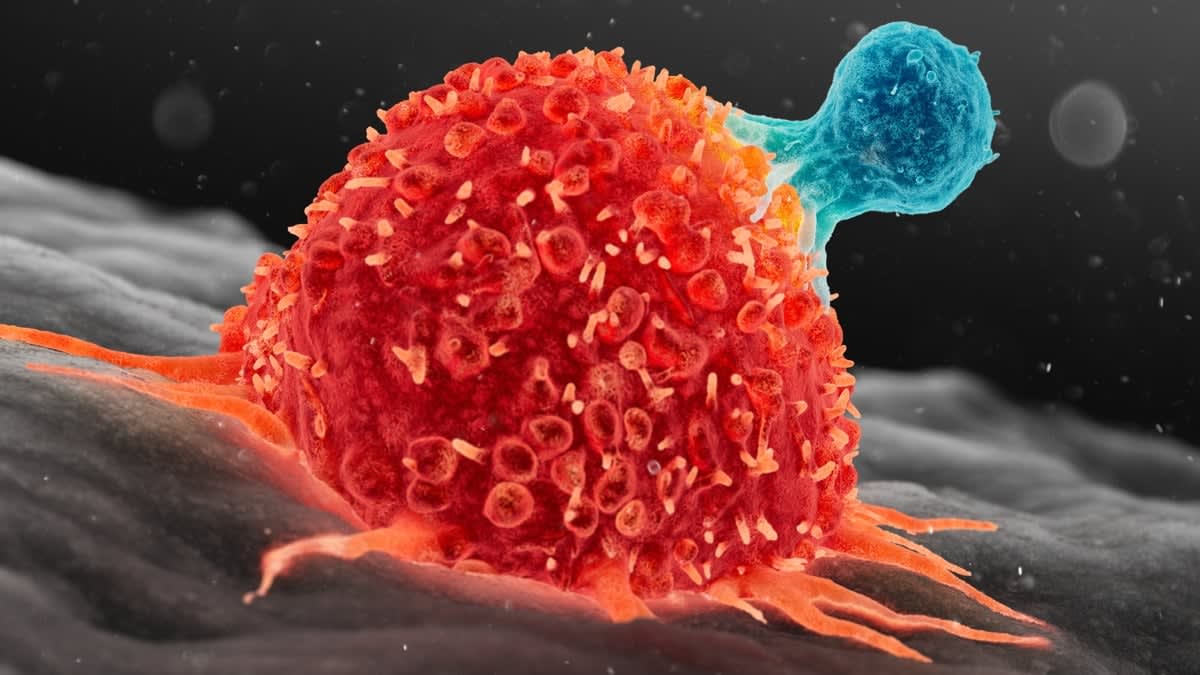
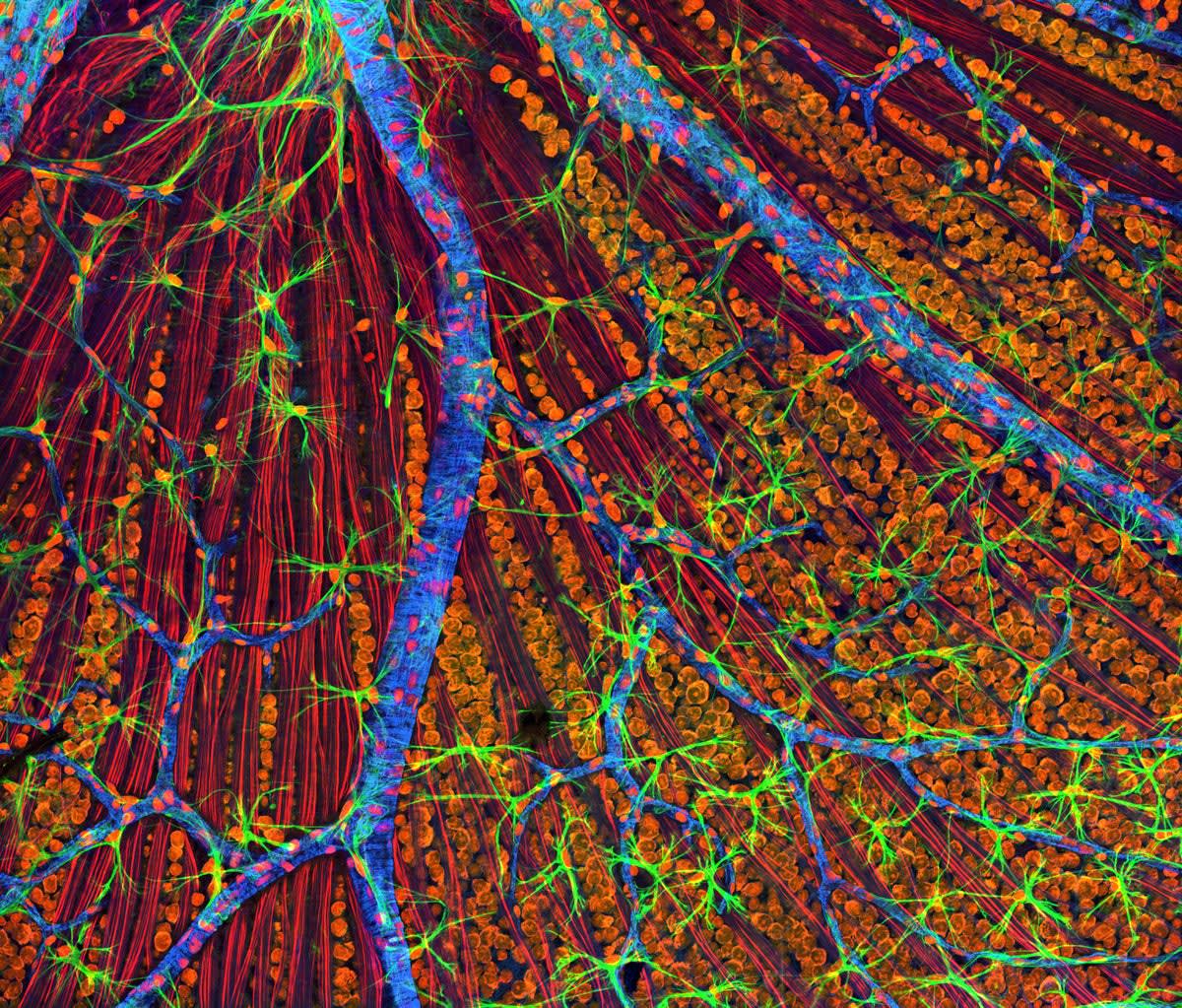
The treatment targets retinal ganglion cells, which form the optic nerve connecting the eye to the brain. In people with glaucoma, these nerve cells get damaged and don't naturally regenerate in adults. The therapy aims to switch that regeneration ability back on.
Scientists first tested this approach in 2020 when Harvard researchers found it reversed vision loss in aged mice and mice with glaucoma. Since then, the company has successfully tested the treatment in rodents and monkeys without seeing serious side effects.
The therapy works by using a harmless virus to deliver the three reprogramming genes into eye cells. Patients take an antibiotic called doxycycline to turn the genes on, and stopping the antibiotic switches them off. This safety feature gives doctors precise control over how long the treatment stays active.
The trial will treat up to 12 people with glaucoma and may later include patients with NAION, a severe condition that also damages the optic nerve. Researchers chose the eye as the first testing ground because potential side effects are less likely to be life threatening compared to other organs.
Why This Inspires
This marks the first time cellular reprogramming has moved from laboratory animals to human patients. While the immediate goal is treating eye diseases, the same approach could eventually rejuvenate aging organs throughout the body.
Life Biosciences is already studying the technique in animal models of liver disease. The company plans to tackle age-related diseases one at a time before attempting whole-body rejuvenation.
For people with glaucoma and NAION, this represents hope where little existed before. Eye nerve damage has historically been irreversible, and the field has struggled to attract adequate funding and attention.
The next few months will reveal whether we can safely turn back the cellular clock in humans, opening doors to treating diseases once considered permanent.
More Images
Based on reporting by Scientific American
This story was written by BrightWire based on verified news reports.
Spread the positivity!
Share this good news with someone who needs it