Five Groups Turning Ocean Plastic Into Fashion and Income
From Dutch barriers in the Pacific to Mumbai beach cleanups, innovators worldwide are transforming ocean pollution into opportunity. These five initiatives prove the plastic crisis isn't just solvable—it's already being solved.
Imagine an island of trash so massive it's about to be visible from space, floating between Japan and the United States with no country willing to claim it.
That nightmare is real, but so are the people fighting back. Around the world, five innovative groups are tackling ocean pollution with solutions that range from floating barriers to fashion runways, proving that even our biggest environmental problems can shrink when creativity meets determination.
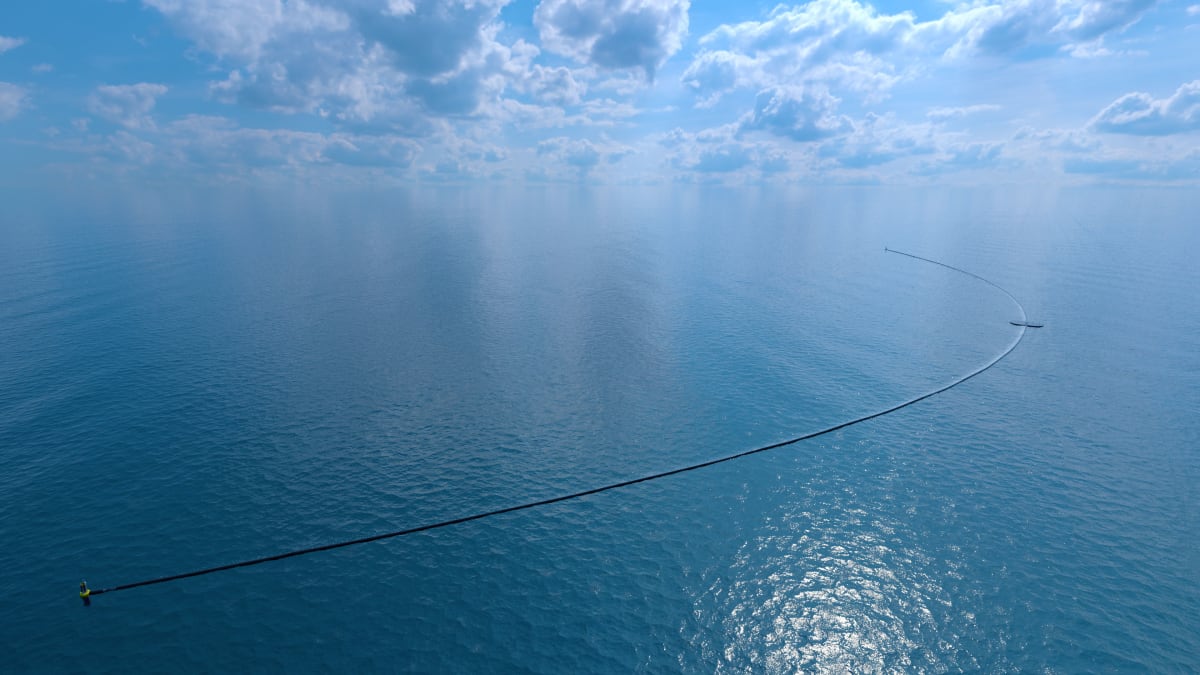
Dutch entrepreneur Boyan Slat was just diving off the coast of Greece in 2011 when he realized the ocean contained more plastic than fish. Two years later, he founded The Ocean Cleanup in Delft with an audacious promise: clear 50 percent of the Great Pacific Garbage Patch within five years using kilometer-long barriers that trap debris for collection and recycling.
In Vancouver, David Katz had a different insight about the same problem. The Plastic Bank he founded in 2013 turned waste into wages, letting people in developing countries exchange collected plastic for school tuition, health insurance, or cooking fuel. What started with 30 stations in Haiti has expanded to the Philippines, with Brazil and Indonesia joining in 2018.
Madrid-based fashion brand Ecoalf proves ocean plastic can be stylish. Founder Javier Goyeneche partners with over 3,000 fishermen who collect marine waste that becomes clothing and accessories, all manufactured locally to avoid creating more pollution. The brand now has stores in Spain and Germany, with a Thailand expansion underway.
Sometimes the simplest approaches work best. Mumbai lawyer Afroz Shah started spending weekends picking up trash at Versova Beach in 2015, and word of mouth brought him 3,000 volunteers. Together they've removed 9,000 tonnes of waste from a 2.5-kilometer stretch, with plans expanding to rivers and mangrove forests across India.
Meanwhile, Project Aware organizes divers in 50 countries to collect underwater debris and document what they find. Since 1989, they've gathered over 500,000 pieces of trash while providing data that helps shape environmental policy.
The Ripple Effect
These initiatives share a common thread: they transform pollution from an overwhelming problem into tangible opportunities for income, innovation, and individual action. The Plastic Bank creates economic incentives in communities that need them most. Ecoalf proves sustainability can drive profit and style. Shah demonstrates how one person's weekend hobby can mobilize thousands.
Each approach tackles different aspects of the same crisis, from prevention to cleanup to transformation. Together, they're building a blueprint other communities and countries can follow, turning the tide on ocean pollution one barrier, one dive, one collected bottle at a time.
The ocean's plastic problem took decades to create, but these five groups show we won't need decades to solve it.
Based on reporting by Google News - Ocean Cleanup
This story was written by BrightWire based on verified news reports.
Spread the positivity!
Share this good news with someone who needs it