Five Wildlife Wins Show Conservation Really Works
From New Zealand's kākāpō to South Africa's rhinos, this week brought real victories for species on the brink. Across four continents, targeted protection efforts are proving that we can turn things around.
A critically endangered parrot in New Zealand just had its best breeding season ever, and it's part of a wave of conservation wins happening around the world right now.
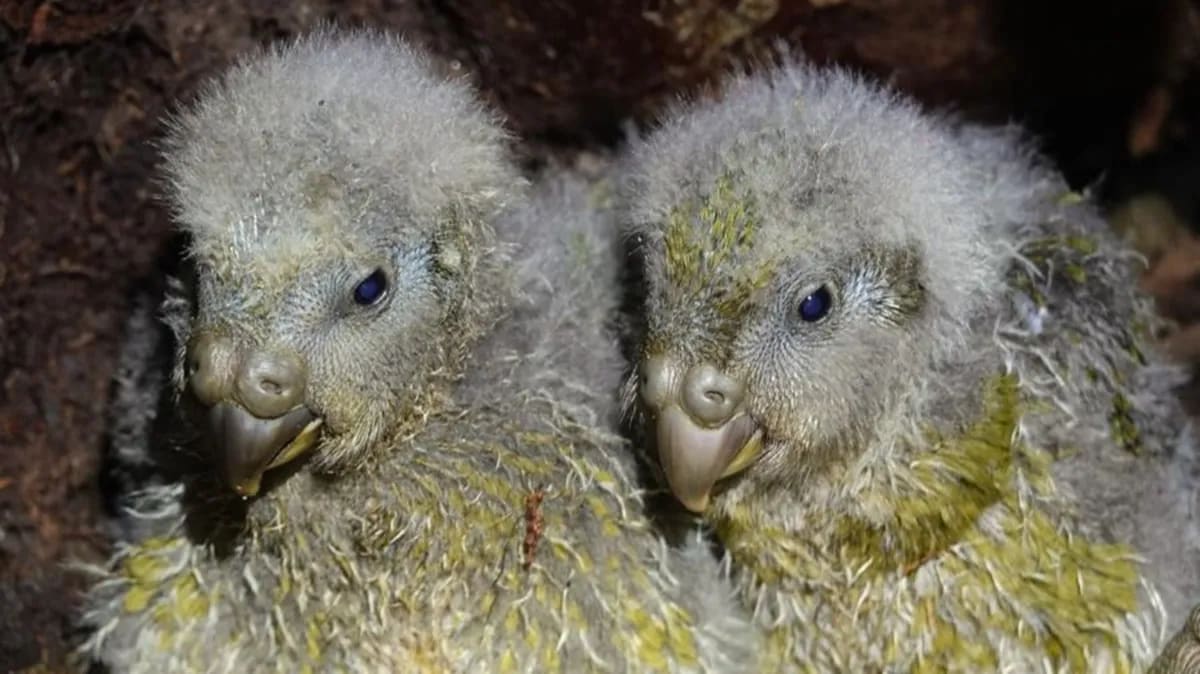
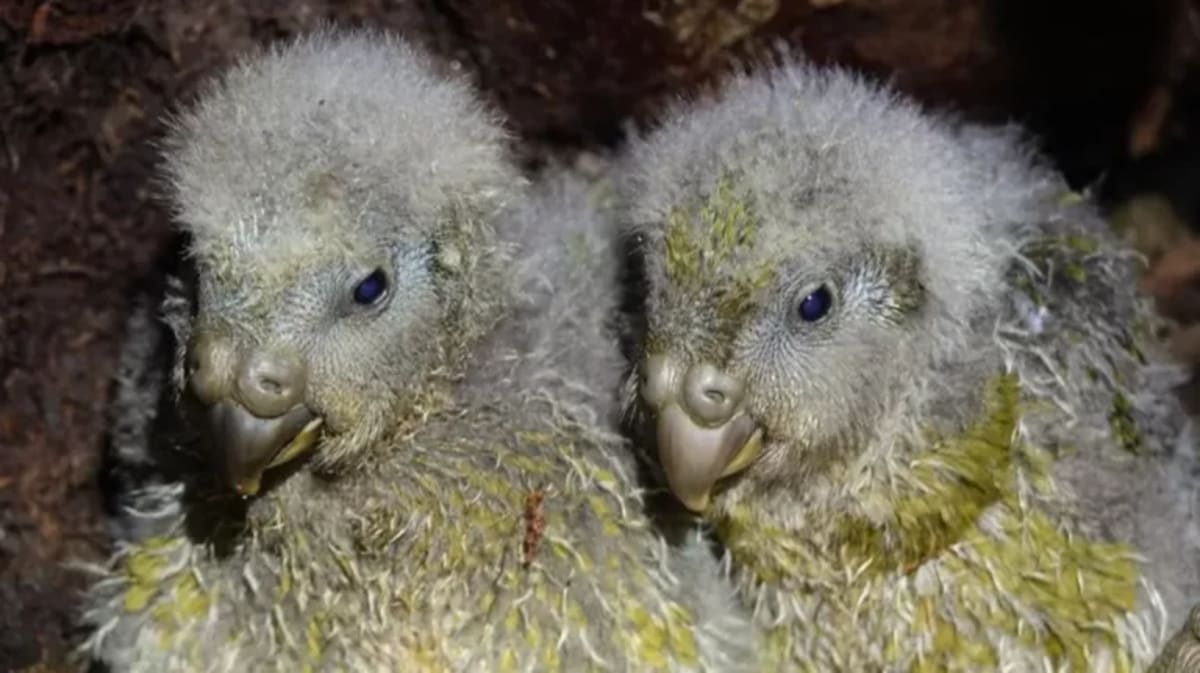
The kākāpō, a flightless night parrot found only in New Zealand, welcomed more than 100 chicks this season. That pushes the total population to around 235 birds, up from just a few dozen in the 1990s when the species nearly vanished forever.
The recovery didn't happen by accident. Conservationists moved the remaining birds to predator-free islands, monitored their genetics carefully, and managed breeding with precision. The intensive approach is working.
Halfway across the world in Australia, another species is staging a comeback. The greater bilby, a rabbit-eared marsupial, has grown from 50 individuals to over 1,800 inside a fenced reserve that keeps out invasive predators. Across all monitored sites, bilby numbers have climbed substantially in the past year alone.
In the United States, the largest wildlife overpass in North America is already reducing deadly collisions between animals and vehicles. These crossings do more than prevent roadkill. They reconnect fragmented habitats and restore migration routes that many species need to survive.
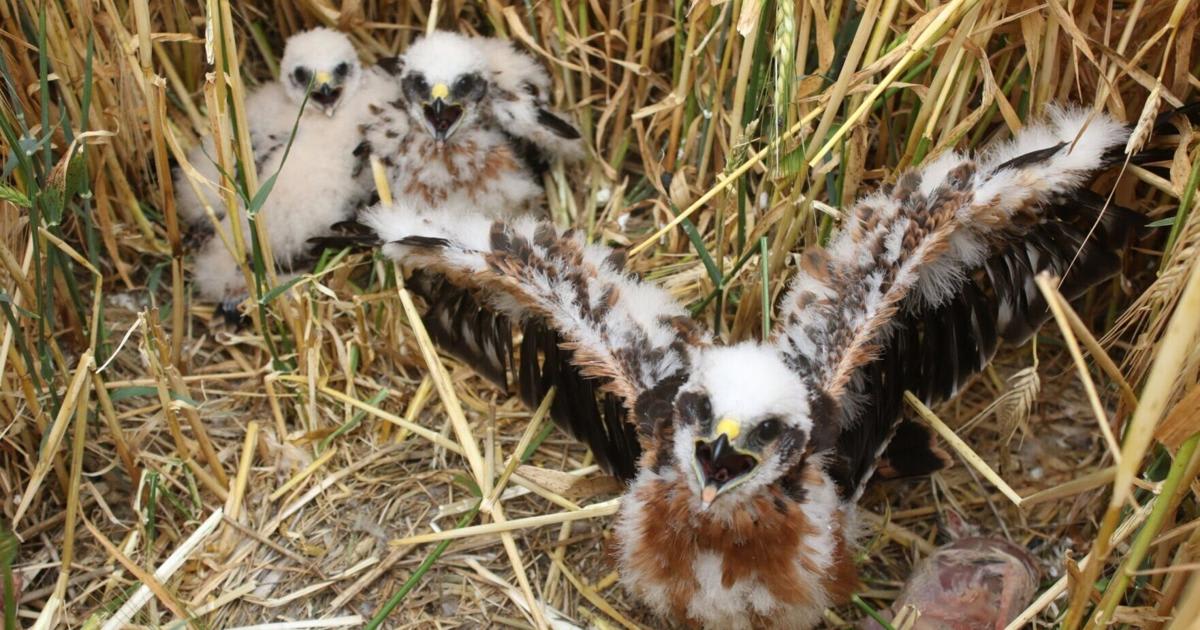
Meanwhile, a pair of bald eagles welcomed two new chicks, sparking a campaign to protect their nesting habitat for the long term. While bald eagles have recovered from near extinction, local populations still need safe places to raise their young.
The Ripple Effect
Perhaps the most striking win came from South Africa's KwaZulu-Natal province, which recorded zero rhino poaching incidents in January 2026. For a region at the center of a devastating poaching crisis, even one month without losses represents a major breakthrough. Stronger anti-poaching patrols, better surveillance technology, and sustained funding are making the difference.
These wins share a common thread. Each one resulted from people making deliberate, sustained investments in protection. Predator-proof fences work. Wildlife crossings work. Anti-poaching patrols work. Habitat protection works.
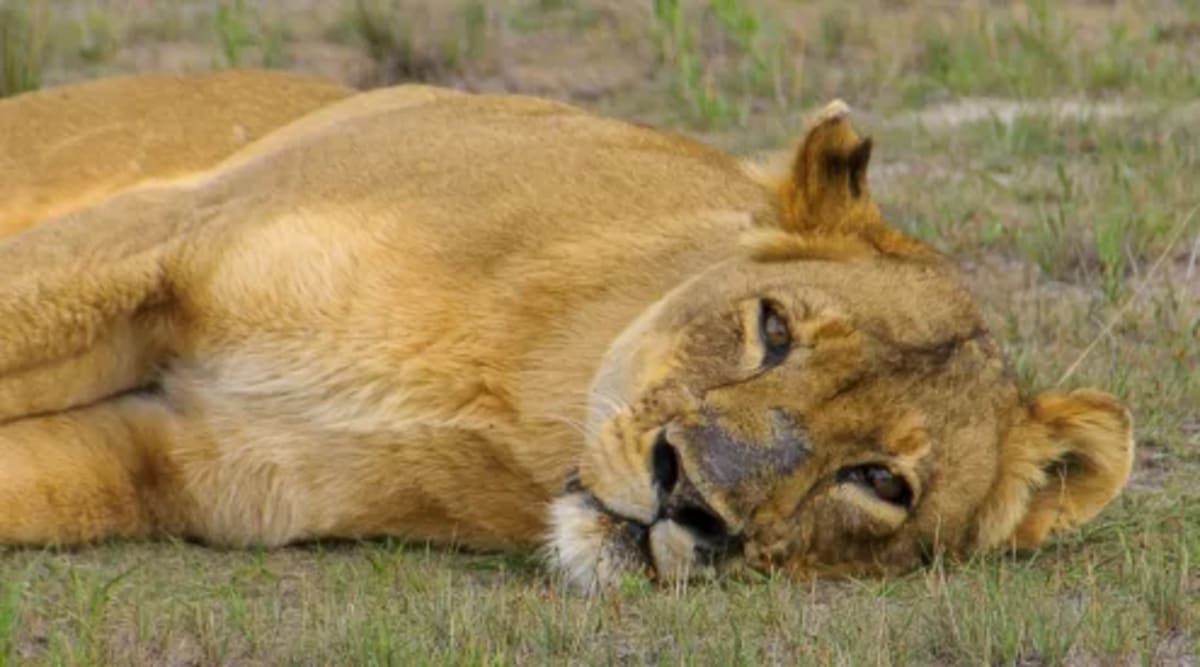
The victories also remind us that conservation doesn't require choosing between species. We can protect flightless parrots and big cats, marsupials and eagles, all at once. Different species need different strategies, but the same principle applies everywhere: when we commit resources and follow through, populations recover.
None of these wins mean the work is finished. The kākāpō remains critically endangered. Bilbies still need protected spaces. Rhinos face ongoing threats. But this week proved that the trajectory can shift when conservation gets the support it deserves.
The species we thought we'd lost are coming back.
More Images


Based on reporting by Google News - Wildlife Recovery
This story was written by BrightWire based on verified news reports.
Spread the positivity!
Share this good news with someone who needs it