Flexible Diamond Generates Electricity in Lab Breakthrough
Scientists in Hong Kong discovered that ultrathin diamond membranes produce electricity when bent, challenging a century-old assumption. The breakthrough could eventually power tiny medical implants and sensors inside the human body.
Scientists just proved that one of Earth's hardest materials can bend and create electricity, opening possibilities for medical devices that power themselves.
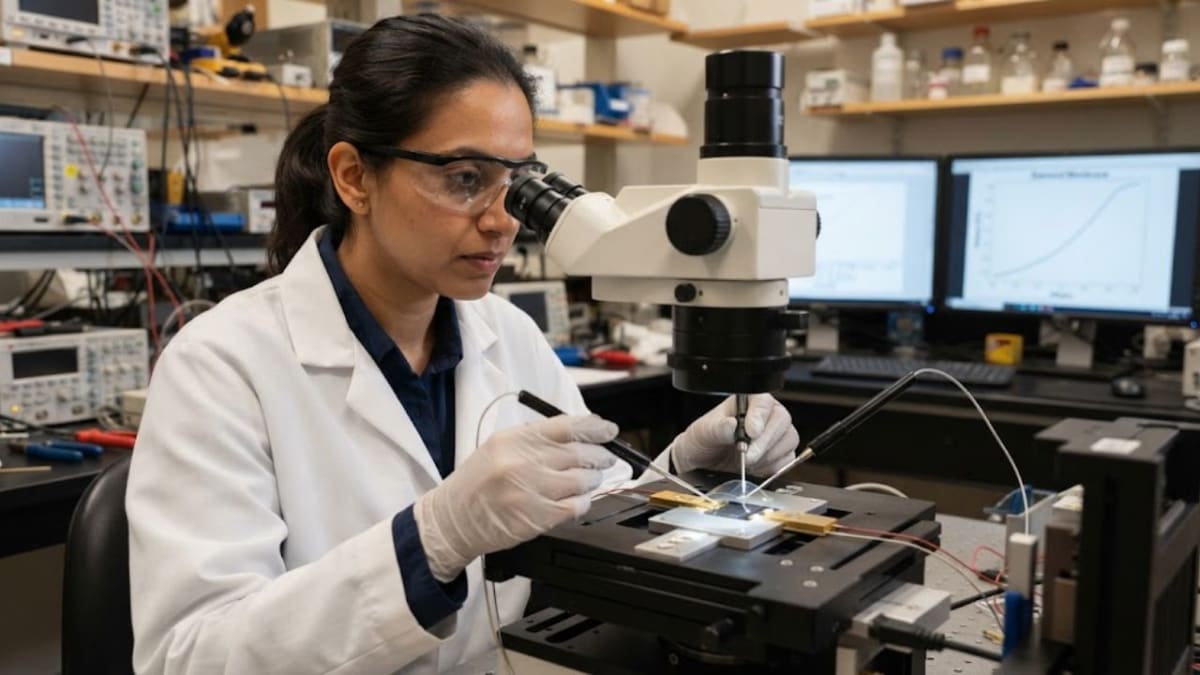
Researchers at the University of Hong Kong made diamond membranes thin enough to flex, then watched something unexpected happen. When they bent the material, it generated a stable electrical voltage.
For more than a century, scientists believed diamond could never produce electricity through mechanical stress. The material's legendary hardness seemed to rule out any electrical response from bending or squeezing.
The team worked with polycrystalline diamond, which contains many tiny crystals instead of one large crystal. They created membranes so thin the normally rigid material could actually bend.
When they repeatedly flexed these membranes in controlled tests, voltage signals appeared every time. The consistency proved the diamond itself was generating electricity, not some accidental effect from the experiment.
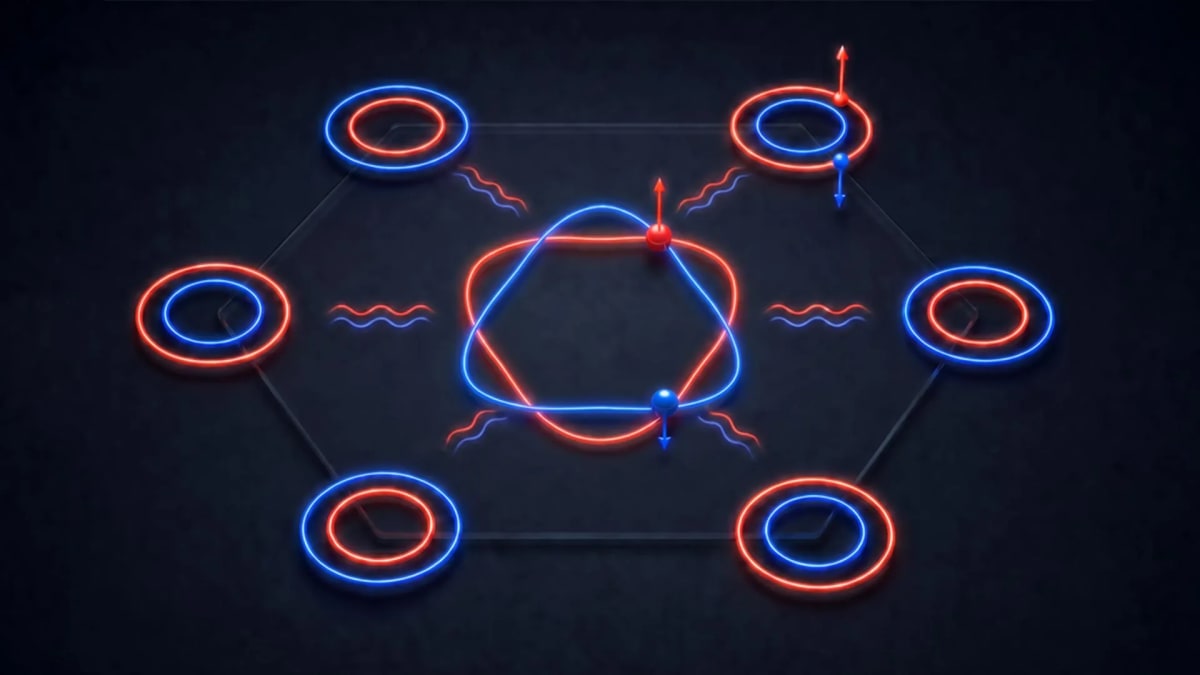
The secret lies in grain boundaries, the microscopic edges where individual crystals meet inside the material. When the thin membrane bends, electrical charge builds up around these asymmetric boundaries, creating voltage between the membrane's two surfaces.
This discovery matters because future medical implants need to be incredibly small while still sensing movement and generating power. A flexible diamond membrane could potentially do both jobs at once.
Diamond brings other advantages for medical use too. The material resists chemical reactions and works safely inside the human body, making it attractive for long-term implants.
Why This Inspires
This breakthrough shows how even the most familiar materials can surprise us when we look at them differently. Diamond has served for decades as a durable structural material in technology, valued for its toughness but not for generating electricity.
By engineering diamond at an ultrathin scale, scientists revealed an electrical behavior hiding in plain sight. The same extreme hardness that makes ordinary diamond resist bending becomes an asset when paired with flexible membrane design.
The researchers haven't yet built a working medical implant or self-powered sensor. Those applications remain theoretical while scientists work to fully understand the mechanism.
But the fundamental discovery stands: diamond can generate electricity when it's thin enough to flex. Future sensors might detect physical changes in the body while creating their own power from natural movements.
The finding also represents something larger than one material's new trick. It reminds us that scientific assumptions, even century-old ones, deserve questioning when new technologies let us test materials in ways never before possible.
One of the world's most well-known materials just revealed it still has secrets worth discovering.
More Images
Based on reporting by Google News - Scientists Discover
This story was written by BrightWire based on verified news reports.
Spread the positivity!
Share this good news with someone who needs it