Scientists Discover Diamonds Can Generate Electricity
Researchers just proved that ultrathin diamond can produce electricity when bent, overturning a century of scientific belief. The breakthrough could power medical implants and tiny sensors without batteries.
Diamond, one of the hardest materials on Earth, can now generate its own electricity when flexed.
Scientists at the University of Hong Kong have shattered a scientific assumption that stood for over 100 years. They discovered that ultrathin diamond membranes produce measurable electrical voltage when bent, a property called piezoelectricity that experts believed diamond could never have.
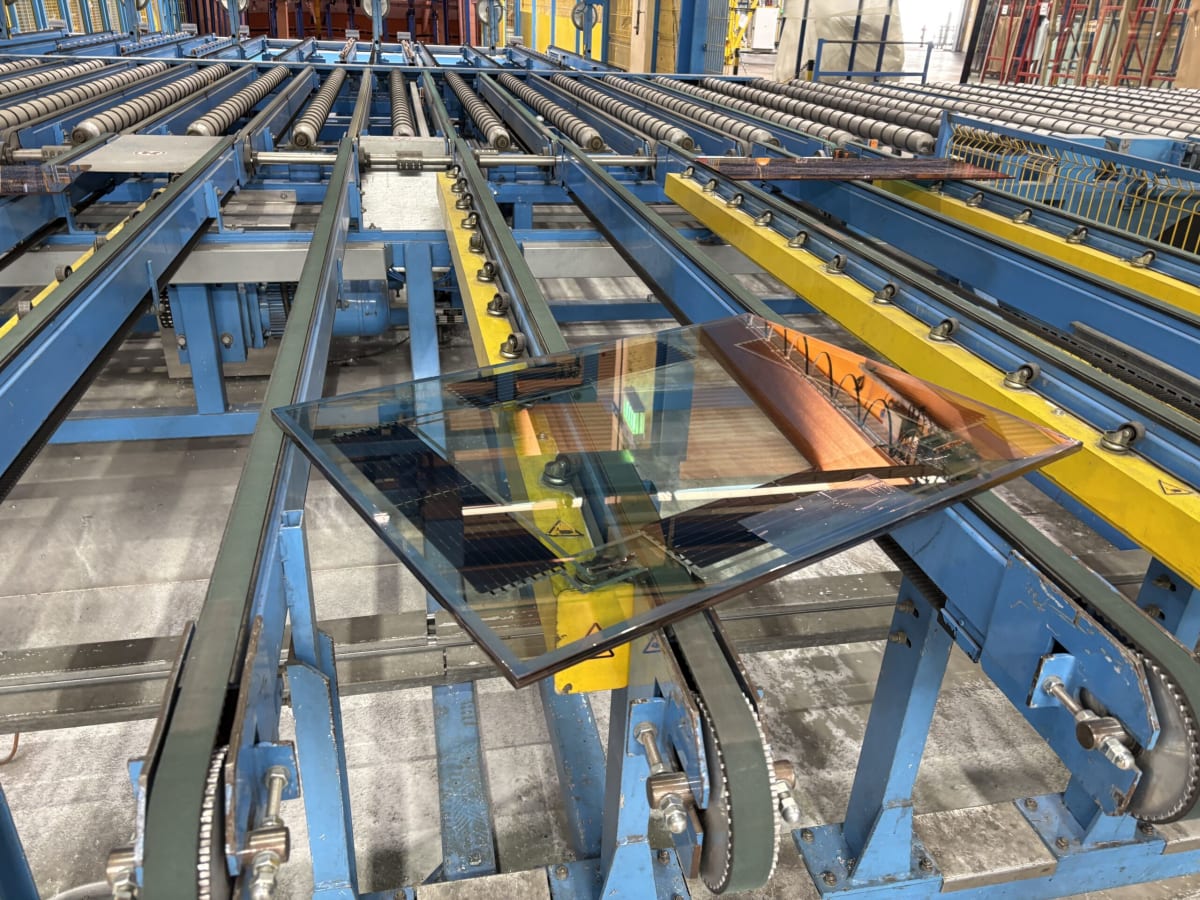
Professor Zhiqin Chu and Professor Yuan Lin led the research team that made diamond thin and flexible enough to test under extreme conditions. Using a cutting-edge edge exfoliation method, they created diamond membranes so thin they could actually bend, unlike the rigid bulk diamond we normally think of.
When the researchers flexed these membranes, stable voltage signals appeared consistently. They ran extensive tests to make sure the electricity was real and not caused by environmental interference or static-like effects from surfaces rubbing together.
The secret lies in the grain boundaries where tiny diamond crystals meet inside the material. As the membrane bends, electrical charge builds up along these boundaries, creating a voltage difference between the top and bottom surfaces. First-principles calculations confirmed this asymmetry was generating the piezoelectric effect.
The discovery transforms diamond from a passive structural material into an active electrical component. For decades, engineers used diamond only as a support structure for other materials in microelectromechanical systems, never imagining it could generate power itself.
Why This Inspires
Diamond's natural properties make it perfect for medical technology. The material is biocompatible, chemically stable, and non-toxic, meaning it won't harm living tissue or break down inside the body.
Future medical implants could use piezoelectric diamond membranes as self-generating power sources that harness body movement. They could also serve as sensors detecting bending and deformation in real time, all without needing battery replacements or external charging.
Beyond medicine, the technology opens doors for high-reliability micro energy systems and self-powered sensing devices in extreme environments. Diamond's exceptional strength, thermal conductivity, and chemical resistance mean these systems could work where other materials fail.
The research proves that sometimes our most fundamental assumptions deserve a second look, especially when new technology lets us test materials in ways never possible before.
Based on reporting by Science Daily
This story was written by BrightWire based on verified news reports.
Spread the positivity!
Share this good news with someone who needs it