FAW Creates World's First Solar-Powered Car Sunroof
Chinese automaker FAW has built the world's first perovskite solar sunroof integrated into curved car glass, generating enough power annually to drive an extra 1,000 miles. The breakthrough could help electric vehicles charge themselves while parked outdoors.
Chinese automaker FAW just solved one of the trickiest puzzles in green transportation: how to turn your car's roof into a power plant.
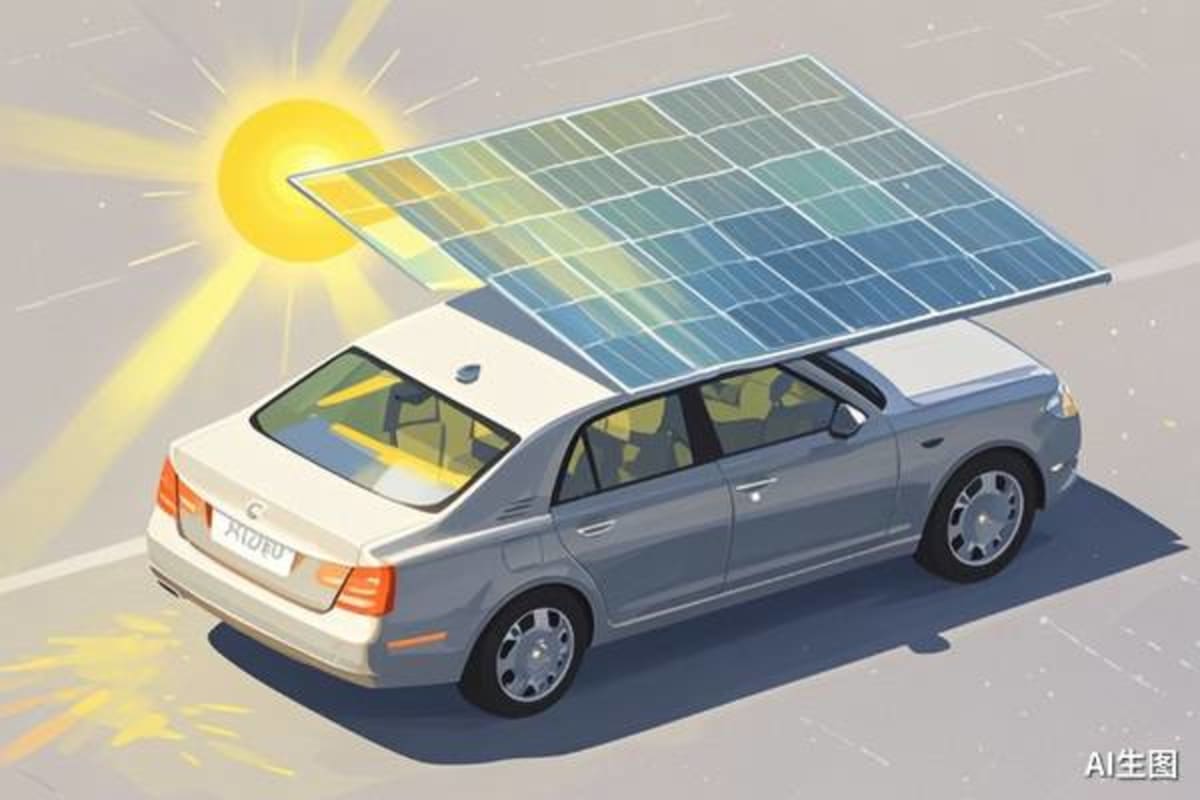
The company unveiled the world's first perovskite solar sunroof that integrates photovoltaic cells directly into curved automotive safety glass. This isn't a panel stuck on top but actual power-generating glass that looks and functions like a regular sunroof.
The prototype generates nearly 300 watts under full sunlight and produces 400 kilowatt-hours annually. That's enough electricity to power an average home for two weeks, or in this case, provide an electric vehicle with roughly 1,000 extra miles of free driving per year.
What makes this special is the perovskite technology itself. Unlike bulky silicon solar panels, perovskite cells are thin, flexible, and can conform to the curved surfaces that make modern cars aerodynamic and beautiful.
FAW's engineers believe this is just the beginning. If they can apply the same technology to hoods, trunks, and side panels, a car could theoretically generate 10 kilowatt-hours per day when parked in the sun.
The technology addresses a real pain point for electric vehicle owners who don't drive daily. Cars equipped with security cameras and monitoring systems can drain 1 to 3 kilowatt-hours overnight just sitting still, meaning owners sometimes need to charge vehicles they haven't even driven.
The Ripple Effect
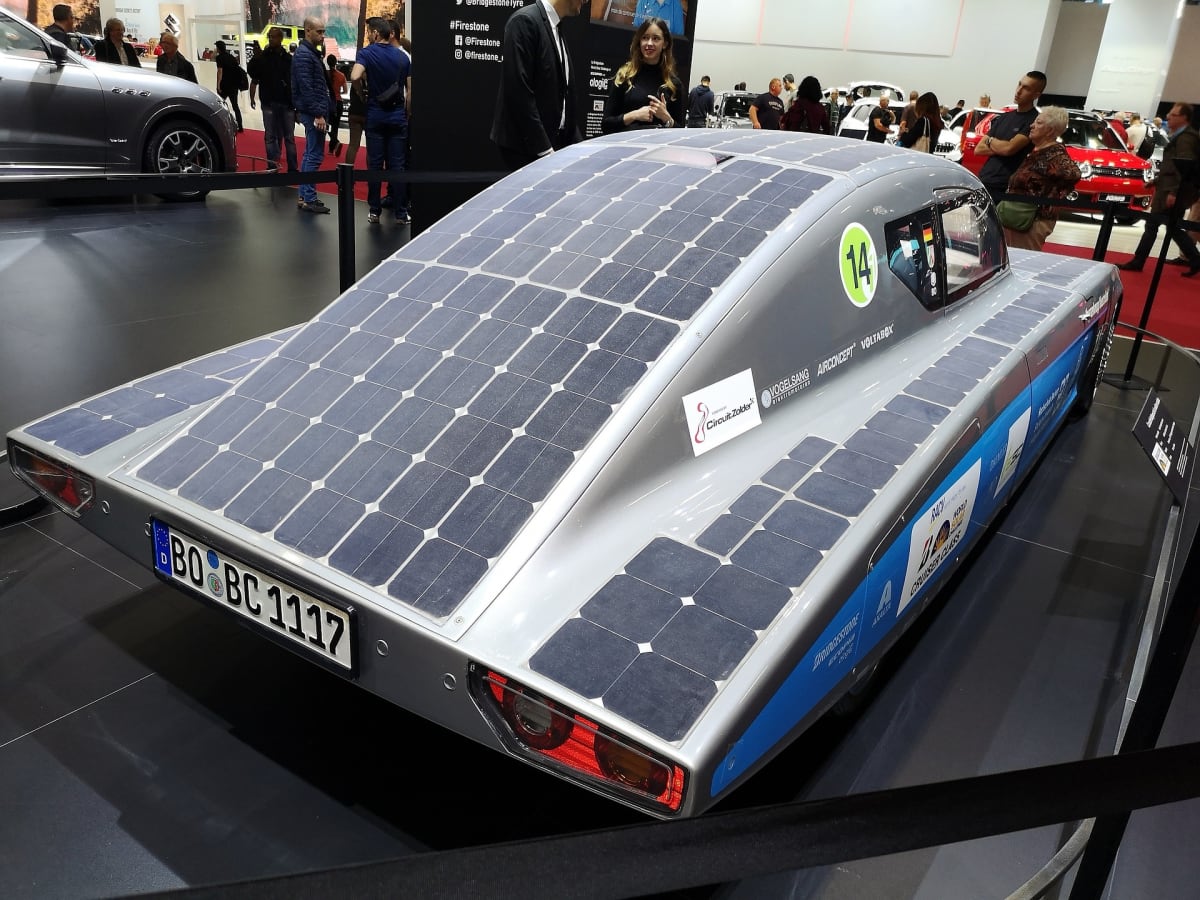
Solar car technology has stumbled before, with companies like Dutch startup Lightyear going bankrupt after trying to build fully solar-powered vehicles. Toyota and Nissan have offered solar options that took decades to pay for themselves.
But FAW's approach is smarter. They're not claiming solar will replace charging stations, just supplement them. Even a few hundred miles of free range per year reduces costs and grid dependency without requiring perfect conditions.
This matters beyond individual car owners. If millions of electric vehicles generate even modest amounts of their own power, it reduces strain on electrical grids during peak hours. Parked cars become tiny distributed energy assets rather than just energy consumers.
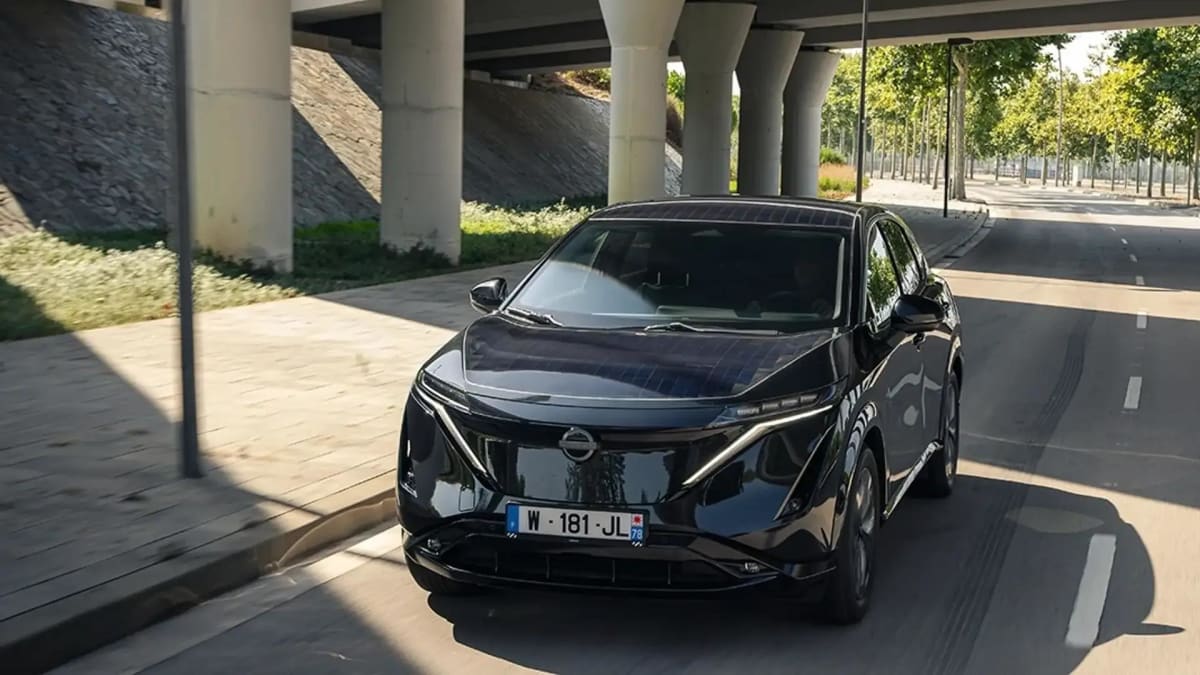
Other automakers are watching closely. Nissan recently partnered with former Lightyear engineers to develop solar technology for its Ariya concept vehicle, showing the industry hasn't given up on sunshine-powered driving.
The perovskite sunroof won't arrive in showrooms tomorrow, but FAW's breakthrough proves the concept works in real automotive conditions. As solar cell efficiency improves and costs drop, your next car might charge itself while you're at work.
More Images
Based on reporting by Google: solar power breakthrough
This story was written by BrightWire based on verified news reports.
Spread the positivity!
Share this good news with someone who needs it