Singapore Turns $37B Into Real-World Tech Breakthroughs
Singapore's 15-year, $37 billion research strategy is transforming bold ideas into working technologies that are cutting carbon emissions, revolutionizing healthcare, and putting quantum computers to work. From 3D-printed ship propellers to the nation's first commercial quantum computer, these aren't lab experiments anymore.
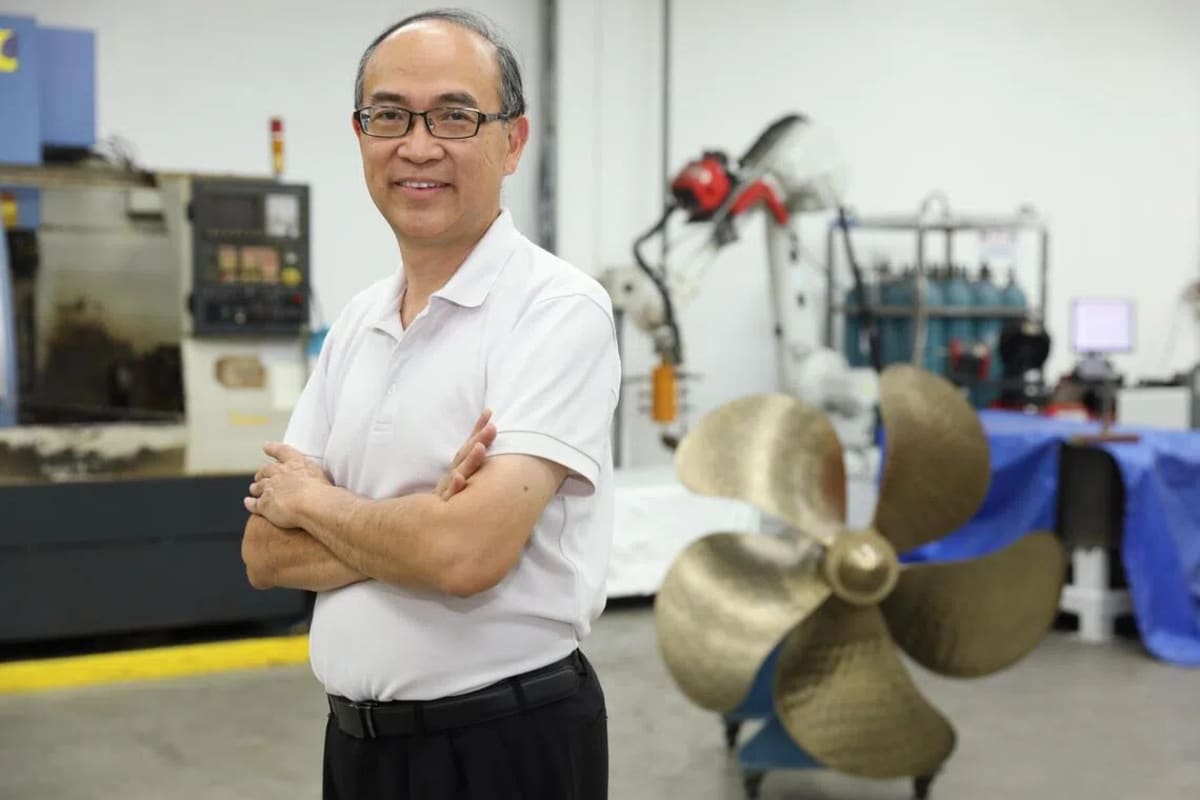
A ship propeller that used to take a month to build now takes two weeks, cuts carbon emissions by 36%, and never needs European sand imports.
That's just one win from Singapore's ambitious 15-year plan to turn research funding into real-world progress. Since 2010, the island nation has invested billions through its Research, Innovation and Enterprise roadmap, and the results are finally moving from labs to factories.
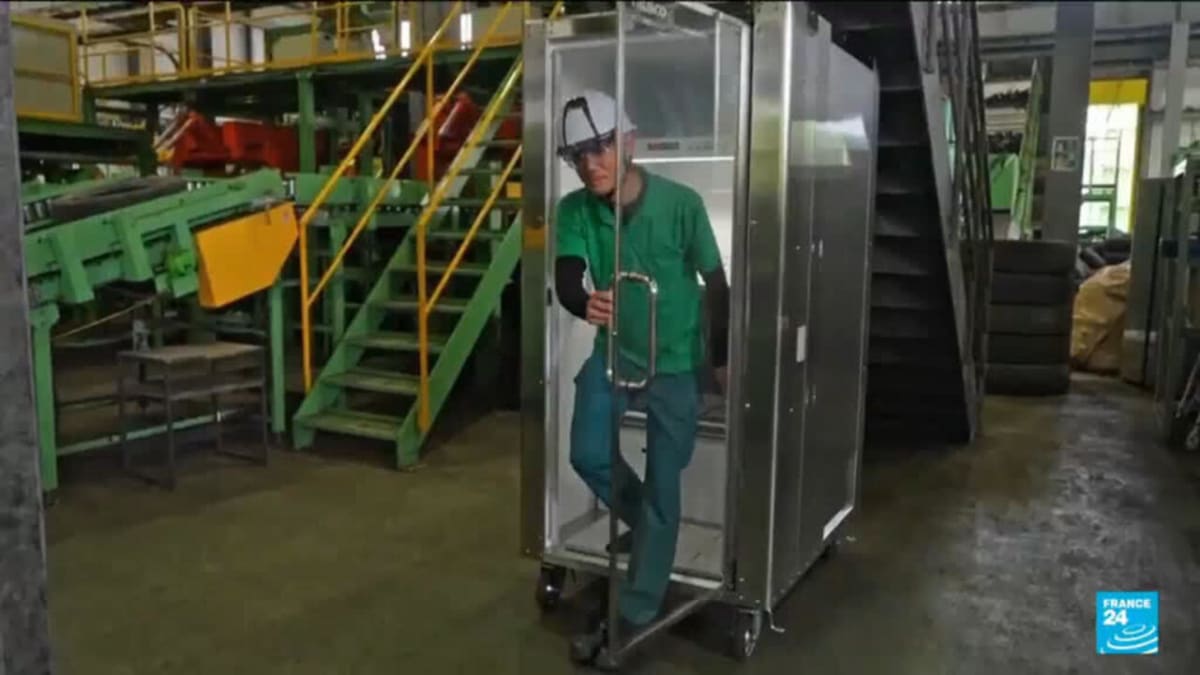
Mencast Marine started in 1981 making boat propellers the old-fashioned way. Four workers would melt bronze into sand molds, a process requiring materials shipped from Europe and intensive manual labor.
In 2023, the company partnered with Singapore's national research network to bring artificial intelligence and 3D printing into their workshop. Now robotic nozzles build 200kg propellers layer by layer, slashing production time in half and saving 1,743kg of CO2 per propeller.
The automated process boosted productivity by 30%. Lloyd's Register certified it as the world's first fully 3D-printed marine propeller, and Mencast is already exploring AI to design even more efficient models.
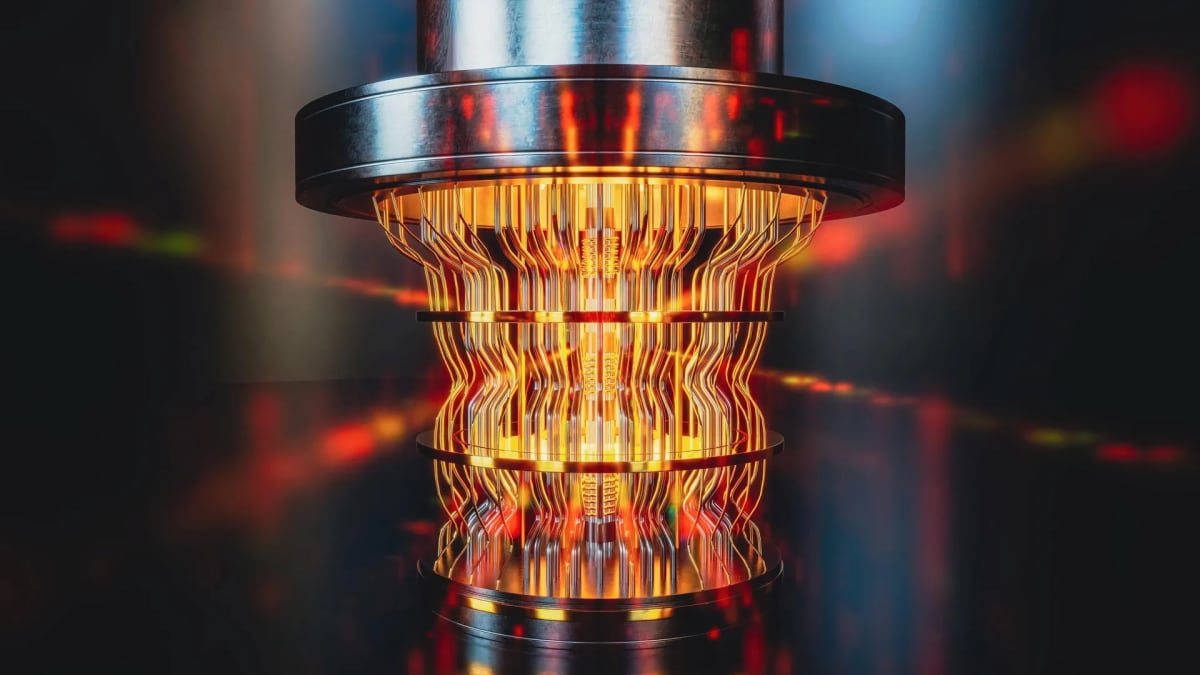
Meanwhile, quantum computing is moving out of physics labs and into actual offices. Horizon Quantum, founded in 2018 by researchers from Singapore University of Technology and Design, built tools that let regular software developers work with quantum computers without needing a physics PhD.
The startup caught government attention early. SGInnovate, a state-backed venture builder, led their first funding round in 2018, connecting them with investors from the US and Japan for $5.2 million.
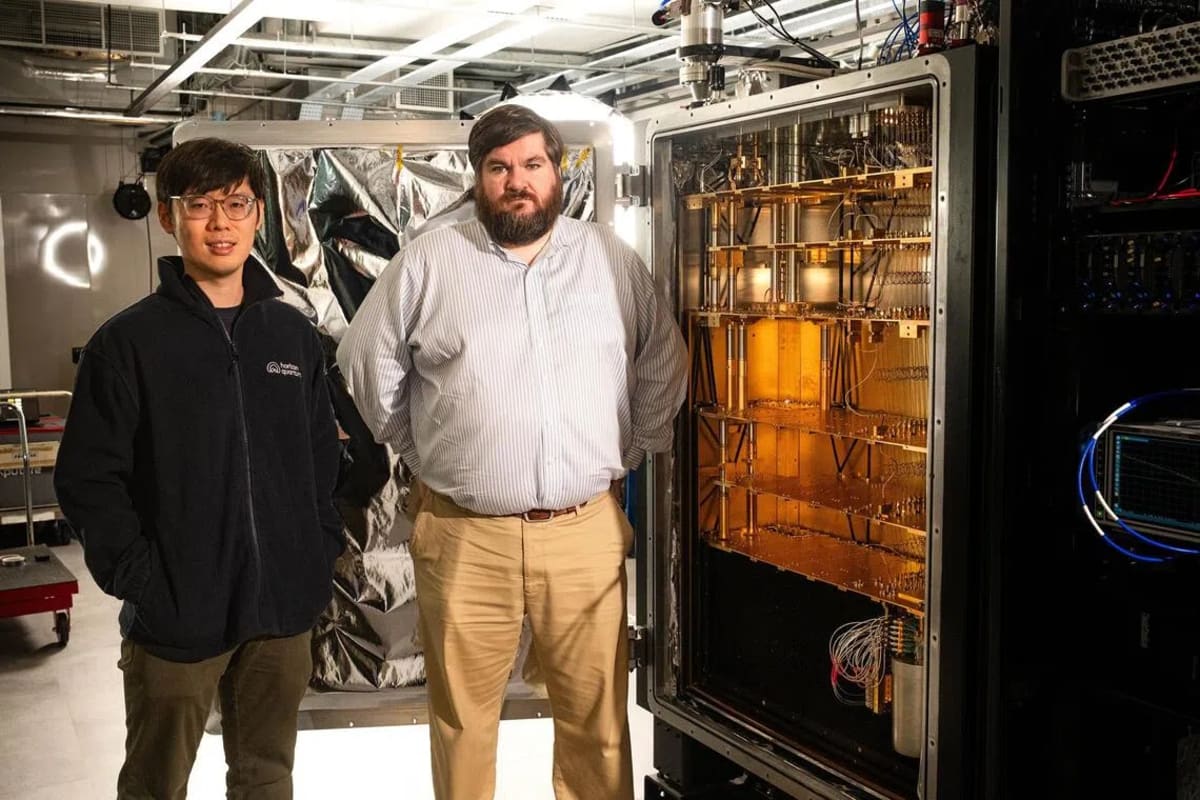
By 2023, Horizon Quantum raised another $18.1 million. In January 2026, they launched Singapore's first commercial quantum computer available for hire in the one-north district.
The $2.9 million machine isn't sitting idle. Horizon Quantum became a key player in Singapore's National Quantum Safe Network, helping shield critical infrastructure from future cybersecurity threats that quantum computing could create.
Singapore's latest five-year plan comes with a $37 billion budget, nearly doubling early investments. The National Research Foundation is releasing its full RIE2030 roadmap to guide the next wave of innovation.
Other breakthroughs are already underway. The PRECISE initiative is mapping human genomes to advance precision medicine, while PREPARE creates respiratory tissue models to improve epidemic response after COVID-19's lessons.
The Ripple Effect
These aren't isolated success stories. Singapore's coordinated strategy connects universities, startups, and traditional manufacturers through platforms like the National Additive Manufacturing Innovation Cluster. When Mencast needed 3D printing expertise, the network was ready. When Horizon Quantum needed funding advice, government-backed mentors stepped in.
The approach transforms how an entire nation innovates. Small manufacturing companies gain access to cutting-edge AI. Physics breakthroughs become commercial services within years, not decades.
Fifteen years ago, Singapore bet billions that coordinated research investment could punch above its weight, and now quantum computers hum in local offices while greener propellers cut through Asian waters.
More Images


Based on reporting by Google News - Singapore Technology
This story was written by BrightWire based on verified news reports.
Spread the positivity!
Share this good news with someone who needs it