Flickering Lights May Slow Alzheimer's in 700-Patient Trial
A biomedical engineer at Georgia Tech is testing whether ski goggle-style lights and sound can slow Alzheimer's progression, offering hope for millions without the serious side effects of current drugs. Nearly 700 patients are now enrolled in a promising Phase 3 clinical trial.
What if slowing Alzheimer's disease was as simple as wearing goggles that flash lights at your eyes? That's the breakthrough Annabelle Singer is chasing at Georgia Institute of Technology, and early results are turning heads.
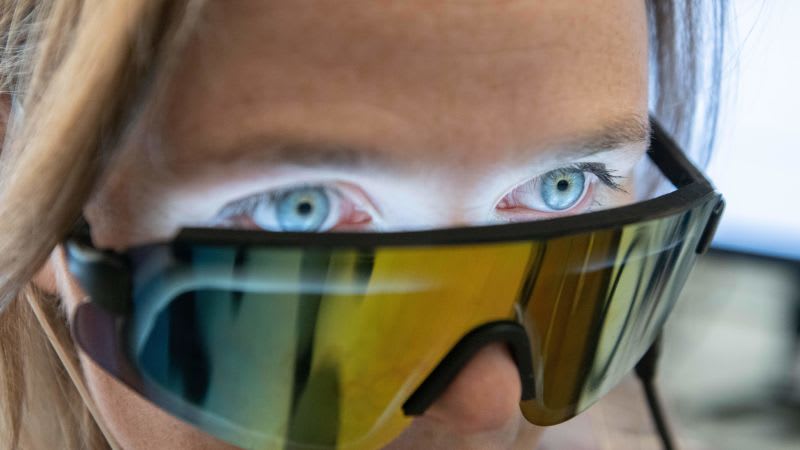
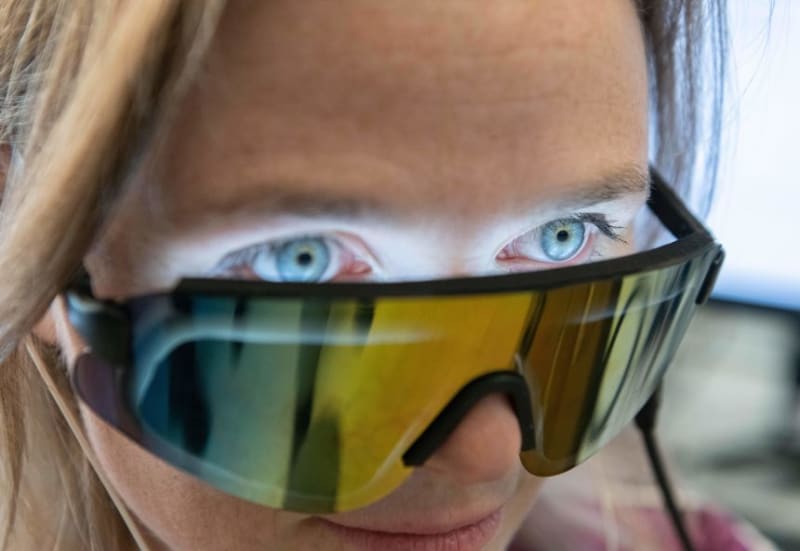
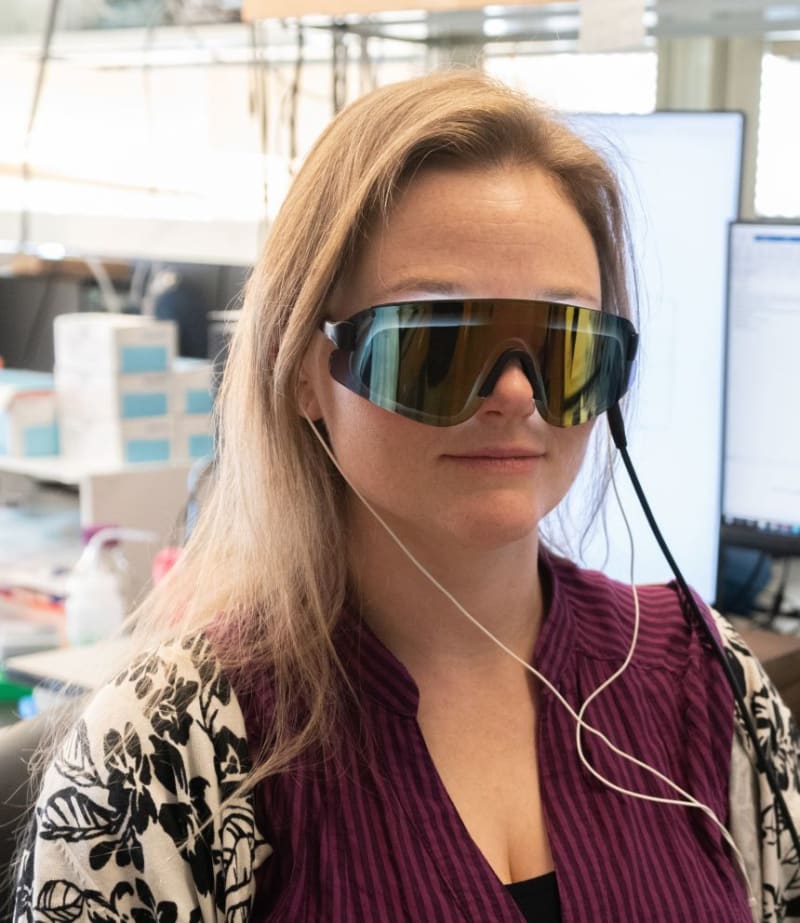
Singer, a biomedical engineer, has taken a completely different approach than pharmaceutical companies spending billions on drug research. Her treatment looks like ski goggles paired with headphones. The goggles flash lights about five times faster than a strobe light while the headphones play fast clicking sounds, all at a frequency of 40 Hz.
The science behind it focuses on how our brains create memories. Singer discovered that specific patterns of neural activity fail in Alzheimer's patients. By stimulating the brain with precise light and sound patterns for just an hour a day, she's trying to restore those patterns and potentially slow cognitive decline.
Early tests showed real promise. A small study of 10 patients with mild cognitive impairment revealed beneficial changes in both spinal fluid and brain wave patterns after eight weeks of treatment. Patients showed improved electrical connectivity in their brains after exposure to the flickering therapy.
What makes this approach exciting is what it doesn't do. Current FDA-approved Alzheimer's drugs like lecanemab and donanemab can trigger life-threatening brain swelling or bleeding. They also cost around $30,000 per year and only slow decline modestly. Singer's method is completely non-invasive with no medications involved.
Now a major Phase 3 clinical trial is underway with nearly 700 patients at 70 locations across the United States. The double-blind study, led by Cognito Therapeutics, is testing whether people using the light and sound stimulation show slower cognitive decline than those not receiving treatment.
The timing couldn't be more urgent. More than 7 million Americans over 65 live with Alzheimer's today. That number is expected to nearly double to 13.8 million by 2060 without new treatments.
Why This Inspires
Singer's work represents hope for a gentler path forward. While she's clear that the treatment likely won't reverse existing memory loss, slowing the decline could give families precious extra years together. The approach challenges the assumption that fighting Alzheimer's requires harsh medications with serious risks.
James Lah, director of the Cognitive Neurology Program at Emory University who collaborated on early studies, called the electrical connectivity changes "really interesting." His work helped lay the foundation for the current large-scale trial.
The Phase 3 trial results are expected later this year. If successful, millions of families facing Alzheimer's may have access to a treatment that's safer, more affordable, and just as effective as current options.
Sometimes the brightest solutions come from looking at old problems in completely new ways.
More Images

Based on reporting by Google News - Health
This story was written by BrightWire based on verified news reports.
Spread the positivity!
Share this good news with someone who needs it