Floating Wind Turbines Unlock Clean Energy in Deep Waters
Wind turbines that float on the ocean are opening up vast new areas for clean energy production, bringing power to coastal cities that have run out of room for solar panels and land-based wind farms. While costs are still high, China and Europe are racing to build this technology that could transform how the world generates electricity.
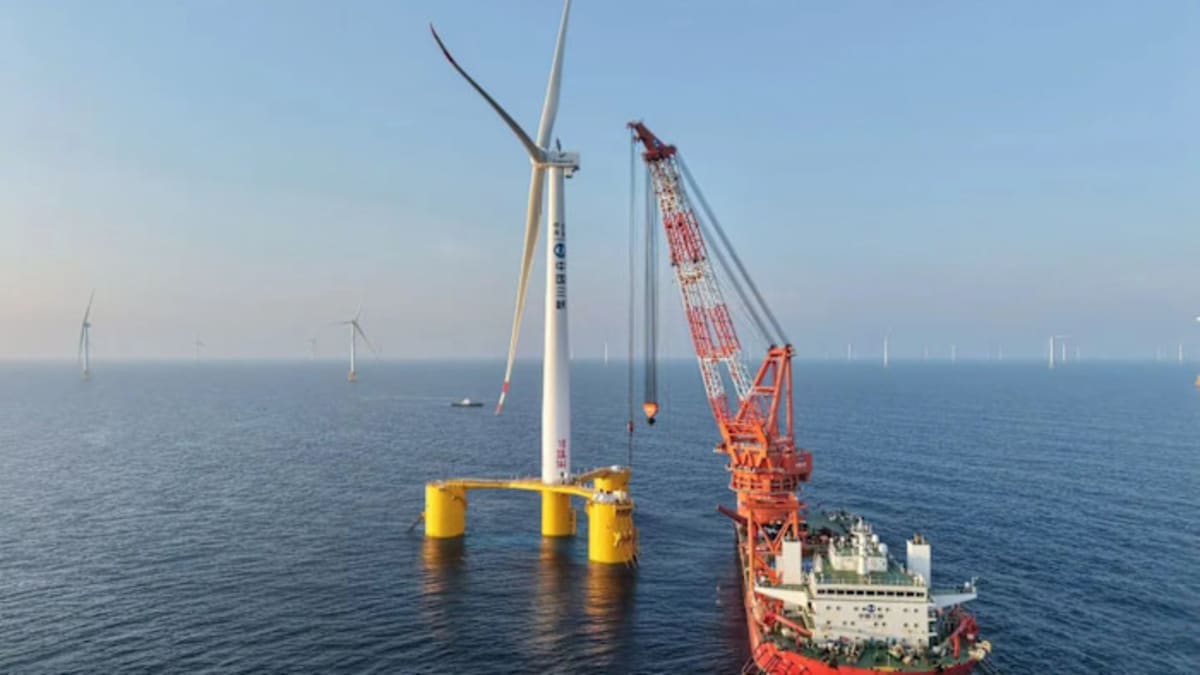
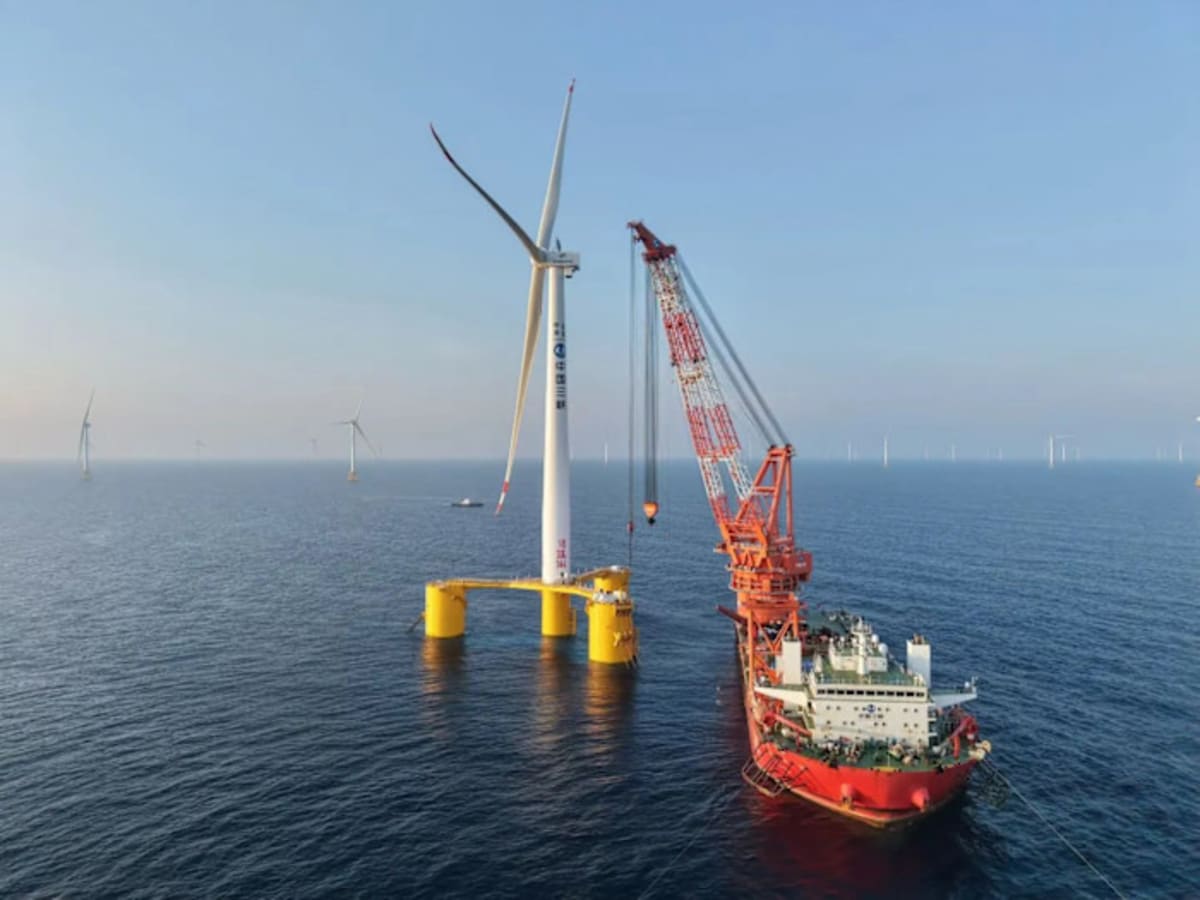
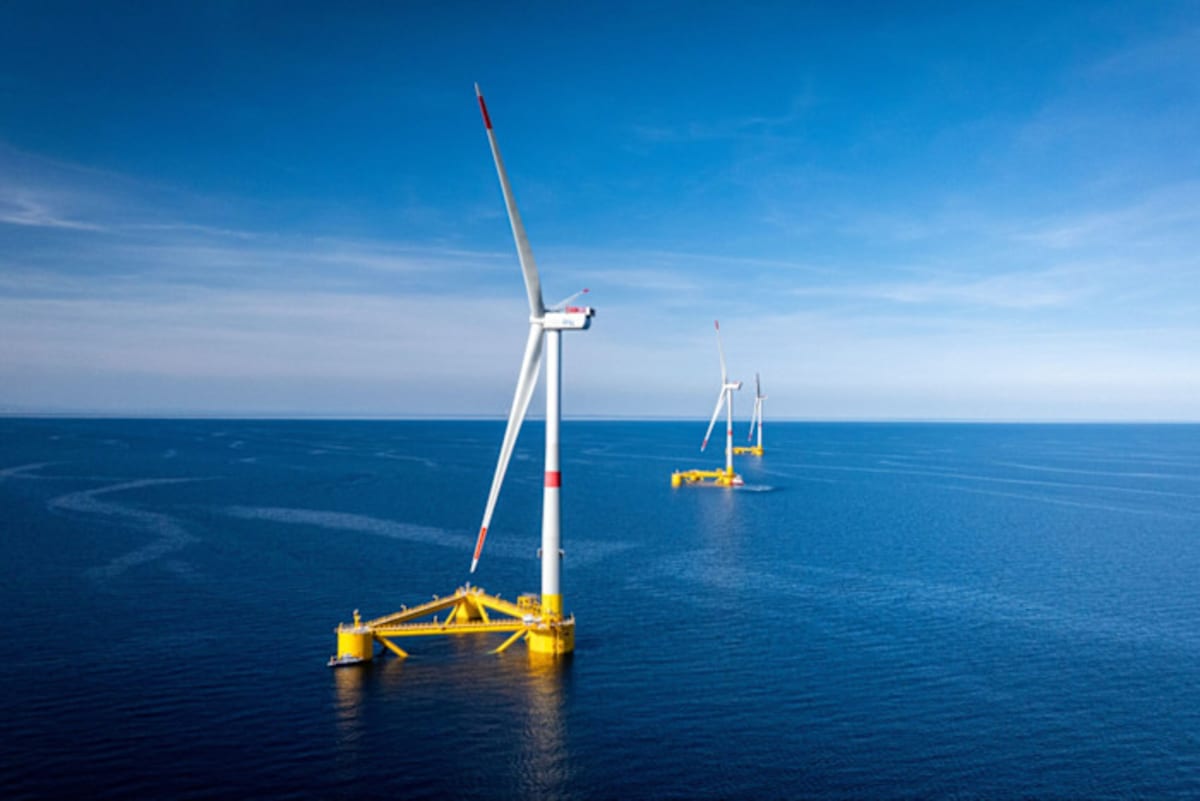
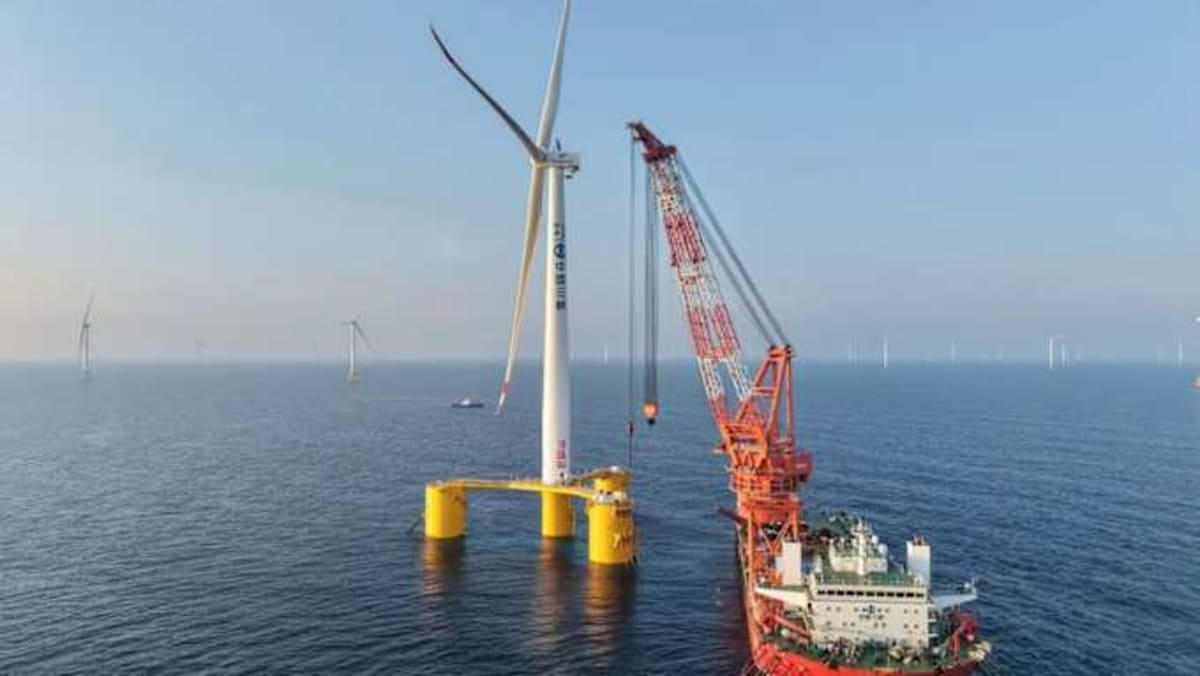
Imagine wind turbines that don't need to be drilled into the ocean floor, floating instead like massive clean energy buoys anchored to the seabed below. That vision is becoming reality as developers deploy floating wind farms in waters too deep for traditional turbines, unlocking clean power potential that could help coastal cities go green.
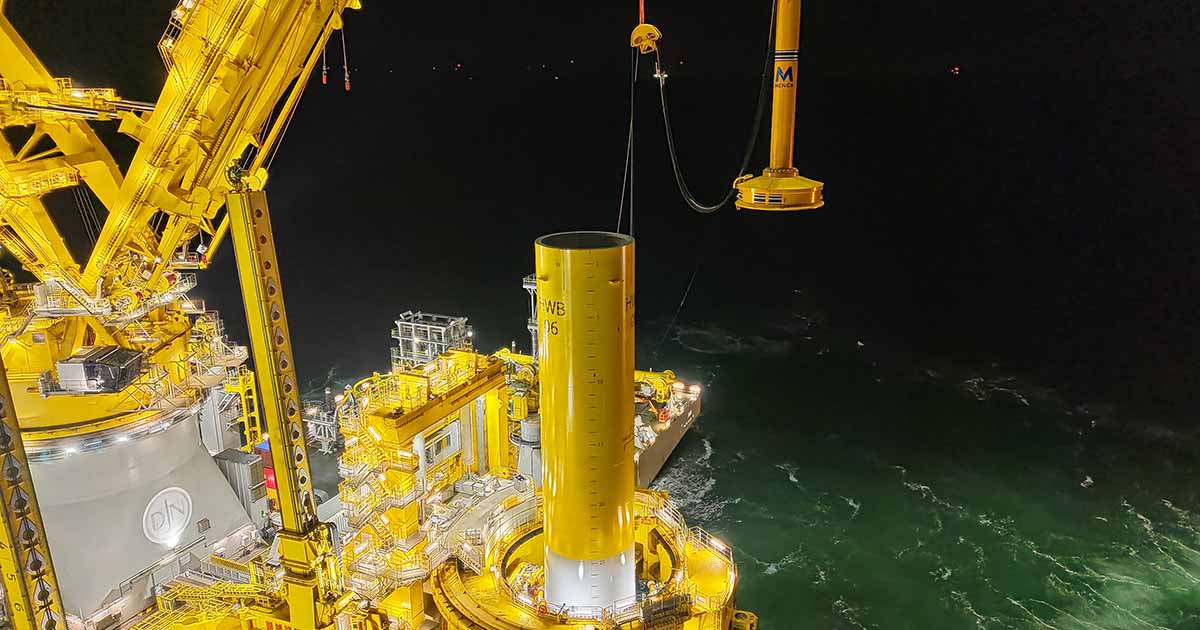
The technology borrows from offshore oil and gas rigs, mounting turbines onto floating platforms secured with mooring lines. These platforms must withstand ocean storms and harsh weather for decades, making engineering a key challenge.
The timing couldn't be better. Power-hungry coastal cities around the world are running out of space for solar panels and land-based wind farms, especially in places where mountains meet the sea and coastlines drop steeply into deep water.
"Floating offshore wind can be built further from shore, which helps mitigate viewshed and avian species concerns," says Abby L Watson of the Groundwire Group. Placing turbines farther out means less visual impact and fewer concerns about bird migration patterns.
China currently leads in construction, while Europe and the UK are pioneering the technology with operating projects and ambitious future plans. The Éoliennes Flottantes du Golfe du Lion wind farm in the Mediterranean Sea is already spinning, and nearly 200 gigawatts of floating capacity has been announced globally.
The biggest hurdle remains cost. Even in China, the cheapest place to build, floating projects run two to four times more expensive than traditional fixed turbines. Long cable runs to shore, challenging ocean installation conditions, and expensive platform construction all add up.
But those challenges haven't stopped major players from investing heavily. Danish offshore energy giant Ørsted, Chinese renewable leader Ming Yang, and even oil and gas companies are backing floating wind projects, betting that costs will drop as the technology matures.
The stakes are enormous. Deeper waters hold the majority of the world's offshore wind resources, areas that fixed turbines simply can't reach. As electricity demand surges worldwide, these large-scale clean energy projects could make the difference in meeting climate goals.
Why This Inspires
This isn't just about building bigger turbines. It's about human ingenuity solving real problems. Cities that thought they'd maxed out their renewable energy potential now have a path forward. Coastlines once considered unsuitable for wind power are becoming clean energy goldmines.
The collaboration across industries tells its own hopeful story. Renewable energy companies, construction giants, utilities, and even former fossil fuel players are working together to make this technology viable and affordable.
What makes floating wind truly exciting is the scale of possibility it unlocks. We're not talking about incremental improvements but accessing entirely new areas that represent the majority of offshore wind potential worldwide.
As costs continue falling and technology improves, these floating giants could become the backbone of coastal clean energy, proving once again that necessity drives innovation and our best solutions often come from thinking differently about old problems.
More Images
Based on reporting by Google News - Wind Energy
This story was written by BrightWire based on verified news reports.
Spread the positivity!
Share this good news with someone who needs it