Florida Hospital Performs First Heart Valve Surgery of Its Kind
An 85-year-old man became the first person in Florida to receive a groundbreaking heart valve procedure that could help thousands avoid risky open-heart surgery. The minimally invasive treatment offers new hope for seniors who would otherwise be out of options.
Leonard Marino knew that without this surgery, celebrating his 86th birthday might never happen.
The 85-year-old from Clearwater suffered from severe aortic regurgitation, a condition where blood leaks back into the heart's pumping chamber. For years, the only solution was open-heart surgery, a risky procedure that doctors rarely recommend for patients in their 80s.
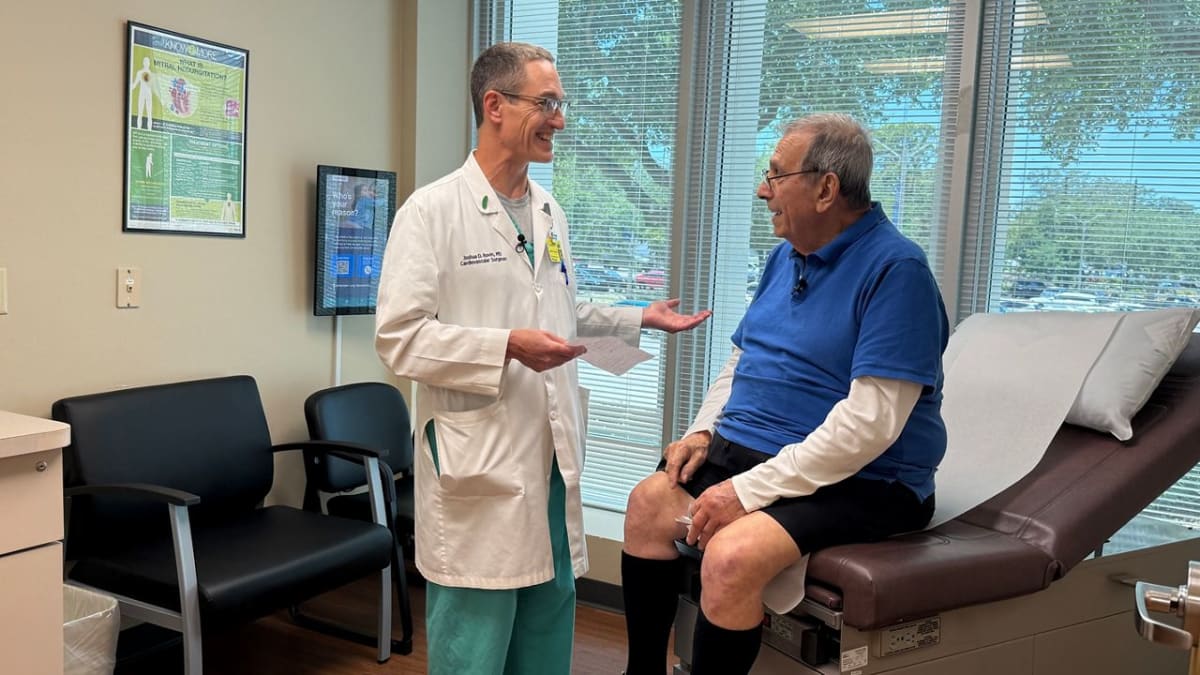
"At 85 years old, Doctor Rovin said uh-uhhh," Marino recalls with a smile.
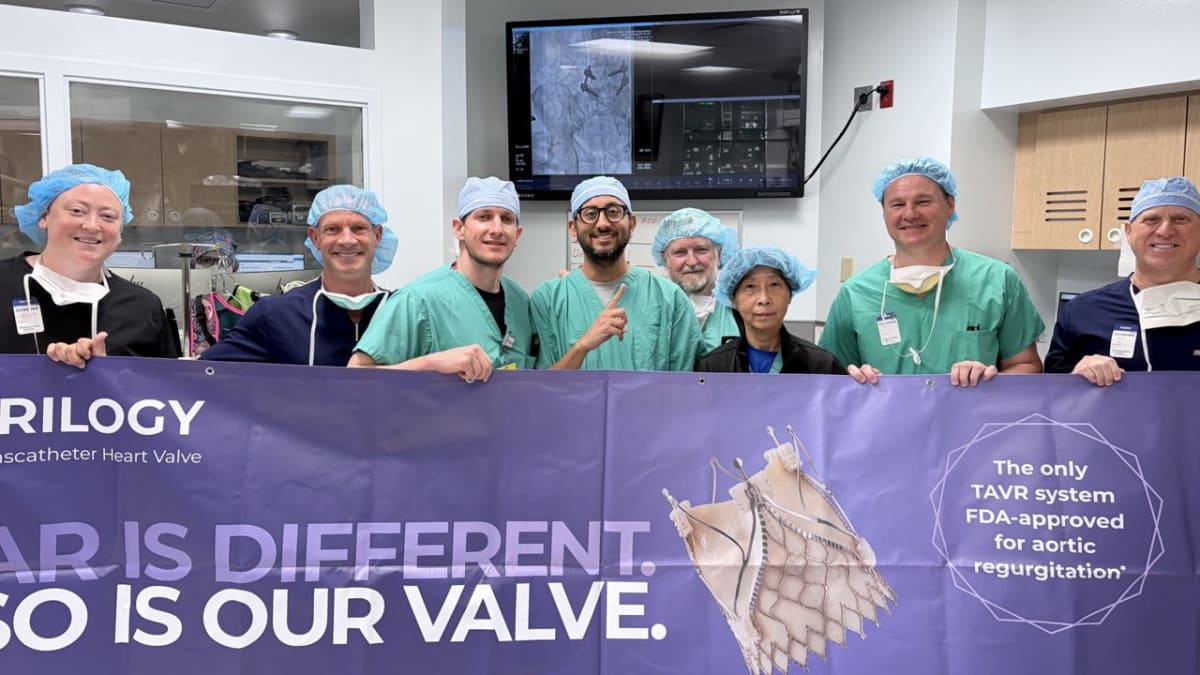
But Dr. Joshua Rovin, director of the Structural Heart & Advanced Valve Center at BayCare's Morton Plant Hospital, had been following a new FDA approval closely. In June 2026, his team performed Florida's first transcatheter aortic valve replacement using the JenaValve device.
The procedure took a different approach entirely. Instead of cracking open Marino's chest, surgeons threaded the new valve through his femoral artery, guiding it directly to his heart.
"I was first, number one. Uno!" Marino beams during his one-month checkup.
The results speak for themselves. Before surgery, ultrasound scans showed bright yellow flows of blood leaking backward through Marino's damaged valve. After the procedure, the leakage completely disappeared.
"I feel great. I feel really great, day and night," Marino tells Rovin, who grins back at his patient's transformation.
Why This Inspires
This isn't just one man's success story. Morton Plant studied this valve technology extensively, and their excellent outcomes helped convince the FDA to approve it for high-risk patients nationwide.
BayCare has now performed several of these procedures, with more scheduled each week. For seniors who were once told nothing could be done, this technology opens a door that was previously closed.
"This is game-changing technology for a subset of patients that can't have open-heart surgery," Rovin explains.
The trend toward minimally invasive heart procedures continues growing stronger. Patients recover faster, return home sooner, and get back to living the lives they love without the trauma of major surgery.
Current studies are already underway testing this approach for moderate and low-risk patients. If those trials succeed, most people with aortic regurgitation could eventually skip open-heart surgery altogether.
"Oh, difference? Are you kidding me? Day and night," says Marino, who now looks forward to many more birthdays ahead.
Thousands of seniors facing impossible choices about their hearts just gained a new option for tomorrow.
More Images


Based on reporting by Google News - New Treatment
This story was written by BrightWire based on verified news reports.
Spread the positivity!
Share this good news with someone who needs it