Florida Logs Record 42 Leatherback Turtle Nests This Year
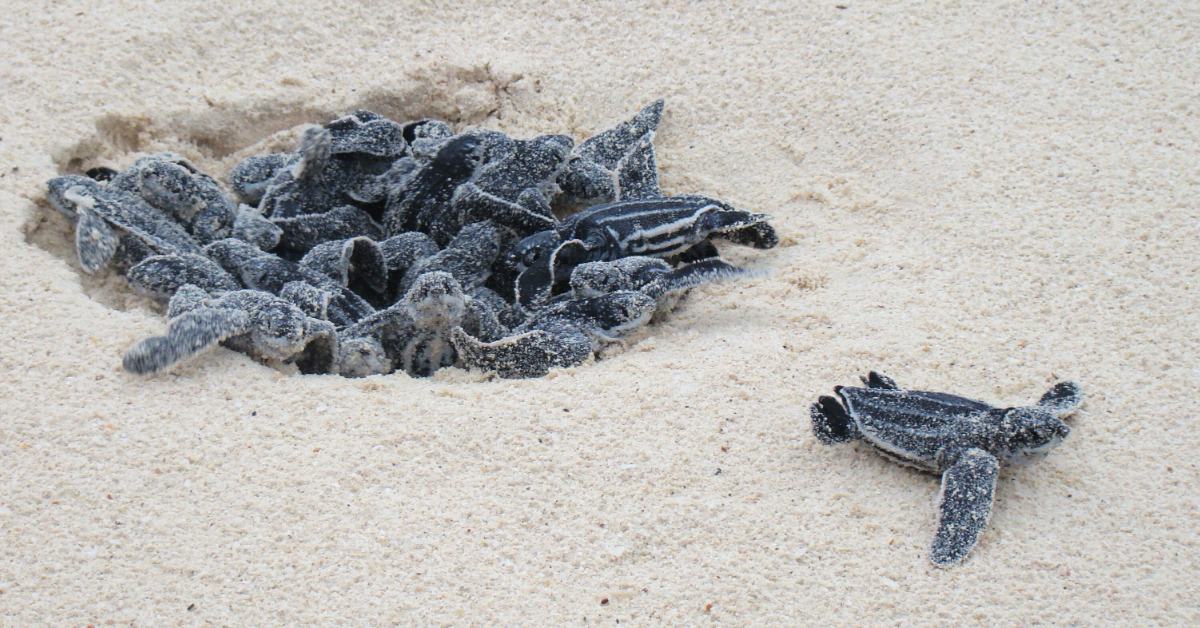
Endangered leatherback sea turtles just had their best nesting season ever in Boca Raton, with 42 nests documented—more than double the typical year. Scientists say thousands of hatchlings could soon make their way to the ocean, offering hope for a species that's been around since dinosaur times.
Beaches in Boca Raton, Florida are buzzing with excitement after researchers counted 42 leatherback sea turtle nests this season—the highest number ever recorded in the area. For a species facing extinction, this is the kind of news conservationists dream about.
The count from Gumbo Limbo Nature Center and Florida Atlantic University represents more than double the typical annual average. Dr. Jeanette Wyneken, who directs the FAU Marine Science Laboratory, calls the numbers huge for a species desperately in need of good news.
Leatherback sea turtles are living fossils, existing in their current form since the age of dinosaurs. These gentle giants can weigh up to 1,500 pounds and swim over 10,000 miles a year between feeding and nesting grounds.
What makes them unique among sea turtles is their lack of a hard shell. Instead, they have tough, rubbery skin that earned them their name.
But leatherbacks face serious threats from fishing nets, hunting, and egg collection. Pacific populations are particularly at risk of disappearing forever.
That's what makes Palm Beach County so critical for their survival. The area accounts for about 50% of all leatherback nests in Florida, making it a vital sanctuary for the species.
Each nest holds nearly 100 eggs, but the journey from sand to adulthood is brutal. Scientists estimate only 1 in 1,000 hatchlings survives to become a breeding adult.
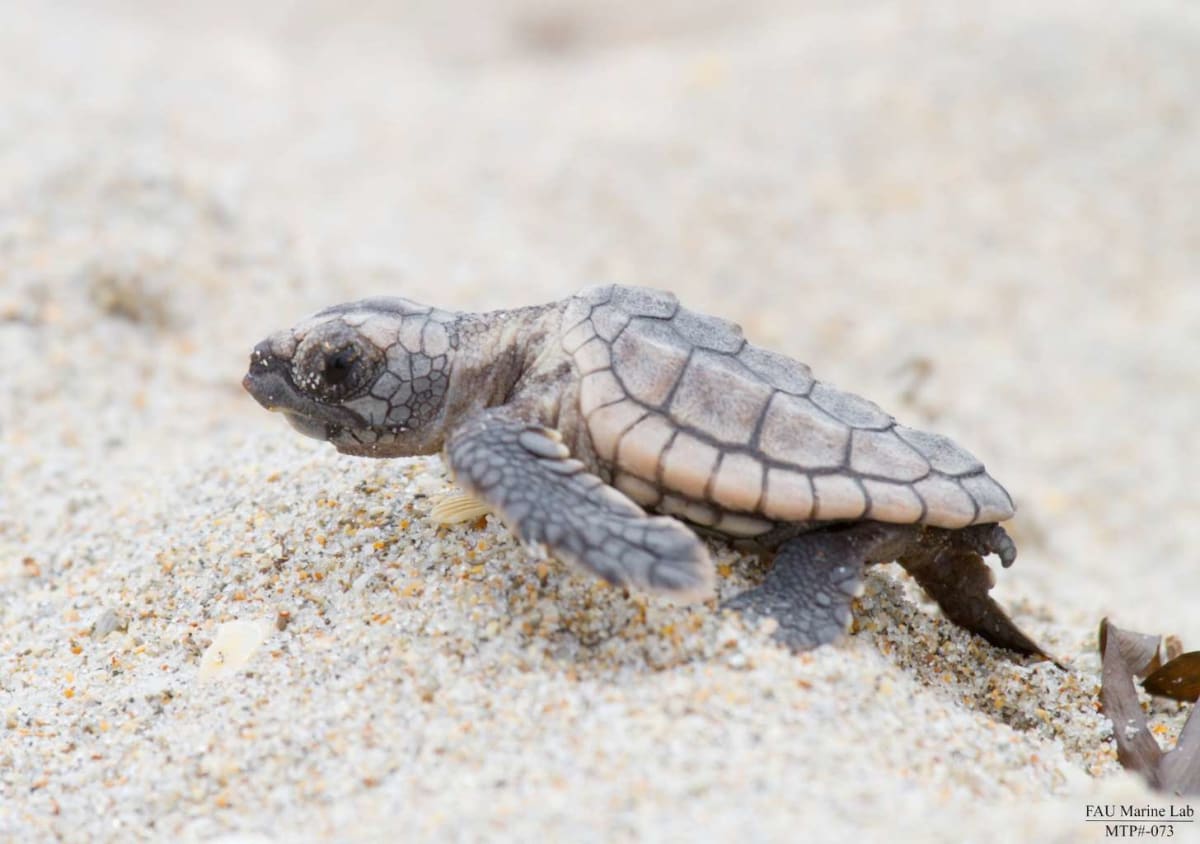
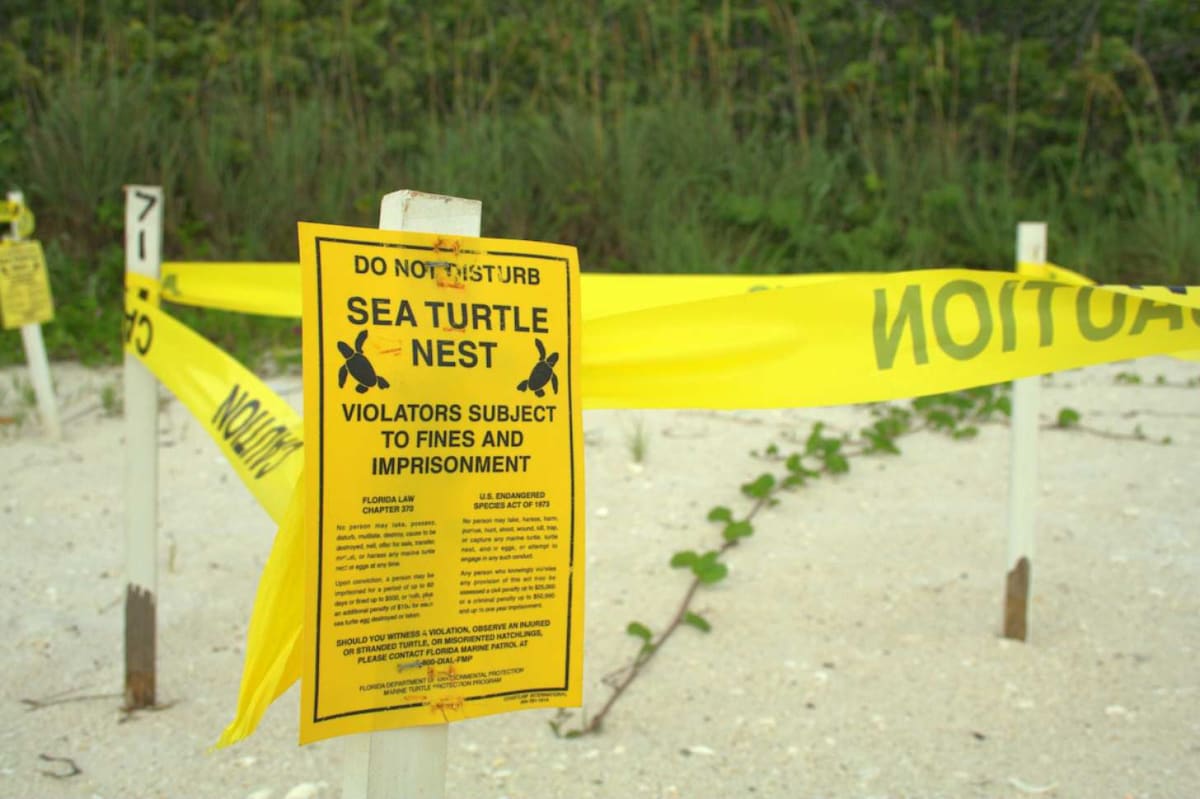
Students and researchers at FAU Marine Lab work throughout nesting season to give these babies their best shot. They mark nests with protective signage, create safe boundaries on beaches, and study environmental changes that affect survival rates.
The Bright Side
Emily Turla, a Ph.D. student at FAU Marine Lab, points out that many nests were laid earlier in the season when temperatures weren't dangerously high. Cooler sand means better hatching success, potentially translating to thousands more baby turtles reaching the ocean this year.
While scientists caution it's too early to declare a population comeback, the record numbers offer something precious: hope that conservation efforts are making a difference for a species that's survived for millions of years.
More Images

Based on reporting by Good Good Good
This story was written by BrightWire based on verified news reports.
Spread the positivity!
Share this good news with someone who needs it