Florida Springs Get Major Pollution Cleanup After Lawsuit
Nine of Florida's iconic freshwater springs will receive new cleanup plans following a legal settlement that requires the state to crack down on agricultural pollution and failing septic systems. For the first time, officials must verify that pollution controls actually work.
Florida's world-famous springs just got a fighting chance against the pollution that's been choking them for years.
A legal settlement announced this month will force the state to create stronger cleanup plans for nine freshwater springs, including seven along the rural Suwannee River and two near Orlando. The agreement between environmental groups and Florida's Department of Environmental Protection targets the biggest culprits behind toxic algae blooms: runoff from farms and aging septic systems.
The settlement requires the state to develop Basin Management Action Plans for each spring. These plans are Florida's only regulatory tool for turning polluted waters clean again.
What makes this different from past efforts? For the first time, state officials must actually verify that agricultural pollution controls are working, not just assume farmers are following best practices. The plans must also include more cleanup projects, expand water monitoring, and increase enforcement.
Near Orlando's Wekiwa and Rock springs, where septic systems cause 52 percent of the pollution, the state must ban new conventional septic systems and require upgrades to existing ones. These measures address the nitrogen pollution feeding harmful algae blooms that have fouled waterways across Florida.
The agreement emerged after years of legal battles. A court invalidated several spring cleanup plans in 2023, finding they didn't meet legal requirements. When the state adopted new plans in 2025, the Florida Springs Council and Friends of the Wekiva River challenged them again, arguing they lacked sufficient cleanup projects and monitoring.
The Ripple Effect
Ryan Smart, executive director of the Florida Springs Council, calls the enforcement requirements especially crucial for springs near agricultural lands. "BMAPs are the only regulatory strategy we have in Florida to take a polluted body of water and make it clean again," he said.
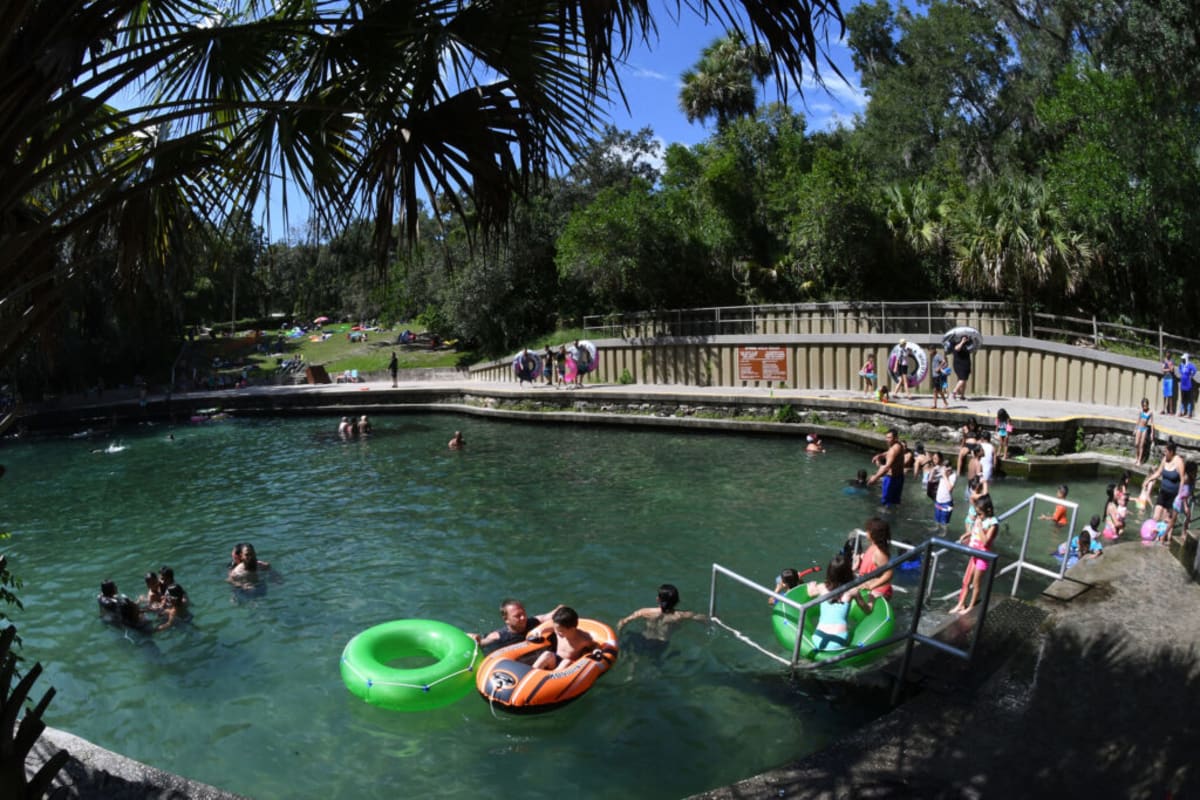
The settlement means hundreds of families who treat these springs as their beaches will see cleaner, healthier waters. Florida hosts one of the world's largest concentrations of freshwater springs, making their protection vital not just for recreation but for the entire ecosystem.
Both sides praised the agreement for allowing cleanup to proceed without more litigation delays. The Department of Environmental Protection said the plans "can now go into effect, affording protections for these important waters."
Smart summed it up simply: "I do think it's a big victory for the springs."
Based on reporting by Inside Climate News
This story was written by BrightWire based on verified news reports.
Spread the positivity!
Share this good news with someone who needs it