Florida Study Makes At-Home Cancer Screening Easier
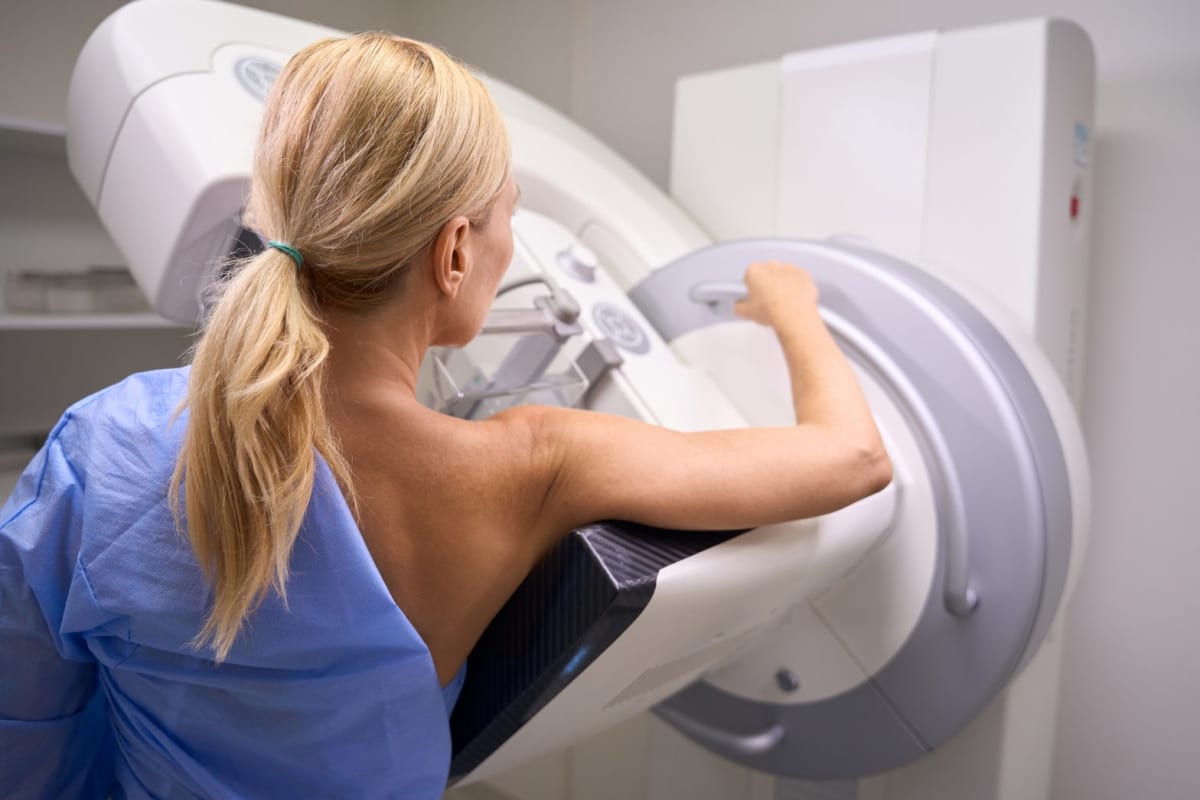
Researchers in Florida are improving instructions for at-home cervical cancer screening kits, making them simpler and more accessible for women who need them most. The breakthrough could save thousands of lives by boosting screening rates among women who face the highest risks.
Women in Florida now have a clearer path to lifesaving cervical cancer screening, thanks to researchers who listened to what patients actually needed.
Scientists at the University of Florida Health Cancer Institute worked directly with women at high risk of cervical cancer to improve education materials for at-home HPV testing kits. The timing couldn't be better. The FDA approved America's first at-home cervical cancer screening tool in May 2025, and insurance will cover it starting in 2027.
The study focused on women living with chronic conditions in high-poverty areas of North Central Florida, where cervical cancer rates run higher than most of the state. Florida already ranks third in the nation for cervical cancer cases. These women face extra barriers to getting screened, making them especially vulnerable to a disease that's almost entirely preventable with regular testing.
Lead researcher Dr. Rahma Mkuu brought together focus groups of 13 women to find out exactly what would make at-home testing easier. They identified three simple but powerful improvements: using plain language instead of medical jargon, adding visual instructions that anyone can follow, and offering materials in more languages.
The changes matter because screening catches cervical cancer abnormalities three to seven years before they turn into cancer. Nearly 99% of cervical cancers come from HPV, the human papillomavirus. Catching it early means monitoring and treatment can prevent cancer entirely.
At-home kits solve a real problem for many women. Traditional Pap smears can be uncomfortable or distressing, and for women in rural North Central Florida, getting to a clinic isn't always easy. Self-collection at home offers privacy, convenience, and eliminates travel barriers.
The Ripple Effect
When women feel confident about collecting their own samples, screening rates go up. Higher screening rates mean more early detection. More early detection means fewer women developing cervical cancer and more lives saved across entire communities.
The improved materials will especially help underserved populations who've historically had lower screening rates. By making instructions clearer and more accessible, the research team is tackling health disparities at their root.
Women who might have skipped screening because they felt unsure about the process now have straightforward guidance designed specifically with their needs in mind.
This simple act of listening to patients and improving instructions could transform cervical cancer prevention for thousands of Florida women and set a model for the rest of the country.
More Images

Based on reporting by Medical Xpress
This story was written by BrightWire based on verified news reports.
Spread the positivity!
Share this good news with someone who needs it