Florida's Space Coast Roars Back After 15-Year Decline
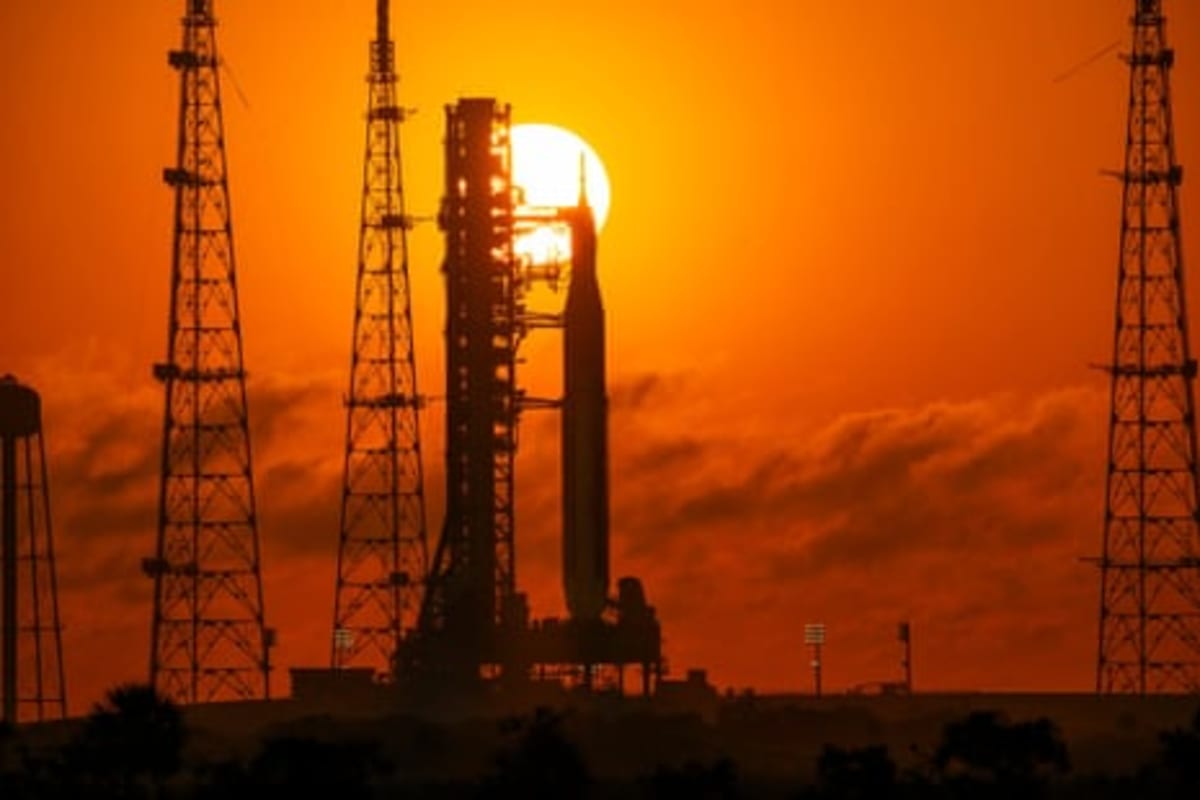
After years as a ghost town following the 2011 shuttle program shutdown, Florida's Space Coast is buzzing with life again as NASA prepares to send humans back to the moon. The Artemis II launch represents both a giant leap for space exploration and the culmination of a stunning economic comeback.
Florida's Space Coast hasn't felt this alive in nearly 60 years, and for good reason: NASA is about to send humans to the moon for the first time since 1972.
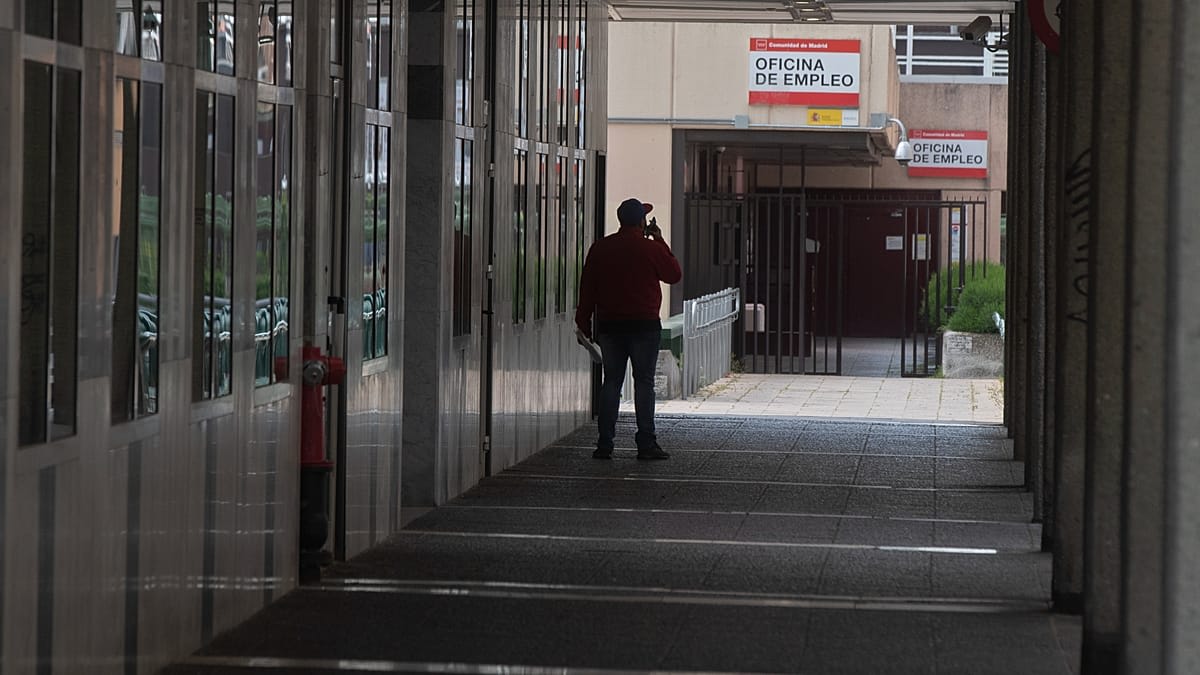
When the space shuttle program ended in 2011, the region surrounding Kennedy Space Center fell into a dark chapter. Thousands lost their jobs, property values crashed, and once-thriving communities became ghost towns. NASA had to rely on Russian spacecraft just to reach the International Space Station.
But today, driving through Cape Canaveral, Titusville, and Cocoa Beach tells a completely different story. New apartment buildings, schools, and shopping centers dot the landscape where emptiness once reigned. Hotels display "Go Artemis II!" messages on their marquees, and beaches overflow with excited families wearing NASA shirts.
The numbers tell the revival story clearly. Space industry activity pumped $6 billion into Florida's economy last year alone. The Artemis program has created 13,000 new jobs and generates $3 billion in annual spending.
SpaceX and Blue Origin have built massive facilities at the Cape, employing thousands to develop the lunar landers that will carry astronauts to the moon's surface. These private partners transformed what was once empty land into bustling aerospace hubs.
Don Thomas, a retired NASA astronaut who flew four shuttle missions, watches the transformation during his regular drives to Kennedy Space Center. "It used to be no man's land," he said of the route from Orlando. "Now it's heavy traffic in both directions. People are moving here, living here. It's almost like a renaissance."
The Ripple Effect
The excitement extends far beyond the launchpad. Hundreds of thousands of spectators are expected to pack beaches and causeways when Artemis II lifts off, possibly doubling the 200,000 who watched the first uncrewed test flight in 2022.
Local businesses are feeling the boost too. Fast food restaurants report selling out of moon burgers, and hotels are completely booked during launch week. Titusville, once known as "Rocket City USA" in the 1960s, now brands itself as the "gateway to nature and space."
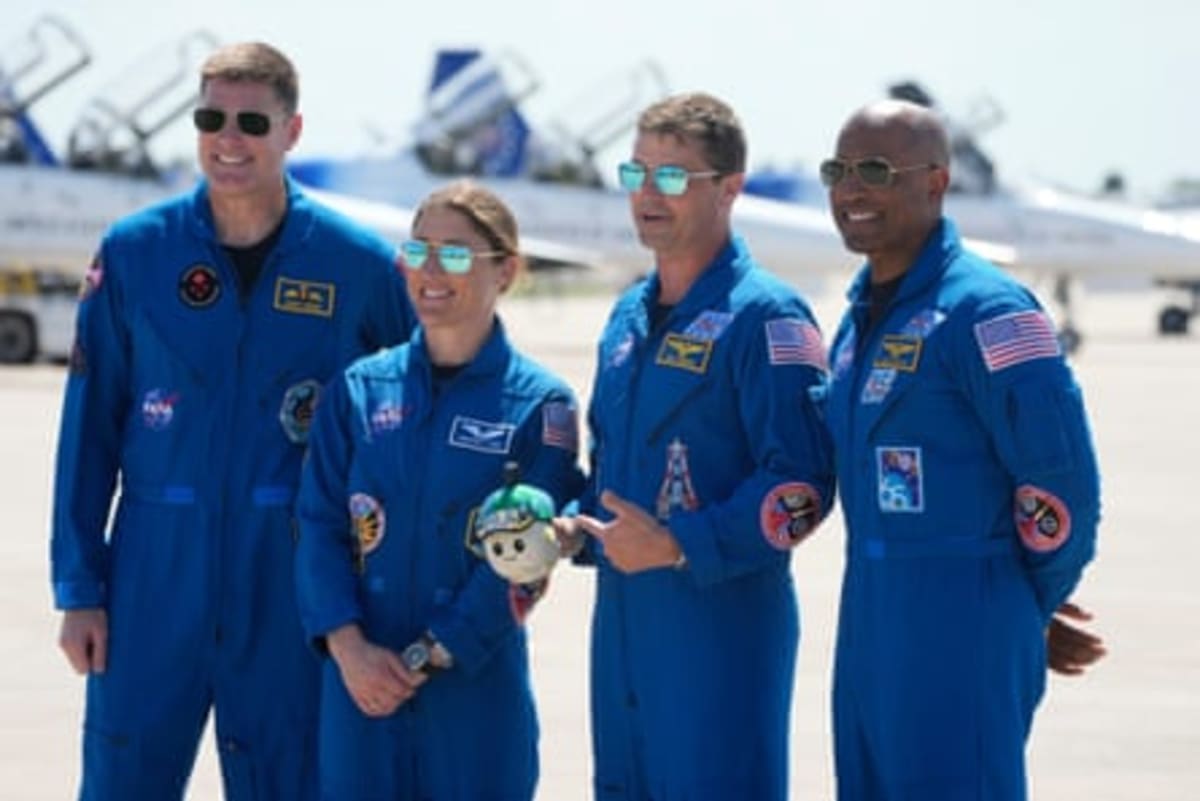
The four Artemis II astronauts (three Americans and one Canadian) represent more than just a return to lunar exploration. They symbolize the confirmation that America's space program has not only survived its darkest period but emerged stronger and more innovative.
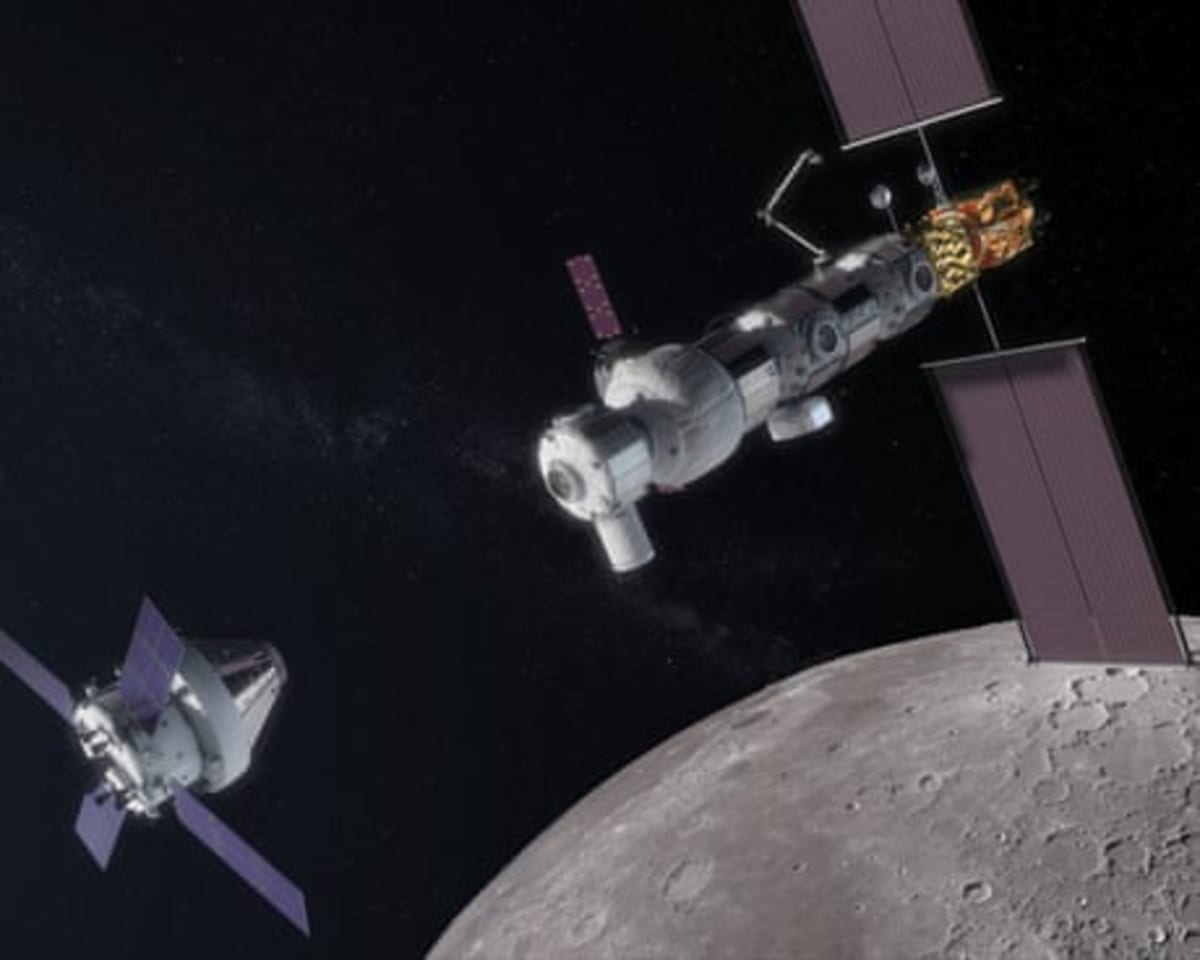
NASA's newly announced plans for a permanent lunar base signal even bigger things ahead. The moon will serve as a launching point for future Mars missions, keeping the Space Coast at humanity's frontier for decades to come.
After 15 years of struggle and rebuilding, Florida's space communities are finally back where they belong: at the doorstep of the future.
More Images

Based on reporting by Google News - Science
This story was written by BrightWire based on verified news reports.
Spread the positivity!
Share this good news with someone who needs it