NASA Rover Captures Stunning Selfie Beyond Mars Crater
NASA's Perseverance rover just snapped its sixth selfie from the most remote location it's ever explored on Mars. The image reveals ancient rocks that could unlock secrets about the Red Planet's earliest days.
NASA's Perseverance rover is sending back selfies from farther than ever before, and the view is breathtaking.
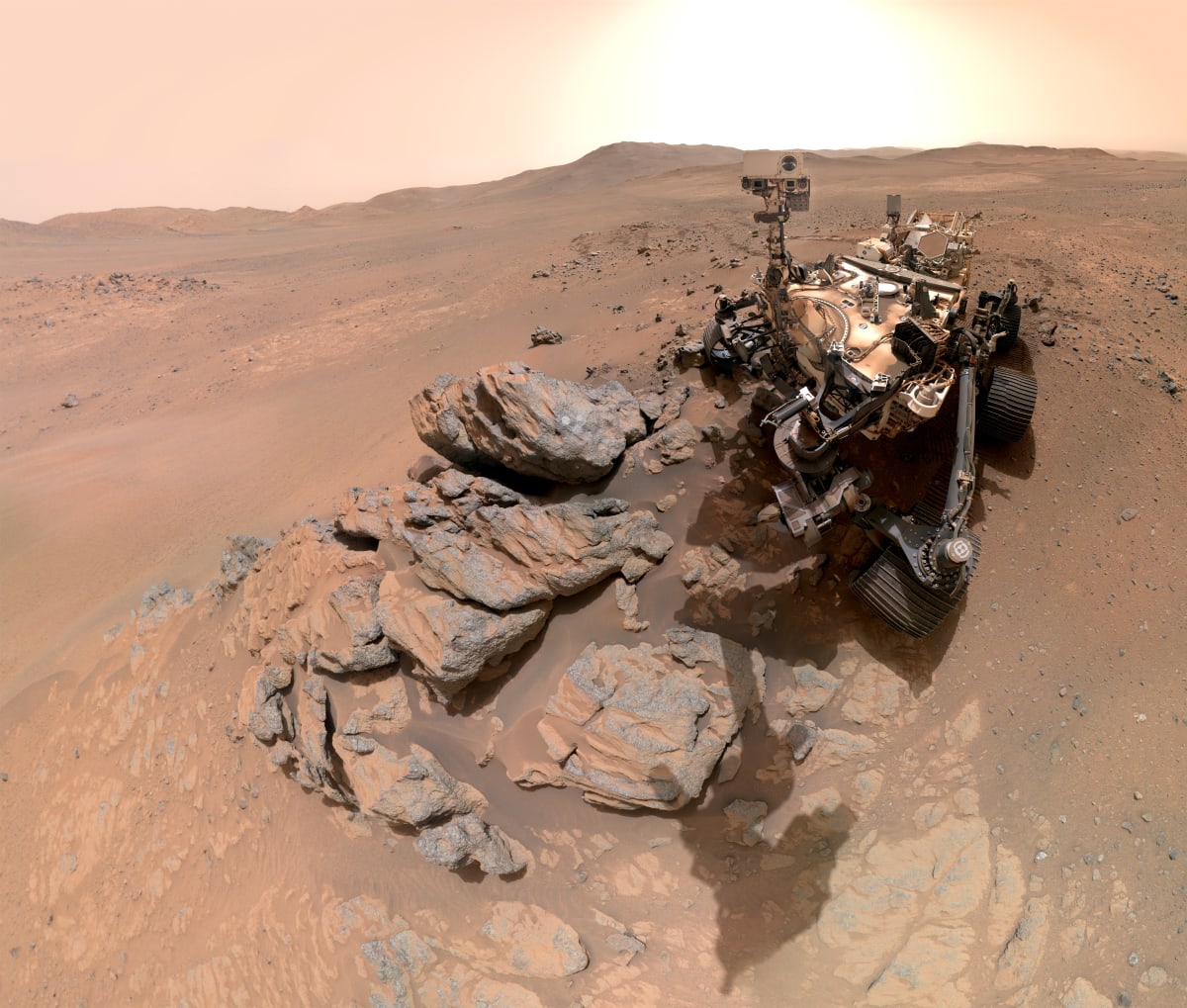
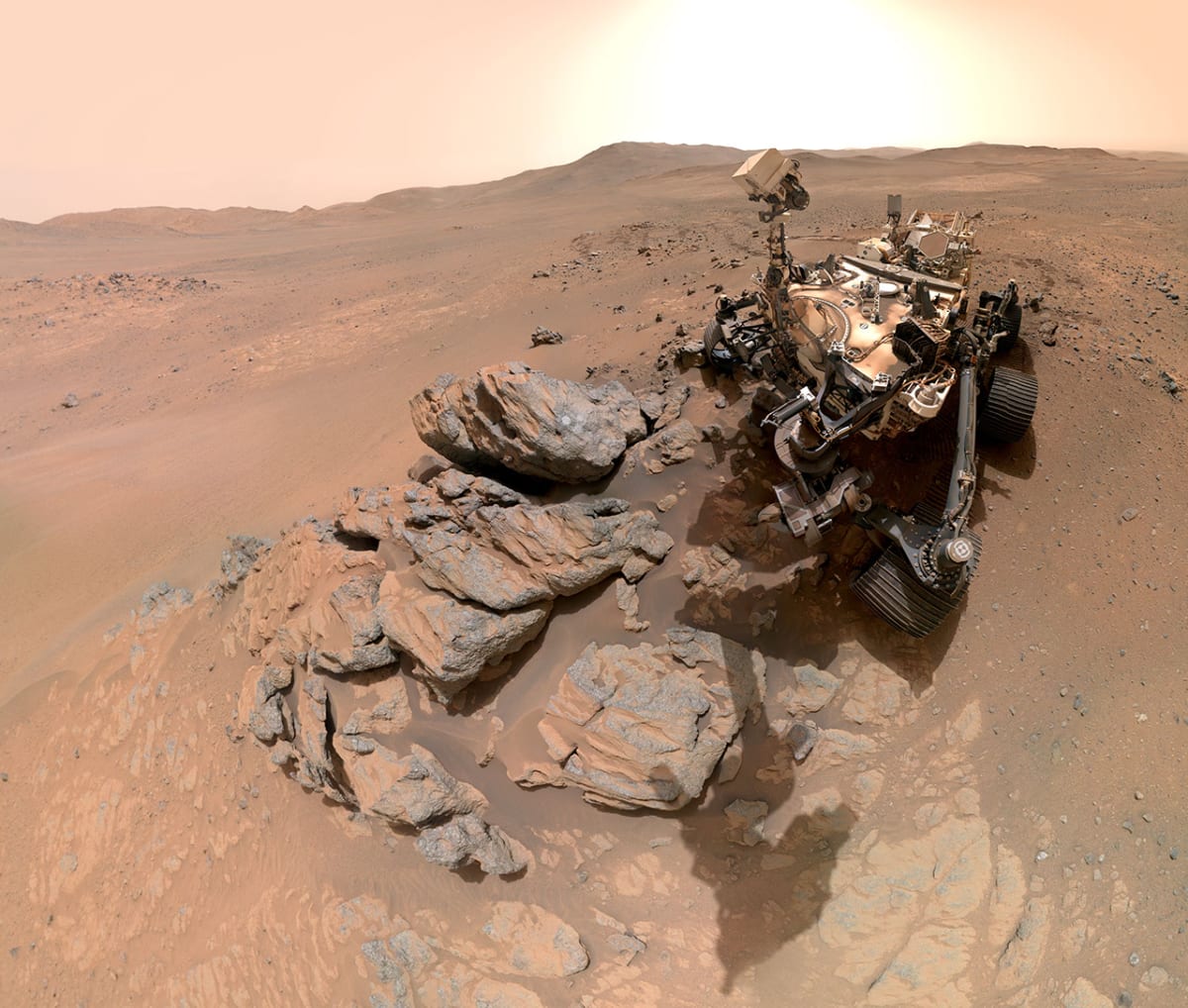
On March 11, 2026, the car-sized rover positioned itself at a spot nicknamed "Lac de Charmes" and captured a stunning self-portrait against the western rim of Jezero Crater. The robot combined 61 individual snapshots over one hour to create the composite image, showing itself examining a rocky outcrop it had just abraded to peek inside.
This marks Perseverance's deepest westward journey since landing on Mars over five years ago. The rover has now traveled nearly marathon distance across the Red Planet's surface, pushing into terrain the science team playfully calls the "Wild West."
The rocks here tell a story billions of years older than anything Perseverance has studied before. These ancient igneous formations likely cooled from molten magma deep underground before Jezero Crater even existed, roughly 4 billion years ago.
Scientists are particularly excited about what appears to be a volcanic dike in the area. This vertical wall of hardened magma stood firm while softer rock around it eroded away over billions of years, like a geological monument to Mars' fiery past.
Another panorama captured in early April reveals massive boulders called megabreccia, some the size of skyscrapers. These giant fragments were likely hurled across the Martian surface during a catastrophic meteorite impact 3.9 billion years ago.
The Bright Side
After five years of exploring river deltas and sedimentary rocks, Perseverance is finally investigating the planet's deepest, oldest crust. These rocks could answer fundamental questions about whether Mars once had a magma ocean and how the planet evolved in its earliest days.
The findings apply far beyond this one location. Understanding these ancient formations helps scientists piece together the geological history of the entire planet, offering clues about how rocky worlds like Earth and Mars develop over time.
Ken Farley, Perseverance's deputy project scientist, calls this "a whole new ballgame" for the mission. The rover is studying some of the most scientifically compelling terrain it has encountered, with rock types and textures unlike anything in the crater it originally explored.
The mission continues to exceed expectations as it enters its fifth science campaign on the Red Planet's northern rim.
More Images



Based on reporting by NASA
This story was written by BrightWire based on verified news reports.
Spread the positivity!
Share this good news with someone who needs it

%2Fhttps%3A%2F%2Ftf-cmsv2-smithsonianmag-media.s3.amazonaws.com%2Ffiler_public%2F2b%2Ff8%2F2bf8fcd4-1756-46ef-927b-394ec4814573%2F1851_07_28_berkowski.jpg)