Florida's Wildlife Conservation Powers $58B Economy
Florida's 135 threatened and endangered species aren't just surviving—they're driving a massive economic boost while keeping ecosystems healthy. From pest-eating bats saving billions in crop damage to sea turtles maintaining coastal resilience, these animals prove conservation pays off big time.
Florida's endangered species are working overtime to protect human health, boost the economy, and keep ecosystems thriving across the Sunshine State.
The numbers tell an incredible story. Florida's outdoor recreation generates $58 billion annually, fueled largely by wildlife watching and nature tourism centered around the state's 135 threatened and endangered species.
These aren't just cute animals to photograph. They're ecological powerhouses doing serious work behind the scenes.
Take bats, for example. Often overlooked or feared, these flying mammals contribute at least $3.7 billion yearly to agricultural pest control nationwide by devouring beetles, stinkbugs, moths, and mosquitoes that damage corn, soybeans, and cotton crops.
The Florida bonneted bat, one of the state's rarest species, joins other bats and insects in pollinating one-third of America's food supply. Without them, growing food becomes dramatically more difficult and expensive for farmers and consumers alike.
Sea turtles maintain healthy coastal waters by grazing seagrass and controlling sponge and coral reef overgrowth. All five species that call Florida home create resilient coastlines and healthy habitats for themselves and countless other marine creatures.
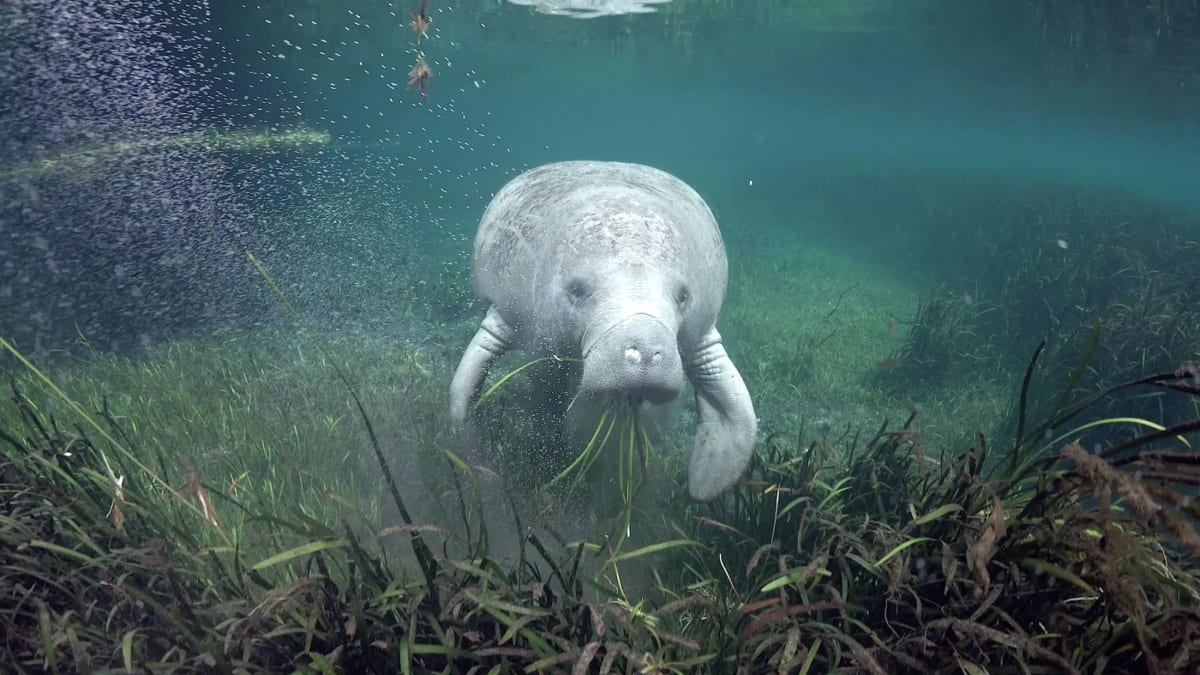
Florida manatees perform similar ecosystem services through seagrass grazing and plant material recycling. They also serve as early warning systems for waterway problems, alerting scientists and communities when ecosystems fall out of balance and hazards emerge.
The Ripple Effect
The Endangered Species Act, supported by 84% of Americans, has transformed conservation success stories into everyday reality. The American alligator stands as Florida's poster child for recovery—once teetering on extinction's edge, these reptiles have fully rebounded to become a defining symbol of Florida's wetlands.
When communities preserve natural landscapes and coastlines by protecting the wildlife living there, everyone benefits. Stronger flood protection, cleaner air and drinking water, improved crop pollination, and sustained medical research opportunities all flow from healthy ecosystems.
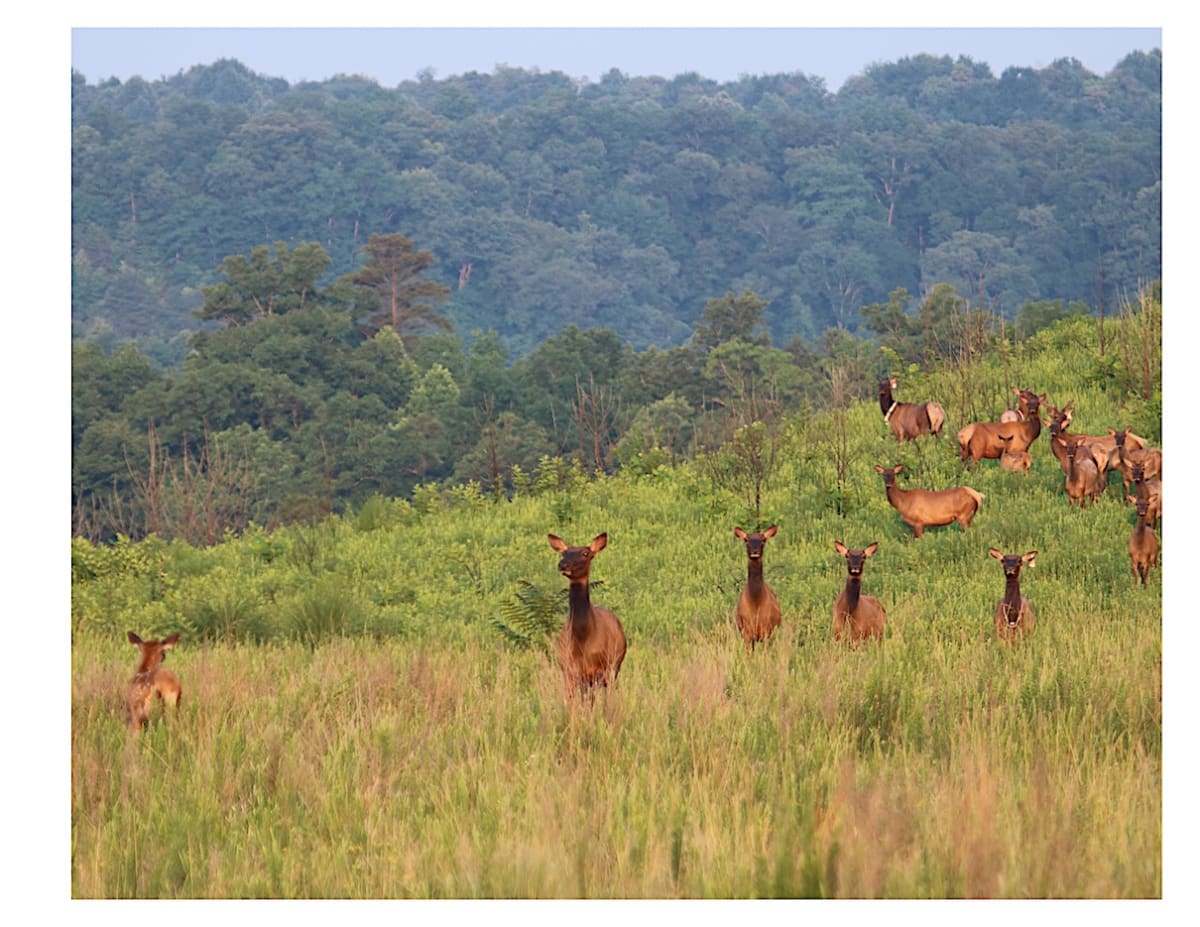
These endangered species strengthen human health and economic well-being in ways most Floridians never see. From upland pine forests to glorious coasts, the state's iconic wildlife—Florida panthers, Key deer, scrub jays, and manatees—represent what makes the Sunshine State genuinely special.
Conservation isn't just about saving cute animals. It's about protecting the natural infrastructure that keeps Florida's economy humming, its waters clean, and its communities resilient against environmental challenges.
The wildlife Floridians share their coastlines, wetlands, and forests with remain vital partners in everyday life, quietly working to maintain the balance that makes the state thrive.
More Images



Based on reporting by Google: species saved endangered
This story was written by BrightWire based on verified news reports.
Spread the positivity!
Share this good news with someone who needs it
%2Fhttps%3A%2F%2Ftf-cmsv2-smithsonianmag-media.s3.amazonaws.com%2Faccounts%2Fheadshot%2FSarahKuta.png)