Flower Species Evolves Fast Enough to Beat Megadrought
Scientists watched a wildflower evolve in real time to survive the worst drought in 10,000 years. The discovery shows that some species can adapt fast enough to outpace climate change.
A tiny scarlet flower just proved that evolution can happen fast enough to beat climate change at its own game.
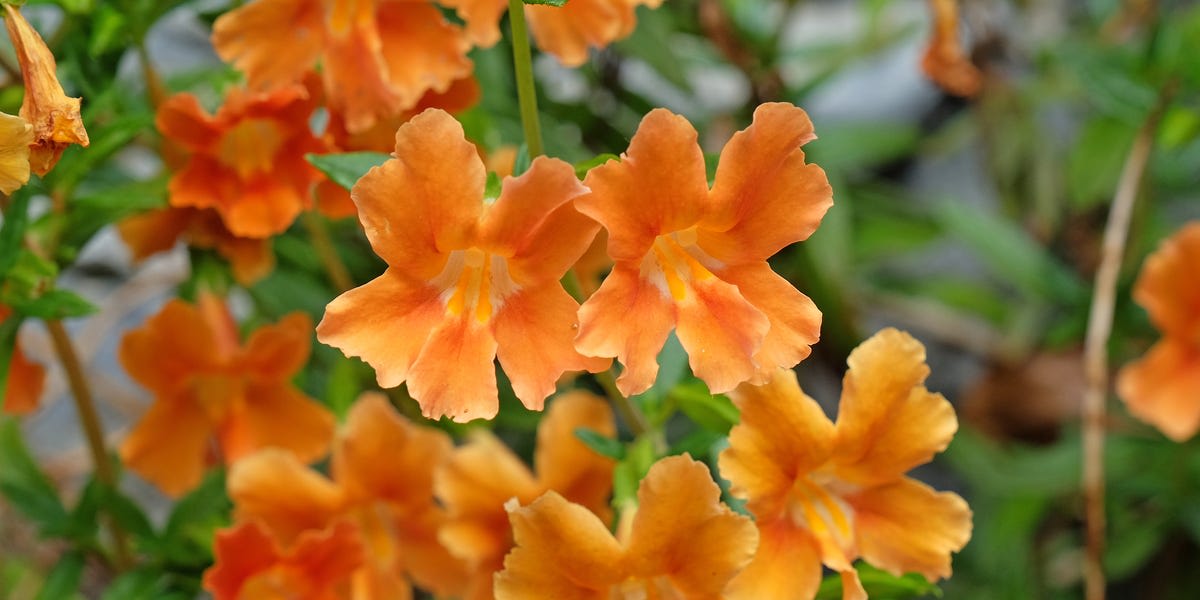
Scientists from the University of British Columbia and Cornell University discovered something remarkable while studying monkeyflowers across western North America. As a decade-long megadrought battered the region starting in 2012, certain populations didn't just survive. They evolved.
The team had started monitoring 55 monkeyflower populations in 2010, just two years before the drought hit. This lucky timing let them watch evolution happen in real time across eight years. They collected leaf and seed samples and analyzed the genetic changes as some populations died off while others thrived.
The results stunned them. Three populations evolved so quickly that scientists gave it a special name: evolutionary rescue.
"Essentially what we found is that the populations that recovered are also the populations that evolved the fastest," said lead author Daniel Anstett. The surviving flowers developed genetic markers perfectly suited for hot, dry conditions. They learned to retain more water in their leaves during photosynthesis while still capturing enough carbon dioxide to survive.
This discovery matters because scientists have worried that climate change happens too fast for evolution to keep up. The planet is warming at least 10 times faster than it did after previous ice ages. Most species need hundreds of thousands or millions of years to adapt to major climate shifts.
The monkeyflowers did it in less than a decade.
The Bright Side
This research could change how we predict which plants will survive climate change. Current models might actually overestimate how many plant species we'll lose because they don't account for evolutionary rescue.
The findings offer particular hope for short-lived plants that reproduce quickly. Each new generation gets a chance to pass along helpful genetic adaptations. That's how the monkeyflowers pulled off their survival trick.
The scientists are careful to note that evolutionary rescue won't save every species. Long-lived plants like Douglas firs and red cedars don't reproduce fast enough to evolve their way out of trouble. And not every species has the right genetic toolkit to adapt.
Senior author Amy Angert put it perfectly: "Our research shows that for monkeyflower, and likely similar wild plants, they can indeed keep pace and 'rescue' themselves from extreme climates by evolving."
The discovery reminds us that nature is more resilient than we sometimes think, and gives scientists new hope that some species have evolutionary superpowers we haven't discovered yet.
More Images




Based on reporting by Google News - Species Saved
This story was written by BrightWire based on verified news reports.
Spread the positivity!
Share this good news with someone who needs it