Folk Singer Teejan Bai Defied Tradition, Won 3 Padmas
Married at 12 and shunned for performing, Teejan Bai became the first woman to take Indian folk art Pandavani to global stages. Her legacy lives on through 200 students and three of India's highest honors.
When a 13-year-old girl stood up to perform Pandavani in Chhattisgarh, the crowd didn't cheer. They criticized her for daring to take the stage as a woman.
Teejan Bai didn't sit back down.
Born into a Pardhi tribal family in Durg, she grew up listening to her grandfather narrate stories from the Mahabharata. Those evenings lit a fire in her that no amount of social pressure could extinguish.
Married at 12 and later abandoned for pursuing her art, Teejan Bai faced a choice. She could accept the silence expected of women, or she could sing louder.
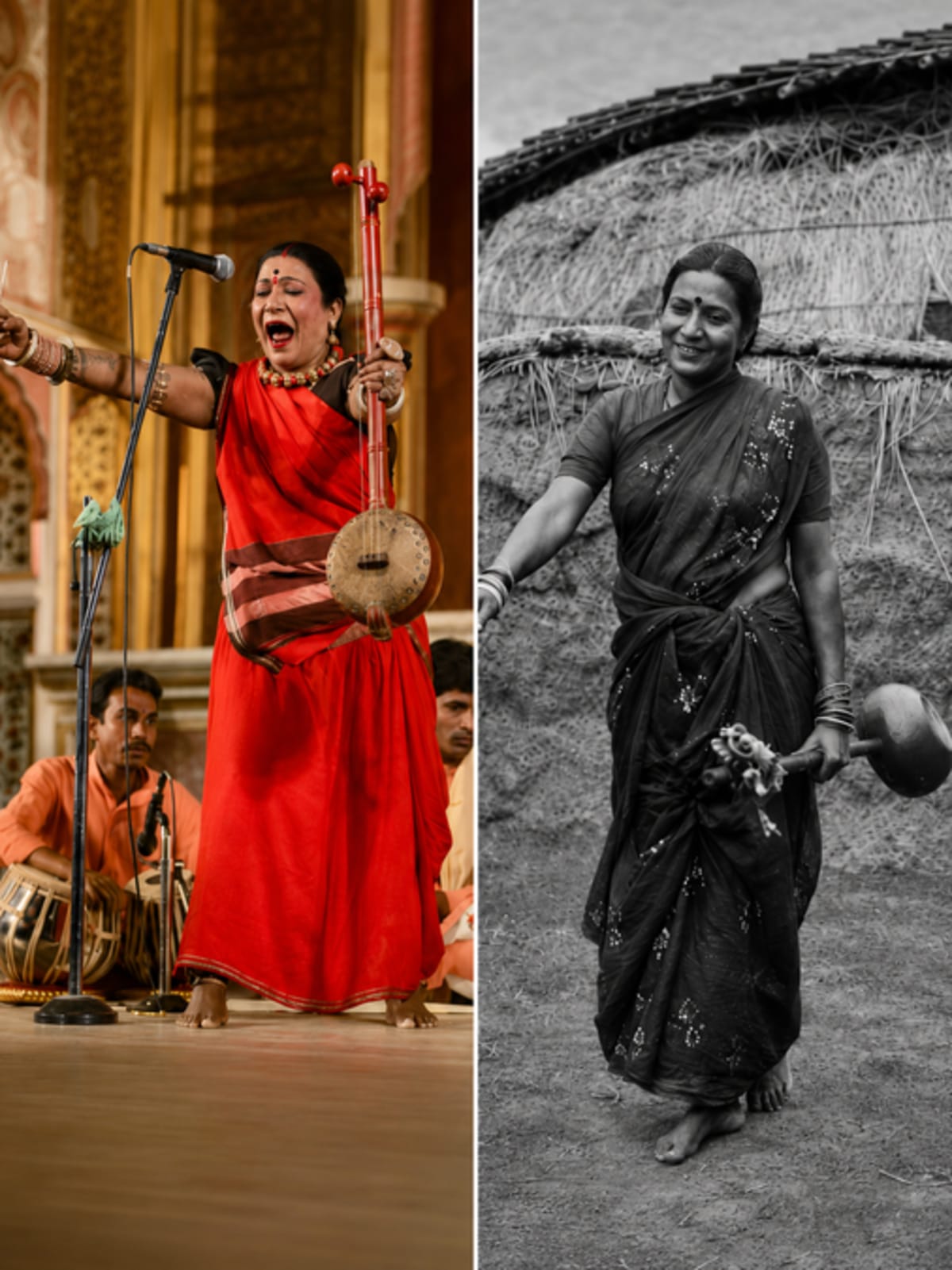
She chose to stand tall, literally. While most women performed Pandavani seated in the gentle Vedamati style, Teejan Bai mastered the dramatic Kapalik tradition. She sang, acted, and transformed ancient epics into living theater with just her voice and a tambura.
Audiences didn't just hear the Mahabharata. They felt Bhima's rage, witnessed Arjuna's courage, and wept at Draupadi's pain through her performances.
Her voice traveled from small villages in Chhattisgarh to concert halls across Asia, Europe, and North America. She became the first woman to carry Pandavani beyond India's borders, proving that tradition and transformation can walk hand in hand.
India recognized her brilliance with its three highest civilian honors: the Padma Shri, Padma Bhushan, and Padma Vibhushan. Japan awarded her the prestigious Fukuoka Prize for preserving Asian culture.
Why This Inspires
Teejan Bai didn't just perform stories about heroes. She lived one. Every time she stepped on stage, she proved that a woman's voice deserves to be heard, that ancient art forms can thrive in modern times, and that passion can outlast prejudice.
She trained over 200 students before her passing on July 5, 2026, ensuring that Pandavani would continue to echo through generations. Many of her students are women who now stand where stages were once forbidden.
Her story reminds us that cultural change doesn't happen quietly. Sometimes it takes one person refusing to whisper when they were born to sing.
Every Pandavani performance today carries the courage of a 13-year-old girl who stood when the world told her to sit.
Based on reporting by The Better India
This story was written by BrightWire based on verified news reports.
Spread the positivity!
Share this good news with someone who needs it