Forest Schools Give Kids More Outdoor Time Than Inmates
Three-quarters of children spend less time outside than prison inmates, but a growing movement of forest schools is changing that. These outdoor classrooms are teaching kids to love nature through play and exploration.
Imagine your childhood being spent mostly indoors, with less fresh air and sunshine than someone behind bars. That's the reality for three out of four children today, according to recent research.
Forest schools are flipping that script. These outdoor learning programs are popping up around the world, swapping traditional four-walled classrooms for lessons under the trees.
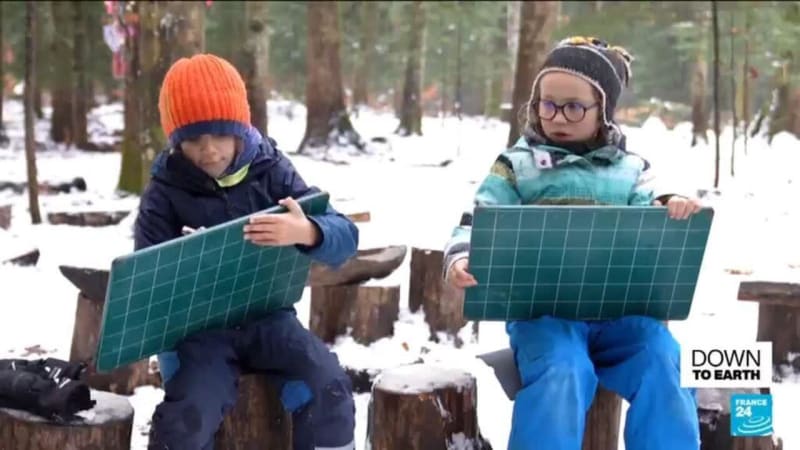
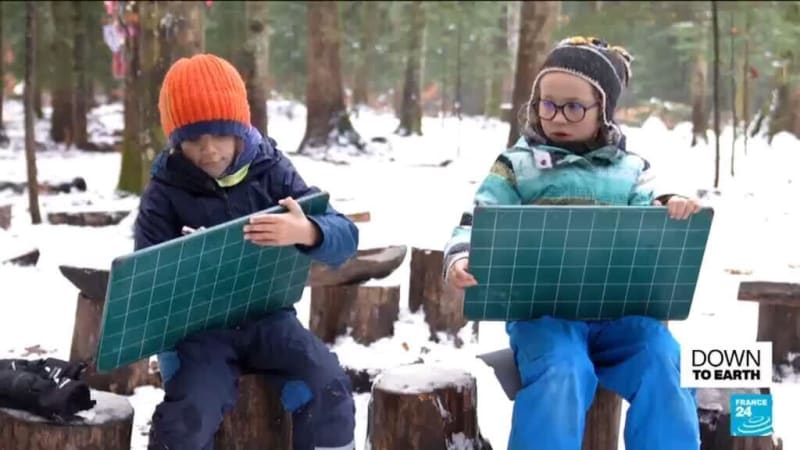
In Switzerland, one forest school shows what this movement looks like in action. Children spend their days learning through outdoor play and hands-on exploration of the natural world. Instead of worksheets about leaves, they collect and study real ones.
The concept is simple but powerful. Kids learn math by measuring tree trunks. They practice language skills by describing what they see, hear, and touch in the woods. Science lessons happen naturally when they watch insects, track weather patterns, or observe how plants grow through the seasons.
Forest schools aren't just about academics. They're reconnecting children with the environment during a time when screen time dominates and outdoor play has become rare. Many kids today can name more corporate logos than local plants or birds.
These programs also build resilience. Climbing trees, navigating uneven terrain, and adapting to weather changes teach problem-solving and confidence. Children learn to assess risks and push their own boundaries in a supervised but free environment.
The Ripple Effect
The benefits extend beyond individual children. Kids who spend regular time in nature develop stronger environmental awareness and care. They're more likely to grow into adults who protect and value green spaces.
Parents and educators are noticing changes too. Teachers report that students who attend forest schools show improved focus, creativity, and social skills. The unstructured outdoor time reduces stress and anxiety while building cooperation through group play.
As more research highlights the mental and physical health benefits of nature exposure, forest schools offer a solution that's both ancient and innovative. They're proving that the best classroom might not have walls at all.
These young learners are discovering something prison inmates know too well: time outside matters for human wellbeing.
More Images

Based on reporting by France 24 English
This story was written by BrightWire based on verified news reports.
Spread the positivity!
Share this good news with someone who needs it