800,000-Year-Old Campfires Reveal Early Human Ingenuity
Ancient humans in Israel kept fires burning for generations by gathering driftwood along a lakeshore, showing remarkable environmental awareness. Tiny charcoal fragments reveal how our ancestors chose where to live based on access to fuel.
Nearly 800,000 years ago, early humans in northern Israel figured out something brilliant: settle where nature delivers your firewood.
New research shows these ancient communities built their lives around a lake that naturally collected driftwood along its shores. Instead of wandering to find fuel, they let the water do the work for them.
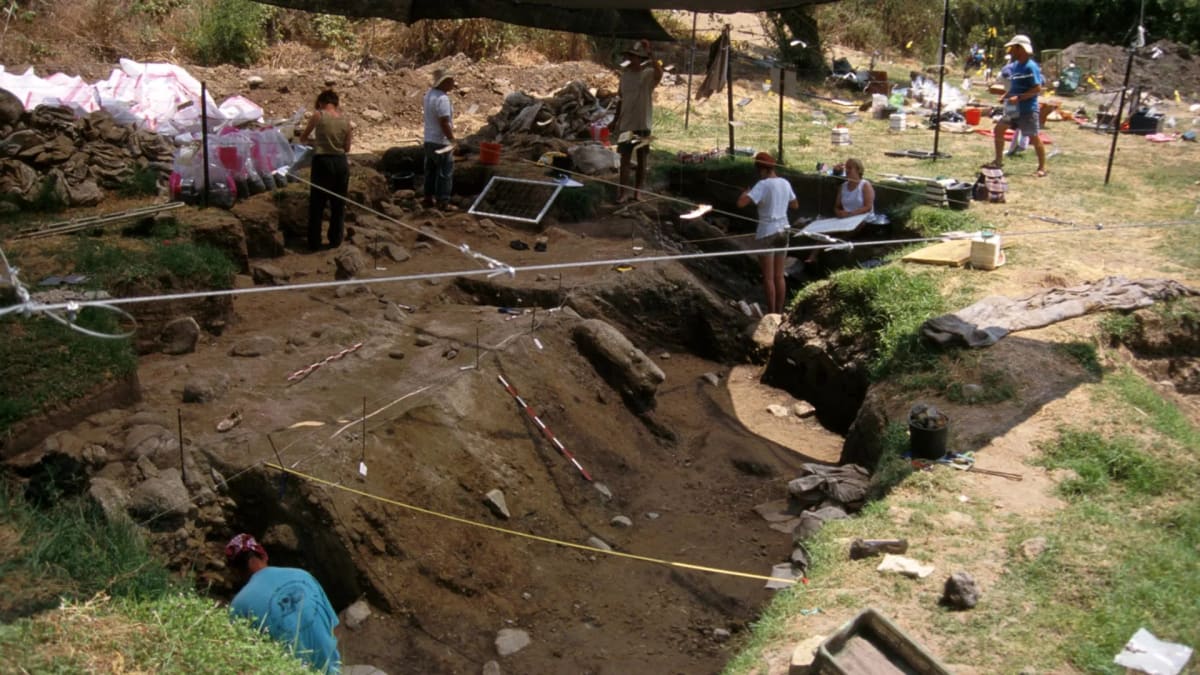
Scientists examining charcoal from the Gesher Benot Ya'aqov site found evidence of sustained fire use across generations. The discovery suggests our ancestors were more strategic planners than we previously imagined.
An international team led by Prof. Naama Goren-Inbar from Hebrew University studied 266 charcoal fragments dating back 780,000 years. The tiny pieces revealed ash, willow, olive, oak, pistachio, and even pomegranate, the earliest known evidence of this fruit tree in the region.
What makes this discovery remarkable is that the charcoal showed greater plant diversity than other botanical remains at the site. This tells researchers that ancient people weren't picky about their firewood; they simply gathered what washed ashore.
The steady fuel supply powered their daily lives. They cooked fish, processed large animals including straight-tusked elephants, crafted stone tools, and gathered around communal hearths for social activities.
Charcoal rarely survives this long, making the GBY collection exceptionally valuable. The site contains over 20 archaeological layers showing repeated occupation, with each generation returning to the same advantageous location.
Why This Inspires
This discovery changes how we think about early human intelligence. Our ancestors weren't just surviving; they were making sophisticated choices about where to live based on practical considerations like fuel access.
They understood their environment well enough to recognize that certain locations offered multiple benefits: fresh water, edible plants, hunting grounds, and crucially, an endless supply of firewood. That kind of forward thinking laid the groundwork for human civilization.
The research, published in Quaternary Science Reviews, reveals that even the smallest archaeological remains can tell powerful stories about human adaptability and problem solving.
Today's innovations in renewable energy and sustainable living echo this ancient wisdom: work with nature's systems rather than against them.
Based on reporting by Google News - Scientists Discover
This story was written by BrightWire based on verified news reports.
Spread the positivity!
Share this good news with someone who needs it