Peru Find Shows 3,800-Year-Old Civilization Adapted, Not Collapsed
Archaeologists in Peru discovered 43 ancient ritual objects that prove the Caral civilization—the oldest in the Americas—didn't collapse from climate stress but adapted and relocated instead. The finding offers hope for how societies can survive environmental challenges without conflict.
Scientists just found proof that one of the world's oldest civilizations didn't fall apart when times got tough. It moved, adapted, and kept going.
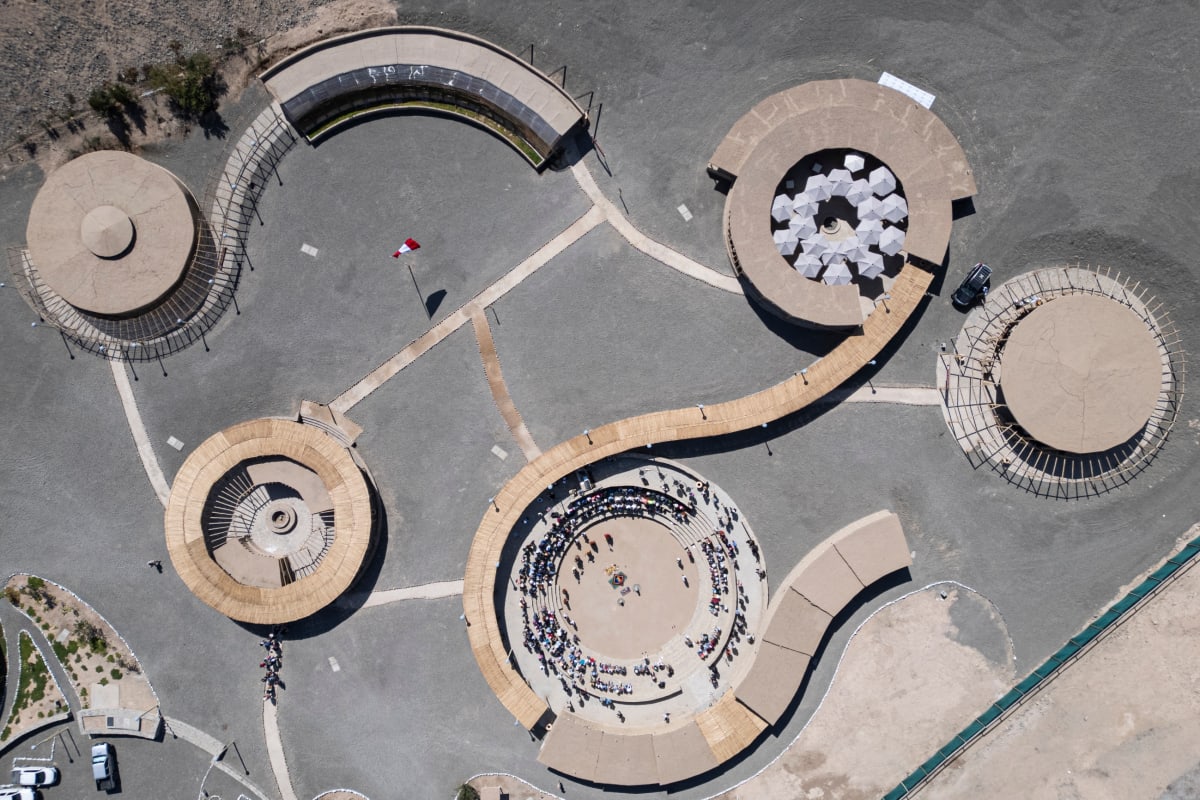
Peru's Ministry of Culture announced this week that archaeologists uncovered 43 carved figurines and ritual objects buried 3,800 years ago at Peñico, a ceremonial site in northern Peru. The discovery provides the strongest evidence yet that the Caral civilization survived prolonged drought by relocating rather than collapsing into conflict.
The Caral civilization emerged around 3000 BCE in Peru's river valleys, making it as old as Egypt's pyramids. Unlike other ancient societies, Caral built massive ceremonial centers and public buildings without any signs of warfare—no weapons, no defensive walls, no fortifications.
Lead archaeologist Mauro Ordóñez presented the objects on July 7, revealing carved figures of humans, birds, snakes, and mythological beings. The pieces were arranged in a precise deposit just 22 centimeters long, sealed beneath a large stone in the foundation of Peñico's largest ceremonial building.
The objects weren't randomly buried. They matched materials, carving techniques, and symbolic designs from earlier Caral sites in three independent ways—what archaeologists call "triple-dimension matching." Nine figurines even had shell eyes from the same gastropod family used in original Caral rituals.
This matters because when Caral's great cities fell silent centuries earlier, experts assumed the civilization had collapsed. Instead, the people carried their sacred traditions to new locations and consecrated new buildings using the same rituals their ancestors practiced.
Why This Inspires
The Caral story challenges a dangerous assumption: that resource scarcity automatically leads civilizations toward violence. When climate change dried up their rivers, the Caral people didn't go to war. They relocated peacefully and rebuilt.
Ruth Shady Solís, the archaeologist who first dated Caral in 2001 and now directs the site as part of Peru's Ministry of Culture, calls it "the sacred city"—a civilization organized around shared ceremonies rather than military power. Her work earned Caral UNESCO World Heritage status in 2009.
Today, as modern societies face their own climate challenges, Caral offers a documented historical example that cooperation and adaptation work. Policymakers and researchers studying contemporary climate disruption now have a 3,800-year-old case study in peaceful resilience.
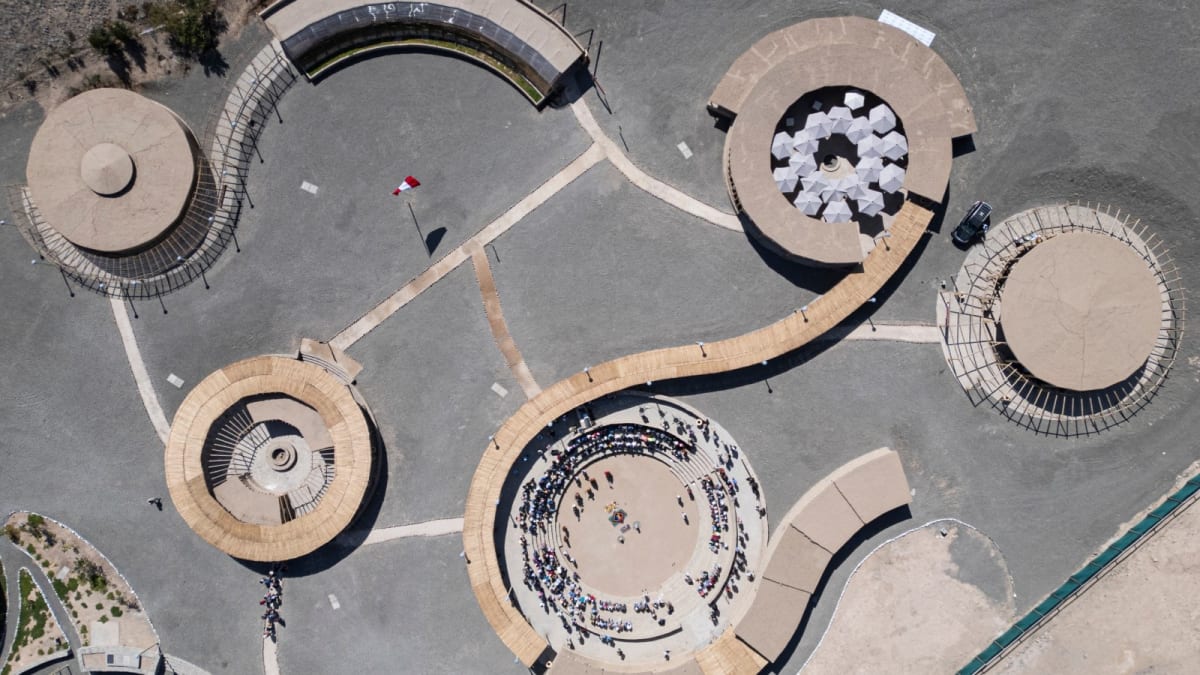
The announcement came just before the second annual Peñico Raymi, a free traditional Andean festival that drew visitors to celebrate both the discovery and Peñico's recent opening as the fourth Caral-linked site accessible to the public.
Ancient wisdom sometimes arrives right when we need it most.
More Images



Based on reporting by Google: archaeological discovery
This story was written by BrightWire based on verified news reports.
Spread the positivity!
Share this good news with someone who needs it