Ranger Finds Tree Extinct 2 Million Years in Sydney Canyon
A park ranger exploring a remote Australian canyon in 1994 discovered a grove of living trees that scientists had only seen as 90-million-year-old fossils. The Wollemi pine, now one of the world's rarest species with just 60 wild trees, survived in a hidden pocket unchanged while the world around it transformed completely.
David Noble was exploring a sandstone canyon he'd never visited before when he spotted something impossible growing in the shadows.
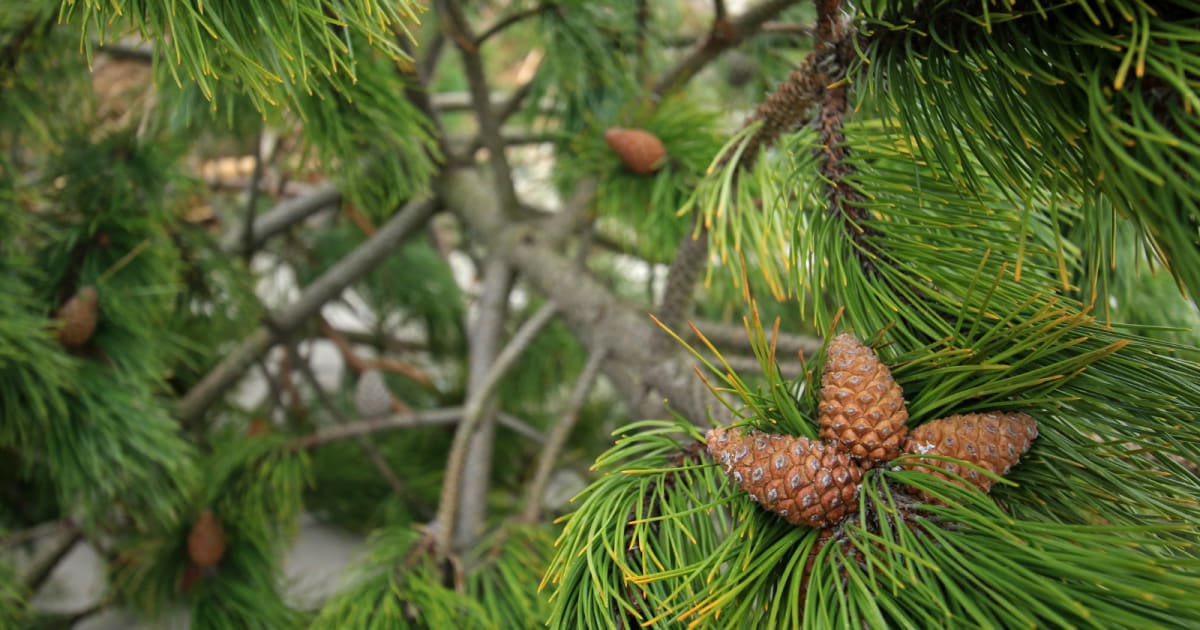
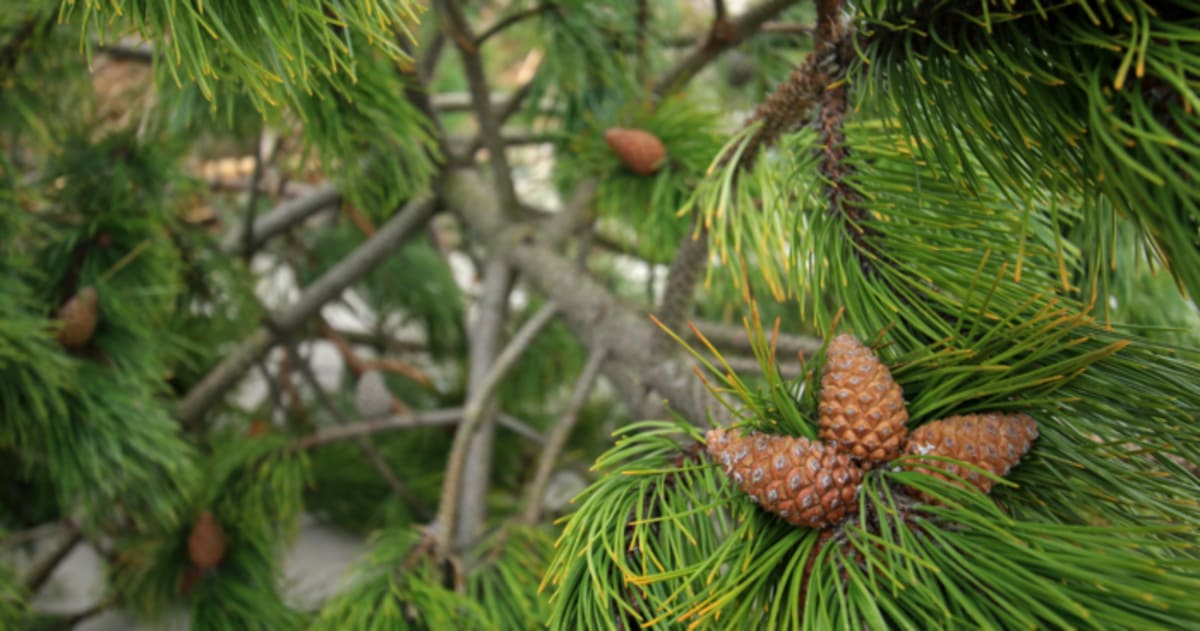
It was September 1994, and the New South Wales park ranger was canyoning in the Blue Mountains, about 150 kilometres northwest of Sydney. The trees in front of him looked wrong. Their bark was unusually knobbly, their foliage fern-like and unfamiliar.
Noble knew Australian plants well enough to recognize when something didn't fit. He broke off a small branch and brought it home in his backpack.
When botanists at Sydney's Royal Botanic Gardens examined the branch weeks later, they realized Noble had found something extraordinary. The tree matched fossils from the Cretaceous period, the age of dinosaurs stretching back 145 million years. Its pollen appeared in rocks 90 million years old, then vanished from the geological record about 2 million years ago.
Scientists had been completely certain this tree was extinct. Then Noble walked past a grove of them in a wet, sheltered canyon.
The team named it Wollemia nobilis in 1995, a new genus entirely of its own. Sir David Attenborough compared the discovery to "finding a small dinosaur still alive on Earth."
Why This Inspires
The Wollemi pine survived because its canyon became what ecologists call a refugium, a pocket of exceptionally stable conditions. While Australia drifted north across half a hemisphere, its climate drying and transforming, this single canyon stayed cool, wet, and sheltered from fire by sandstone walls.
Generation after generation of pines quietly persisted in their hidden sanctuary while the world outside changed into something their ancestors wouldn't recognize. Only about 60 wild trees exist today across four nearby locations, genetically similar enough to be almost clones.
The Australian government keeps the exact coordinates classified to protect them. When the catastrophic 2019-2020 bushfires threatened the grove, firefighters mounted an extraordinary operation with helicopters and specialized sprinklers to save every tree.
But here's the hopeful part: botanists have cultivated Wollemi pines worldwide, creating a safety net for the species. Gardens and collections across the globe now grow these living fossils, ensuring that even if disaster struck the wild grove, the lineage would survive.
A tree that witnessed the dinosaurs now has human guardians making sure it sees the future too.
More Images
Based on reporting by Google: fossil discovery
This story was written by BrightWire based on verified news reports.
Spread the positivity!
Share this good news with someone who needs it