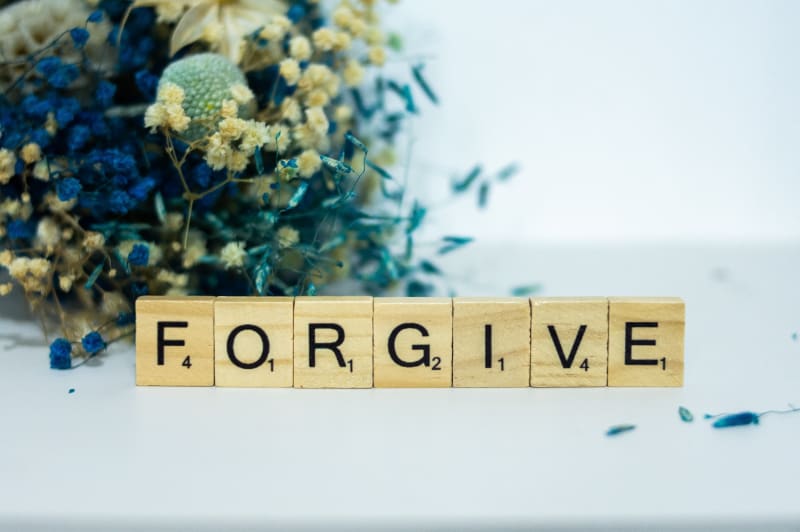
Forgiveness Doesn't Mean Making Up, Research Shows
New research reveals what many people get wrong about forgiveness: it's not about reconciling with those who hurt us. A counseling professor's study shows forgiveness can be a powerful path to healing even when relationships stay broken.
If you've struggled to forgive someone but couldn't imagine letting them back into your life, science has good news: you don't have to do both.
Richard Balkin, a counseling professor and licensed therapist, has spent years studying forgiveness and discovered that most of us misunderstand what it really means. His 2025 research with colleagues reveals why forgiving feels so hard and why it doesn't require reconciliation at all.
The numbers tell a compelling story. Two in five Americans have fought with family members about politics, according to a 2024 study by the American Psychiatric Association. One in five have become estranged over disagreements, creating rifts that damage both emotional and physical health.
Balkin's latest study asked people to recall three different experiences: offering forgiveness, witnessing karma, and taking revenge. The results surprised even him. While people were 1.5 times more likely to want to forgive than seek karma or revenge, the process of forgiving made them sadder and more anxious than the alternatives.
That's because we've confused two completely different processes. "Interpersonal forgiveness" involves repairing relationships and making up with the person who hurt us. But "intrapersonal forgiveness" is something entirely different: releasing anger and resentment for our own wellbeing, regardless of whether the relationship heals.
The distinction matters enormously. Balkin worked with teenagers in a hospital's adolescent unit who had suffered abuse. For many of them, reconciling with their abusers would have been dangerous or impossible. But learning to let go of anger and trauma? That could set them free.
Intrapersonal forgiveness means saying, "What I wanted from this person I did not get, and I no longer expect it." You stop spending emotional energy on staying angry. You grieve what you deserved but didn't receive, then choose to lay down that burden.
Why This Inspires
This research offers something powerful: permission to heal without forcing ourselves into harmful situations. Forgiveness isn't a moral obligation that requires you to restore trust with someone who broke it. It's a gift you give yourself.
The work isn't easy. Balkin acknowledges that relinquishing ill will takes patience and time. It can feel like grief, moving through similar emotional stages. But unlike reconciliation, which depends on another person's willingness to change, intrapersonal forgiveness is entirely within your control.
For anyone carrying the weight of old wounds, especially during times of family conflict and political division, this research provides a roadmap. You can find peace without putting yourself back in harm's way. You can heal without getting an apology. You can forgive without ever speaking to that person again.
The freedom to let go without making up might be the most hopeful kind of forgiveness there is.
More Images

Based on reporting by Medical Xpress
This story was written by BrightWire based on verified news reports.
Spread the positivity!
Share this good news with someone who needs it