Four Astronauts Circle Moon in Historic Artemis II Flyby
Four astronauts are making history right now, flying farther from Earth than any humans ever have during a six-hour moon flyby that's being broadcast live. They'll become the first people to see the moon's mysterious far side in over 50 years.
Right now, four astronauts are experiencing something no human has felt in more than half a century: the sight of the moon's far side hanging outside their window.
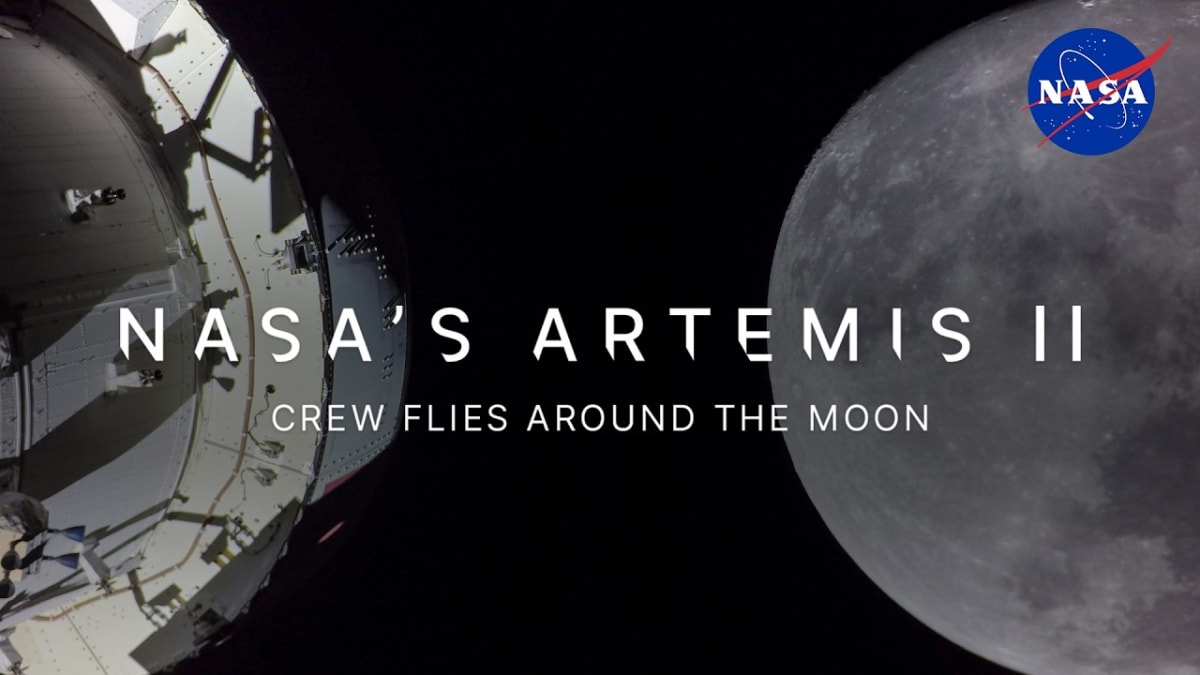
The Artemis II crew began their historic lunar flyby Monday afternoon, and NASA is broadcasting every moment live. This isn't just another space mission. These astronauts are breaking distance records set during the Apollo era while reigniting humanity's journey back to the moon.
At their closest approach around 7:02 p.m. EDT, the crew will fly about 4,066 miles above the lunar surface. Minutes later, they'll reach 252,757 miles from Earth, shattering the previous record held by Apollo 13 astronauts in 1970 by more than 4,100 miles.
The most profound moment comes during a 30 to 50 minute communication blackout starting at 6:44 p.m. EDT. As the moon blocks all radio signals between the crew and Earth, the four astronauts will become the most remote humans in existence, completely cut off from the rest of humanity.
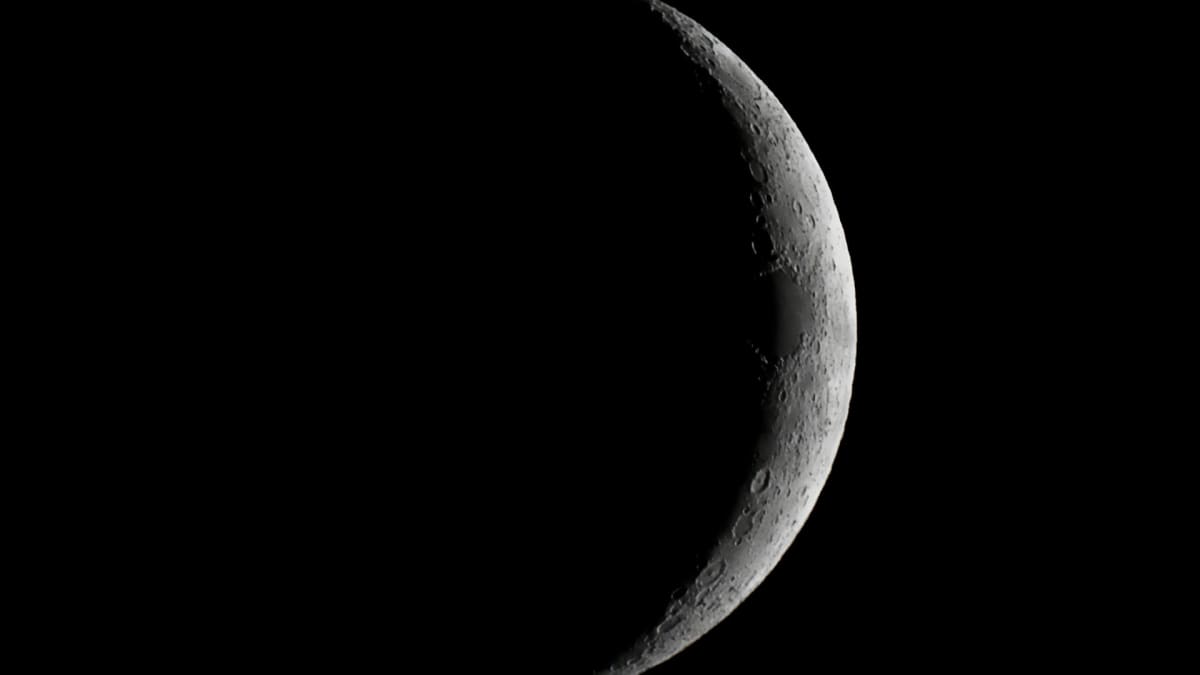
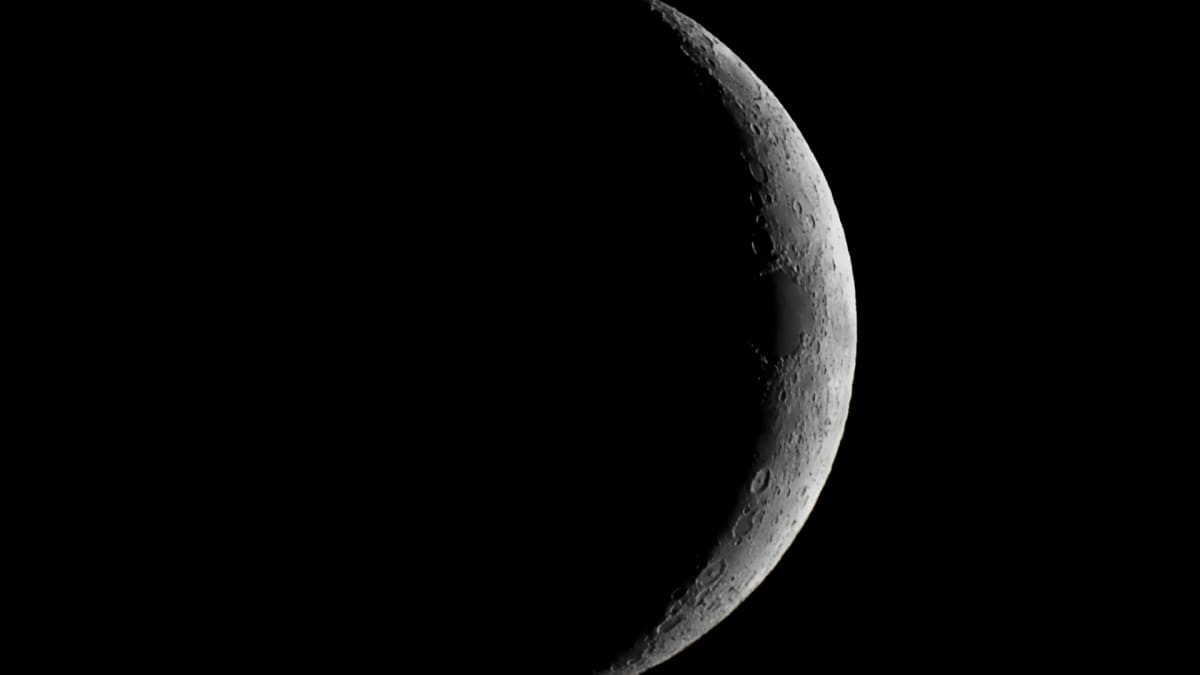
But they won't waste that quiet time. The crew will photograph and study the lunar far side, which will be about 20% lit by the sun during their pass.
Why This Inspires
The last humans to see the moon's far side were Apollo 17 astronauts in 1972. That's more than 50 years of waiting for this moment.
Apollo 11's Michael Collins famously described the isolation of orbiting alone behind the moon: "I am alone now, truly alone, and absolutely isolated from any known life." He wrote that the score was three billion people plus two on Earth's side, and just him plus "God knows what" on the far side. This time, at least the Artemis II crew has each other.
This mission represents the first step in NASA's plan to return humans to the lunar surface. Unlike the Apollo missions that flew just 70 miles above the moon, Artemis II's wider orbit tests new technology and procedures for longer deep space missions.
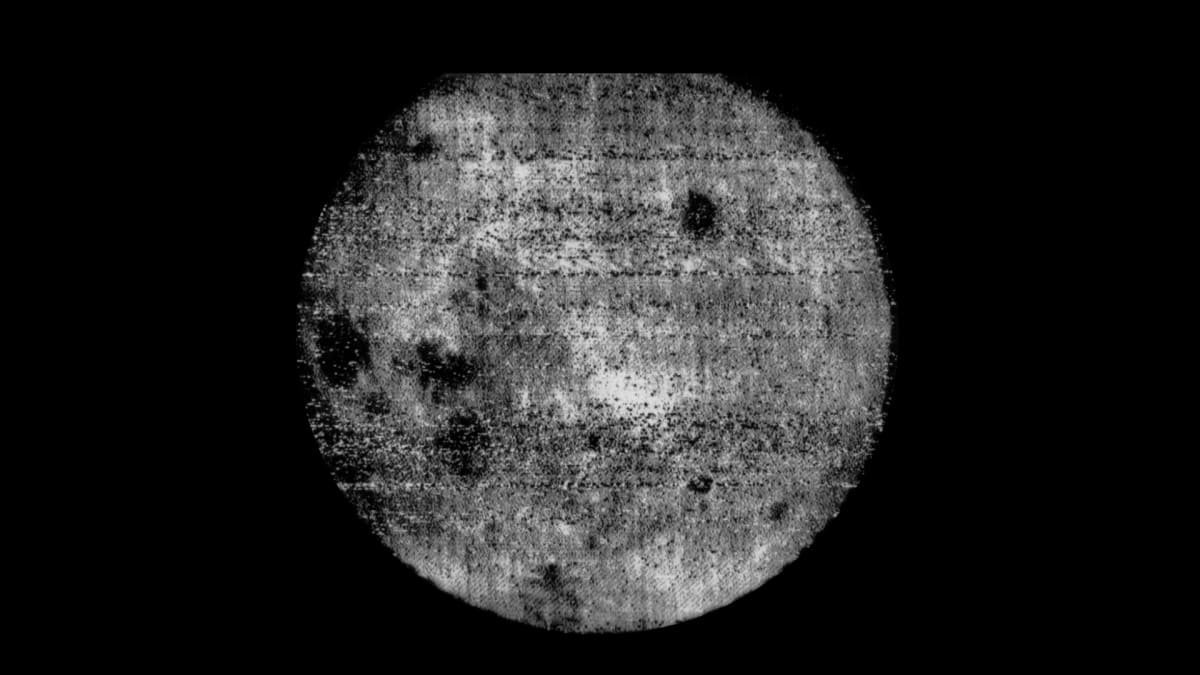
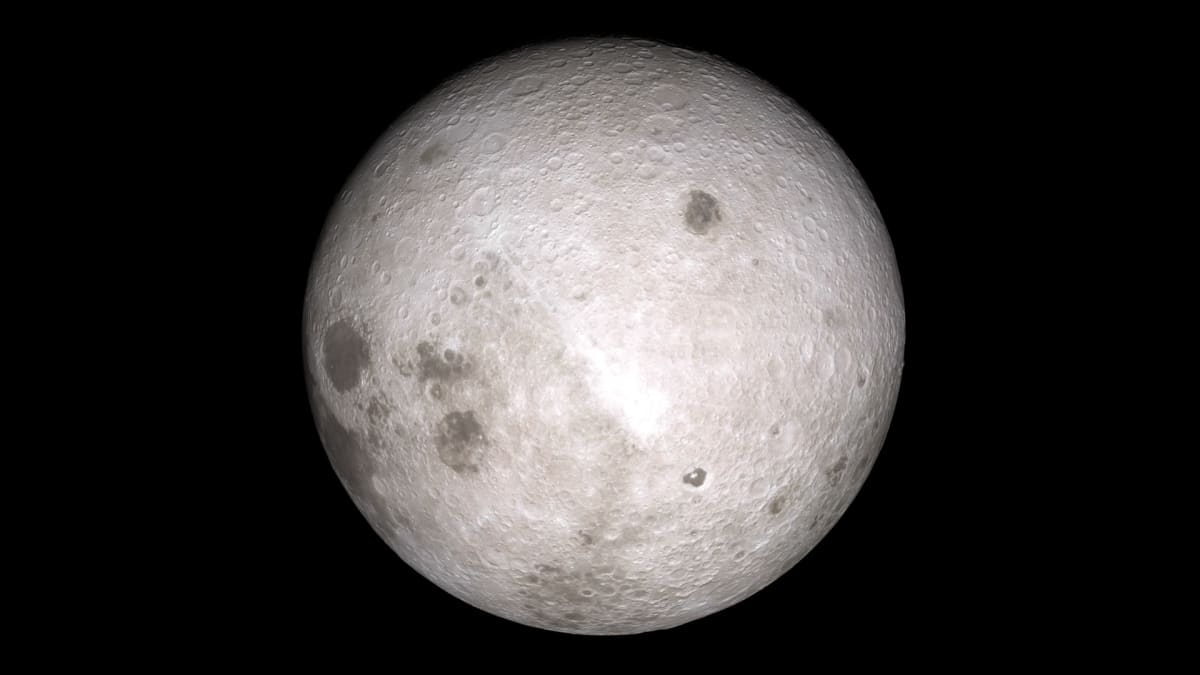
The lunar far side remains one of our solar system's most mysterious territories. It's rougher, more heavily cratered, and brighter than the familiar near side we see from Earth. Human eyes haven't witnessed it since the Apollo program ended, making today's observations scientifically valuable and deeply moving.
Space exploration isn't just about breaking records. It's about pushing the boundaries of what humans can achieve together, inspiring the next generation to dream bigger and reach farther than ever before.
More Images
Based on reporting by Live Science
This story was written by BrightWire based on verified news reports.
Spread the positivity!
Share this good news with someone who needs it