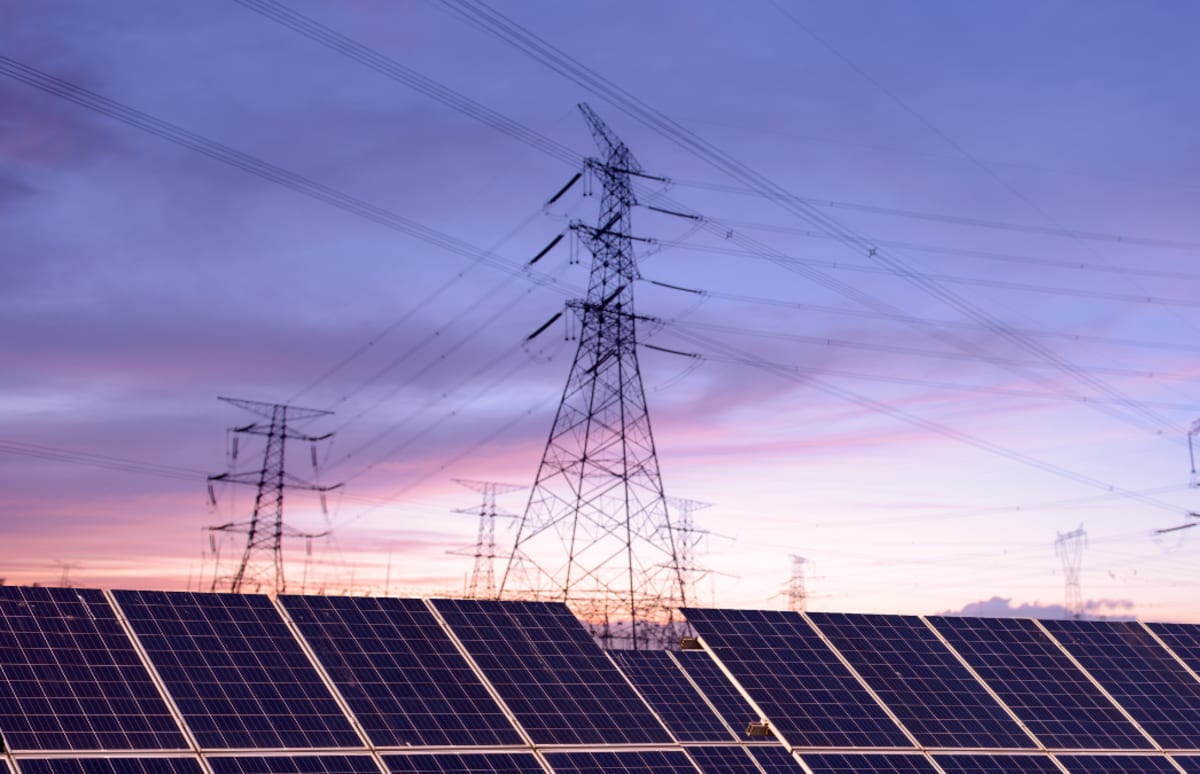
Four Nations Cut Fossil Fuel Reliance with Renewable Energy
As oil prices spike from global conflicts, Germany, India, Bolivia, and Nigeria are investing billions in renewable energy to escape fossil fuel volatility. These nations are proving that wind, solar, and hydropower offer stable prices, energy independence, and climate progress all at once. #
While fossil fuel prices swing wildly from Middle East conflicts, four nations across three continents are building their way to energy independence with renewables that never run out or require imports.
Germany now generates 55 percent of its electricity from renewable sources, with wind and solar leading the charge. The European economic powerhouse has slashed its vulnerability to global oil shocks while cutting greenhouse gas emissions at the same time.
India, home to 1.4 billion people, has reached 30 percent renewable capacity despite still relying heavily on coal. Massive solar parks and rooftop installations are spreading across the world's most populous nation, helping rural communities access reliable power for the first time.
Bolivia is pivoting from natural gas dependence to hydropower and solar energy, especially in high-altitude regions. Solar-powered irrigation systems are already transforming agricultural productivity in remote villages where grid electricity never reached.
Nigeria, Africa's largest economy with 241 million people, aims to generate half its electricity from renewables by 2030. Despite facing poverty challenges, the nation is expanding hydropower and solar to replace unreliable diesel generators that plague communities with blackouts.
UN Secretary-General António Guterres captured the shift perfectly in March: "The fastest path to energy security, economic security, and national security is clear: speed up a just transition away from fossil fuels and toward renewable energy."
The Ripple Effect
The transformation extends far beyond lower electricity bills. Germany is modernizing its entire power grid and building storage facilities to handle wind's natural variability, creating thousands of engineering jobs in the process.
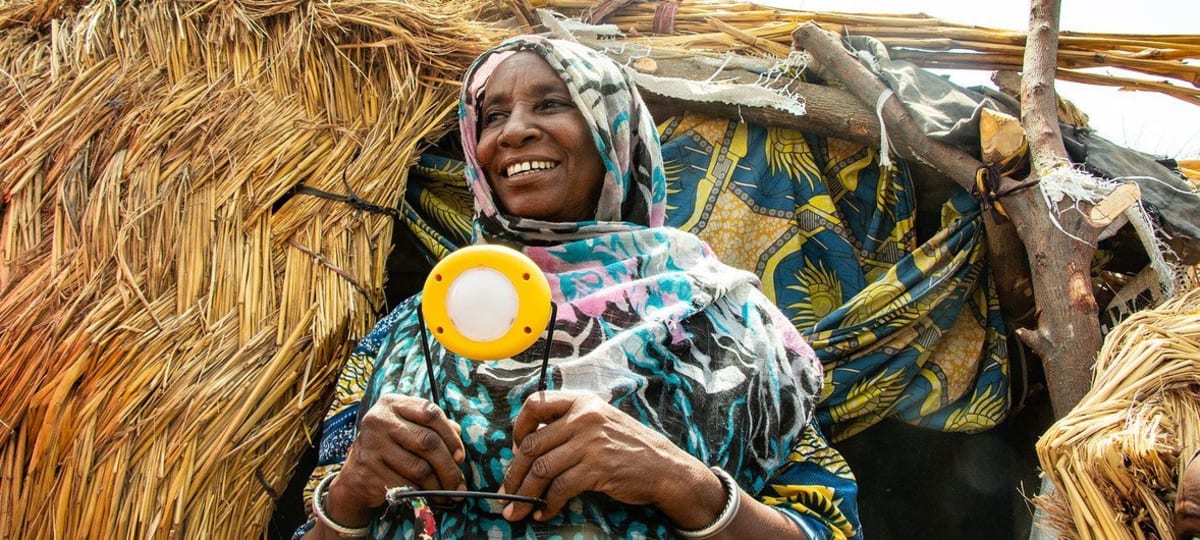
India's solar initiatives are improving incomes in rural areas where farmers can now irrigate crops reliably and families can refrigerate food and medicine. Children study after dark under solar lights instead of expensive, polluting kerosene lamps.
Bolivia's renewable push means communities at extreme altitudes finally have access to consistent power without costly fuel transport. Nigerian villages are replacing noisy, fume-spewing generators with quiet solar panels that need no refueling.
These four nations represent different starting points and challenges, yet all share the same destination: energy systems that protect them from global price chaos, reduce harmful emissions, and strengthen their economic futures. Wind turbines and solar panels don't care about geopolitical tensions or commodity speculation.
Every megawatt of renewable capacity installed today shields these countries from tomorrow's energy crisis.
#
More Images


Based on reporting by UN News
This story was written by BrightWire based on verified news reports.
Spread the positivity!
Share this good news with someone who needs it