Four Young Math Geniuses Win Fields Medal in Philadelphia
The world's most prestigious math awards just went to four brilliant mathematicians under 40, including only the third woman ever to win. Their groundbreaking work solved problems that stumped scientists for decades.
The math world just celebrated four extraordinary minds who proved that genius knows no boundaries.
At the International Congress of Mathematicians in Philadelphia, four researchers under 40 received the Fields Medal, often called math's Nobel Prize. The awards recognize breakthroughs that solve some of the most challenging puzzles in mathematics.
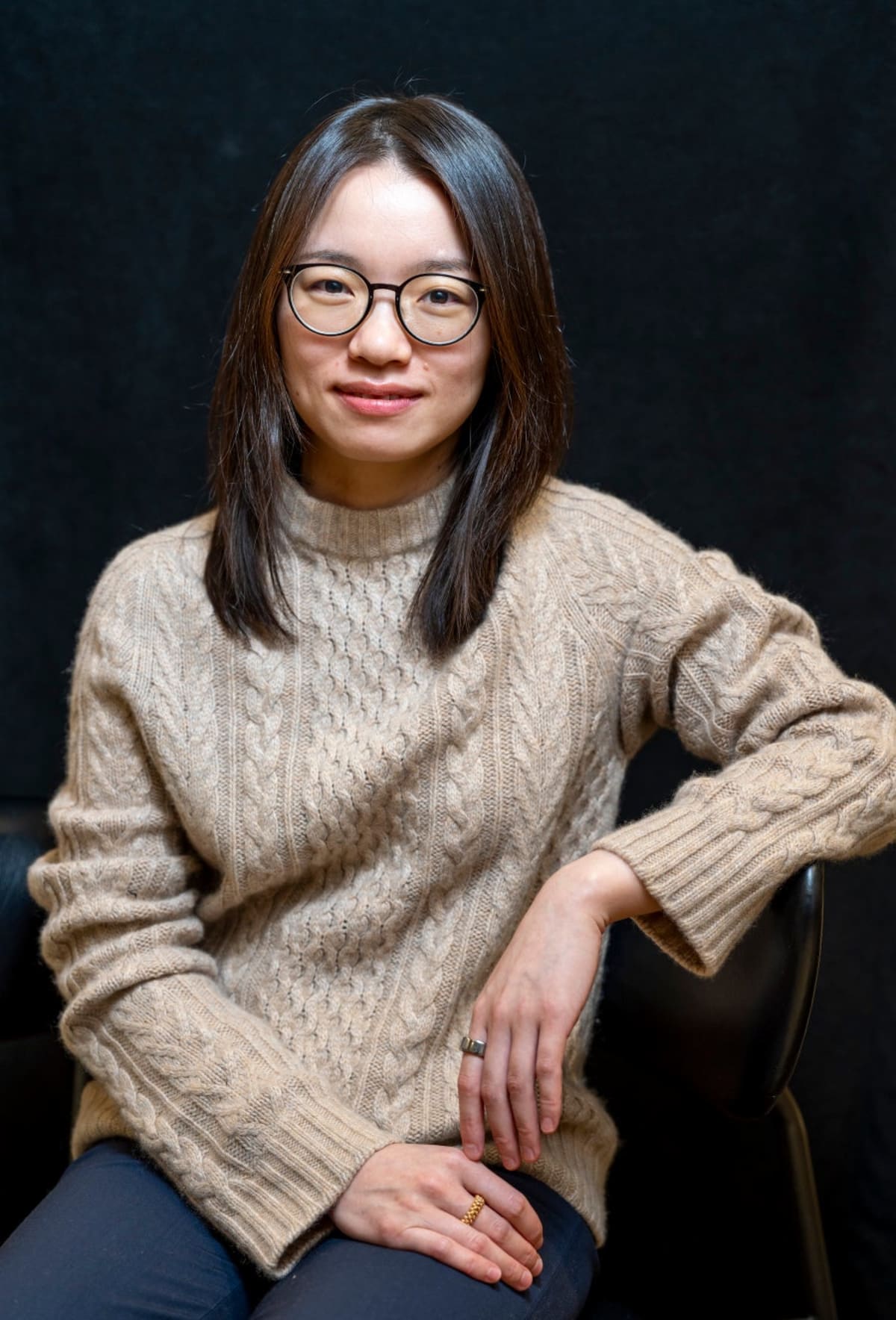
Hong Wang of New York University made history as only the third woman to win the prize in its 90-year existence. Last year, she and collaborator Joshua Zahl cracked the three-dimensional Kakeya conjecture, ending a 50-year quest that had defined an entire field of mathematics.
The problem started as a simple game: spin a pencil through the air so it points every direction exactly once while moving through the smallest space possible. Wang proved the mathematical limit to how tiny that space can be. "She solved the 'holy grail' problem," says Nets Katz, a mathematician at Rice University.
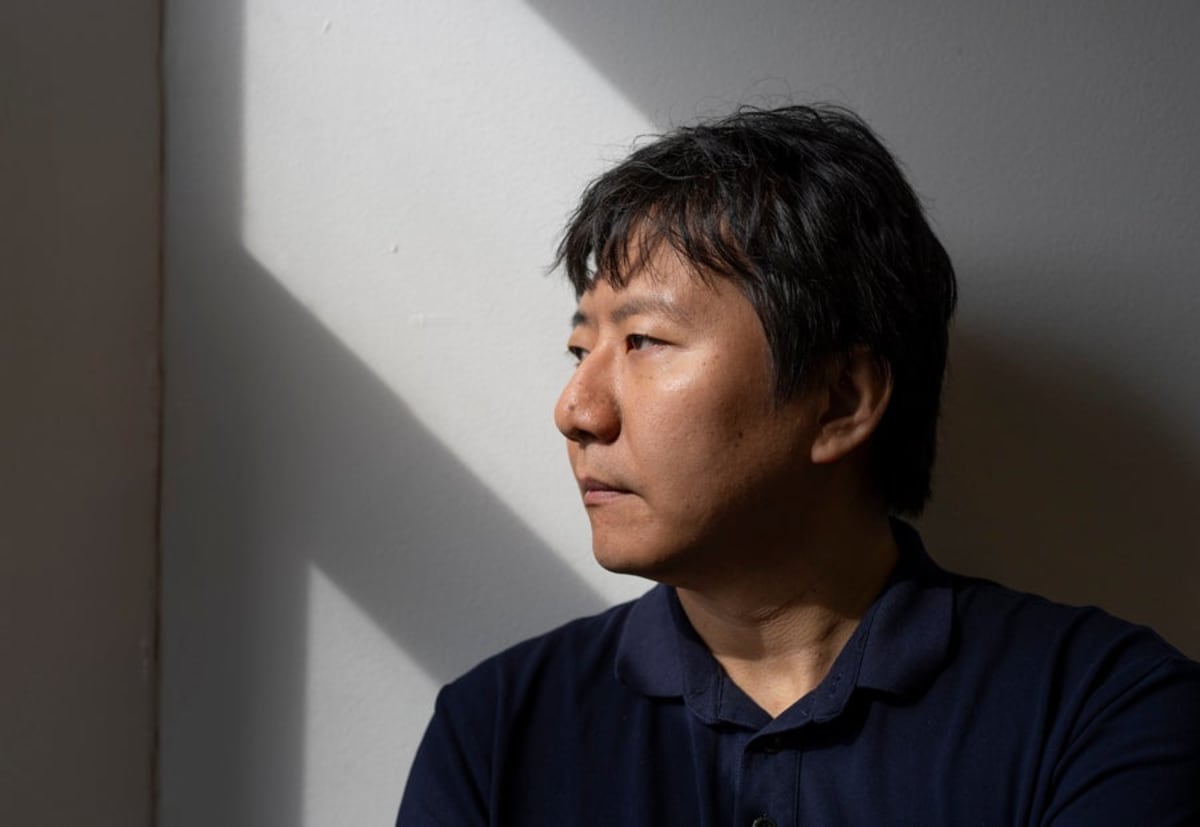
Yu Deng of the University of Chicago tackled a mystery that puzzled scientists for over a century. Fluids act like chaotic molecules up close but flow smoothly from far away. Deng and his team proved these seemingly opposite behaviors follow the same mathematical rules.
When Deng learned he'd won in January, he spent days walking along Lake Michigan to process the news. "It's a truly spectacular, singular result," says mathematician Scott Armstrong.
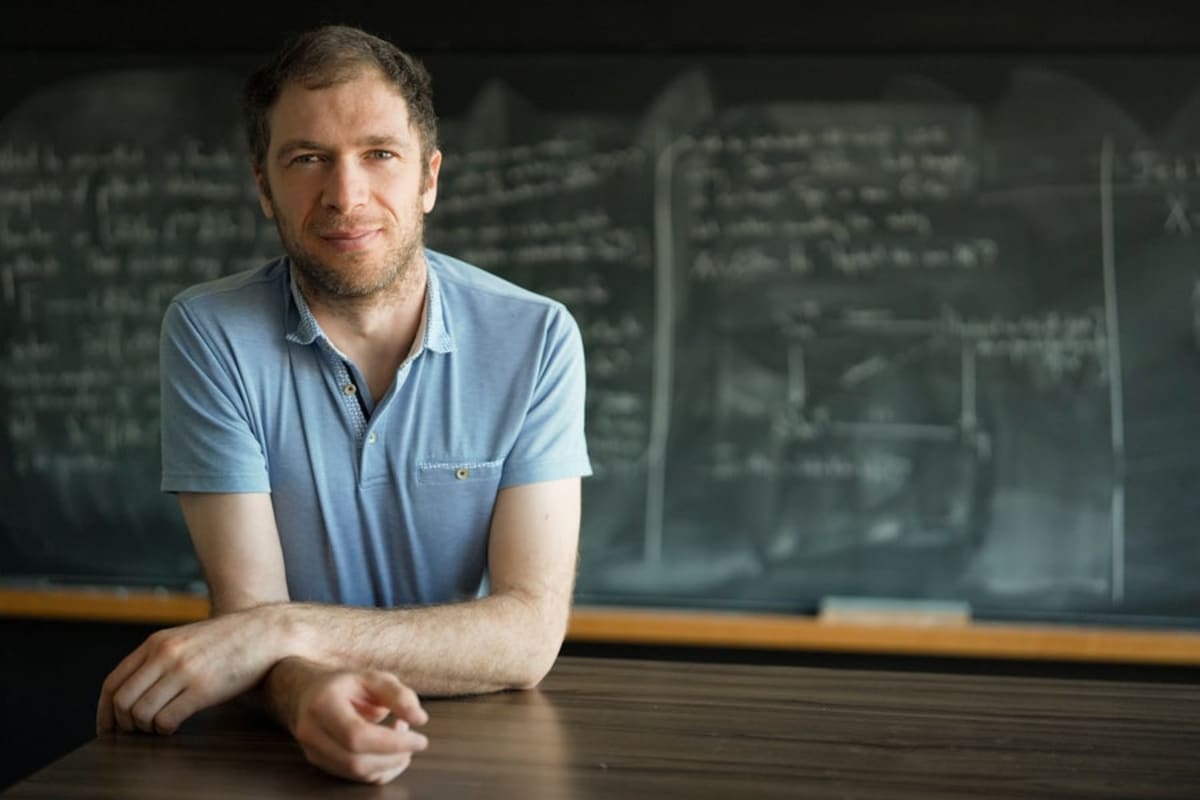
John Pardon of Stony Brook University and Jacob Tsimerman of the University of Toronto round out this year's winners. Together with Wang and Deng, they represent a new generation of mathematical talent, with Wang and Deng becoming only the second and third Chinese-born winners in history.
The Ripple Effect
These breakthroughs aren't just academic victories. Understanding fluid motion helps engineers design better airplanes and predict weather patterns. Mathematical advances in how shapes fill space improve computer graphics and data compression.
The awards ceremony featured a brass band performance from the West Philadelphia Orchestra, bringing together thousands of mathematicians from around the world. The Fields Medal only happens every four years and exclusively honors researchers under 40, making it one of science's most competitive prizes.
Wang opened a talk earlier this year with characteristic humility, saying she wasn't sure she belonged on the speaker list. Today's medal proves she absolutely does.
These four winners show that persistence, creativity, and brilliant thinking can unlock answers that seemed impossible for generations.
More Images


Based on reporting by Scientific American
This story was written by BrightWire based on verified news reports.
Spread the positivity!
Share this good news with someone who needs it