France Builds Europe's First Reusable Rocket for 2027
A French startup is racing to launch Europe's first reusable rocket by early 2027, closing a decade-long gap with SpaceX. The breakthrough could slash satellite costs and restore European independence in space.
Europe is finally catching up in the space race, and it's happening in a factory in Normandy, France.
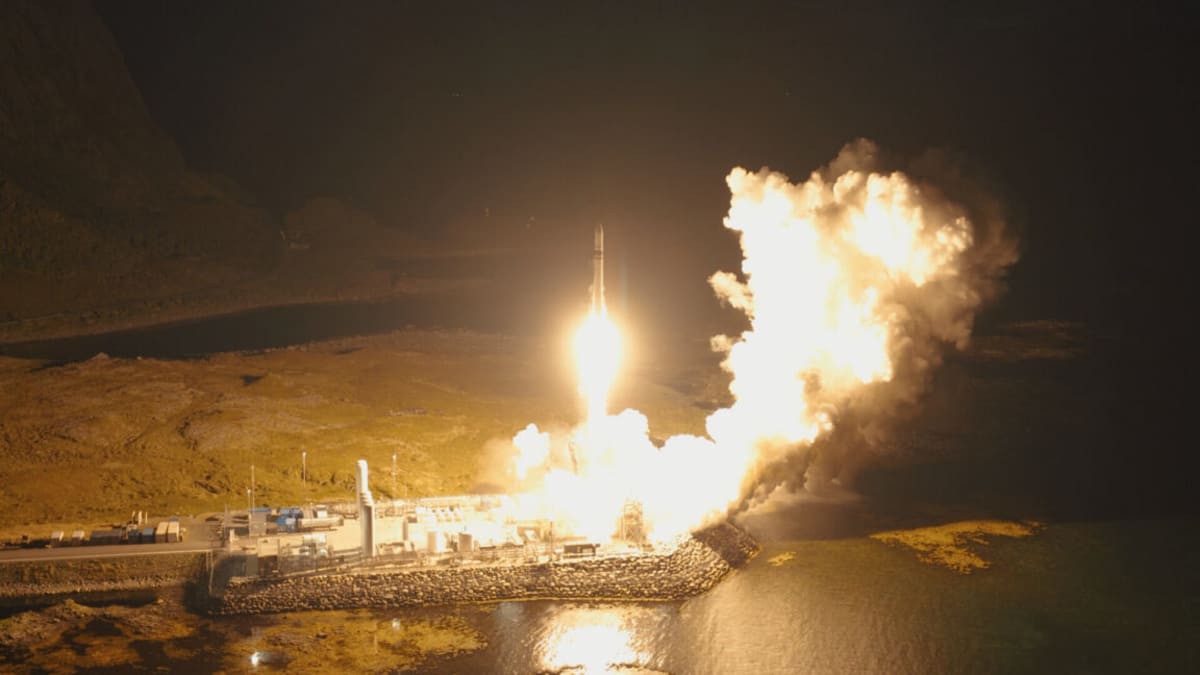
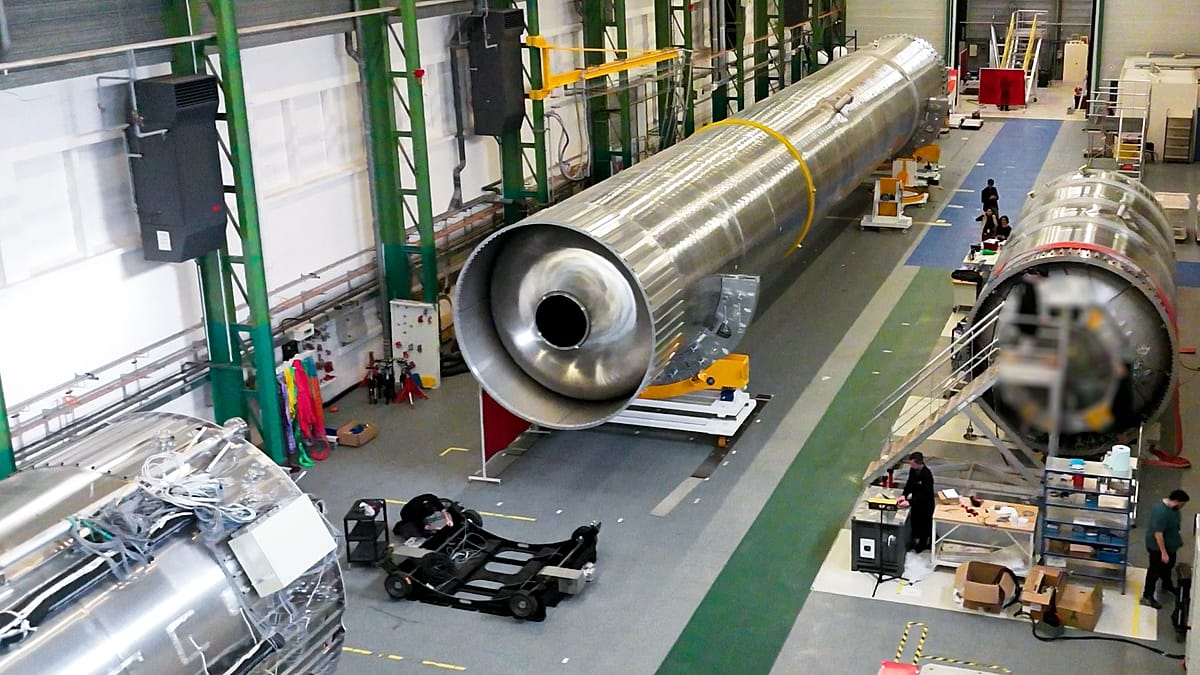
MaiaSpace, a startup backed by French aerospace giant ArianeGroup, is building Europe's first reusable mini-launcher at its Vernon facility. The company plans its first flight in early 2027, marking a historic milestone for European space independence.
The star of the show is Maia, a rocket whose 30-meter first stage can return to Earth and launch again up to four times. That reusability mirrors what SpaceX has been perfecting for a decade, but it's brand new for Europe.
The technology gap stings. While Elon Musk revolutionized spaceflight with vertical rocket landings in 2015, Europe stuck with single-use launchers. That conservative bet cost the continent dearly as American companies dominated the booming satellite market.
Now MaiaSpace is rewriting the playbook. The startup has already signed commercial contracts stretching years into the future, betting on surging demand for small satellites used in Earth observation and telecommunications.
Maia will carry up to four tons into low orbit. More importantly, recovering and reusing that first stage will dramatically cut costs, making European satellite launches competitive again on price.
"Europe missed this opportunity due to an economic judgment that proved wrong," explains Yohann Leroy, MaiaSpace's CEO. "Europe didn't believe in the economic benefits of recovering and reusing launchers."
The math has changed. Miniaturized technology and plummeting costs are transforming niche space markets into mass markets. Success means launching satellites for a fraction of what it cost just years ago.
The Ripple Effect
MaiaSpace represents more than new technology. It signals a fundamental shift in how Europe approaches space, moving from slow government programs to nimble private ventures.
The startup model brings speed and agility that traditional aerospace struggled to match. By adopting SpaceX's playbook of reusability and rapid launch rates, Europe is building the infrastructure to compete in what insiders call "New Space."
Success could ripple far beyond one company. The technologies MaiaSpace develops today might power tomorrow's heavy-lift European rockets, creating a complete ecosystem of reusable launchers. That means jobs, innovation, and genuine sovereignty in space access.
Europe is hedging its bets wisely. The massive Ariane 6 rocket handles heavy payloads while MaiaSpace targets the booming small satellite market. Together, they give Europe options and independence.
The stakes go beyond business. Autonomous space access means European scientists, companies, and governments don't depend on foreign rockets to reach orbit. That matters for everything from climate monitoring to telecommunications to national security.
With commercial contracts signed and hardware taking shape in Normandy, Europe's reusable rocket future is launching soon.
Based on reporting by Euronews
This story was written by BrightWire based on verified news reports.
Spread the positivity!
Share this good news with someone who needs it