France Destroys 38,000 Fake Shoes After 15-Year Legal Battle
After 15 years of legal proceedings, French customs finally destroyed nearly 38,000 counterfeit trainers seized from China in 2011. The importer received a €1.82 million fine and prison sentence, highlighting France's commitment to protecting consumers from unsafe counterfeits.
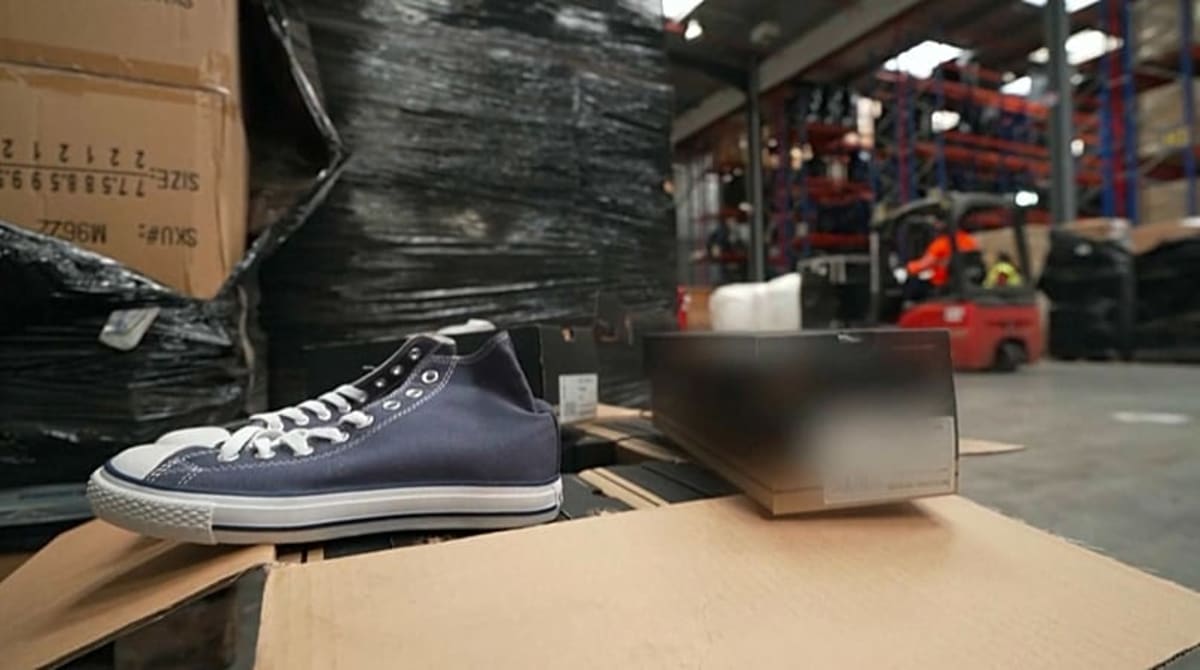
After sitting in a warehouse for 15 years, nearly 38,000 pairs of counterfeit trainers from China met their end in an industrial shredder in Le Havre, France. The massive seizure finally got closure when the French importer was sentenced in December 2025 to €1.82 million in fines and three years in prison.
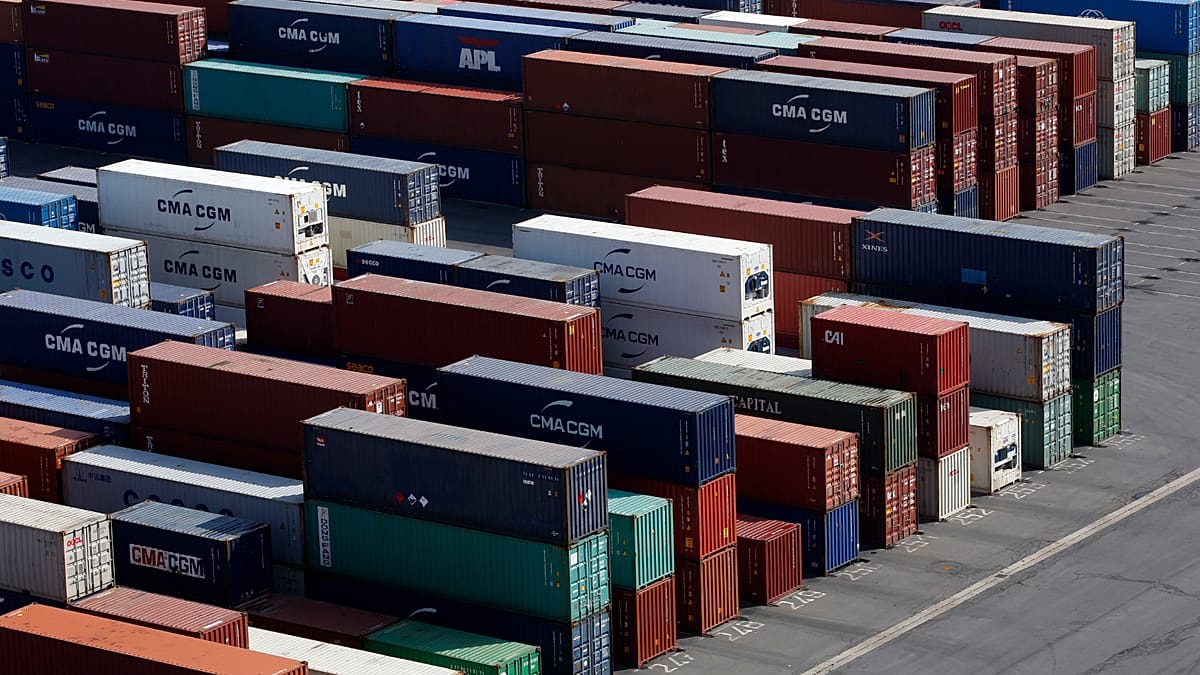
The shoes arrived at France's largest container port in 2011, kicking off one of the longest legal cases customs officers have ever handled. Stored at a secret location, the fake trainers waited while courts worked through years of legal proceedings to hold the importer accountable.
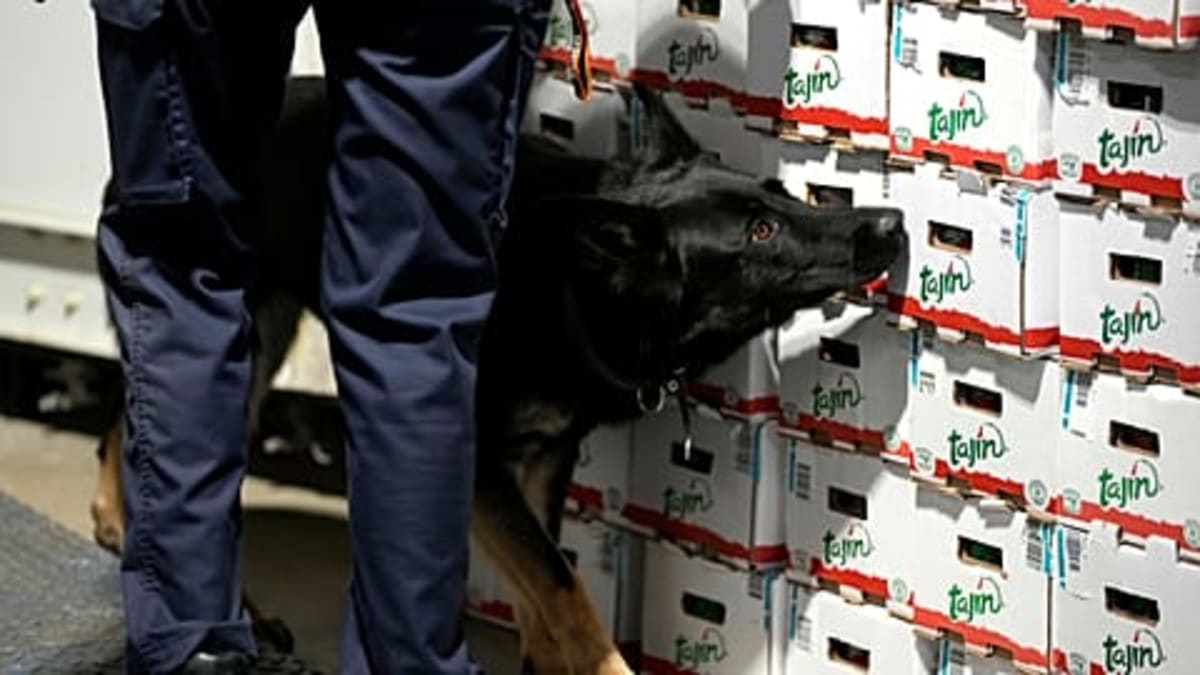
The sentence sends a clear message about the seriousness of counterfeiting. Beyond luxury handbags and designer clothes, customs officers in Le Havre regularly seize fake everyday items like soaps, shampoos, toys, and even car parts that fail to meet safety standards.
Last year alone, France seized more than 20 million counterfeit products, with nearly 1.2 million confiscated in Le Havre. Criminal networks are increasingly drawn to this lucrative trade, flooding markets with copied goods sold at premium prices.
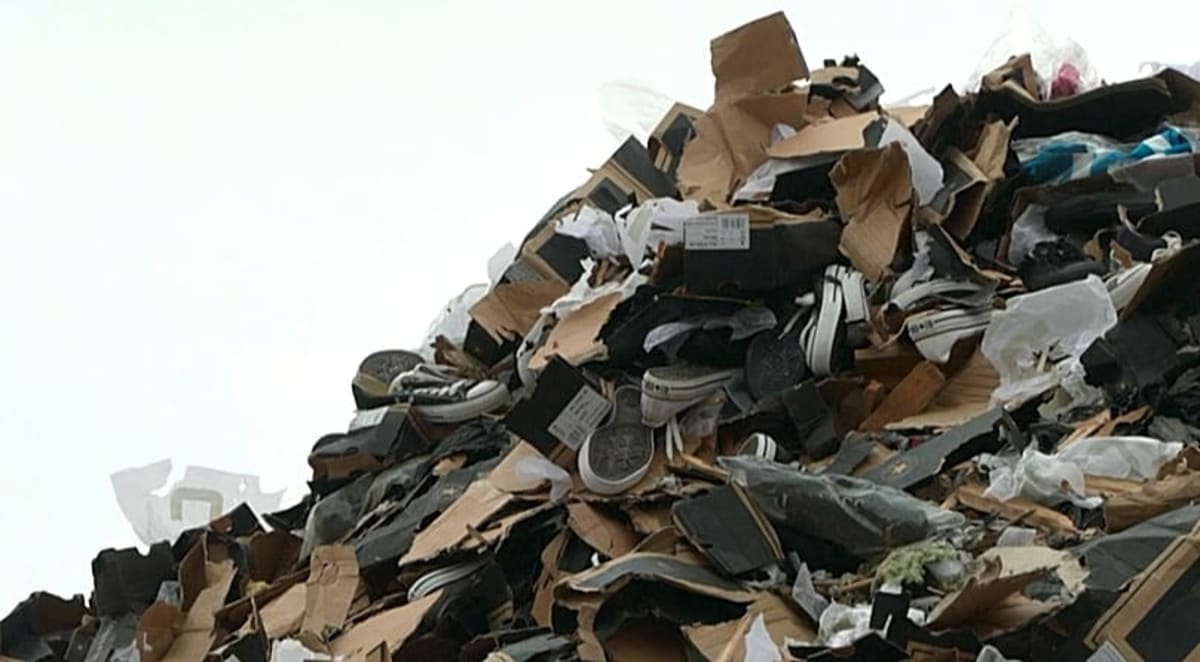
The destruction took place on June 3 at a specialist center. Mobile cranes grabbed and crushed the shoes before feeding them into an industrial shredder, taking just minutes to reduce years of counterfeit operations to scraps.
The Bright Side
While some question whether destroying thousands of shoes wastes resources, customs officials point to an important safety concern. These counterfeits often contain toxic or hazardous materials that could harm unsuspecting consumers, especially in children's toys that can be copied almost instantly after hitting markets.
French law prohibits reselling or redistributing seized counterfeits to prevent them from re-entering commercial channels. Instead, the shredded material gets a second life through energy recovery, either incinerated locally or processed into solid fuel for cement factory boilers.
The 15-year journey from seizure to shredder freed up valuable warehouse space for customs officers. More importantly, it demonstrated France's unwavering commitment to protecting consumers from unsafe products masquerading as legitimate goods, no matter how long justice takes.
More Images

Based on reporting by Euronews
This story was written by BrightWire based on verified news reports.
Spread the positivity!
Share this good news with someone who needs it