France's One-Hour Volunteering Model Fights Burnout
A French nonprofit is solving the volunteer crisis by asking people to give just one hour a month to their community. The flexible approach is bringing people back to civic life without the pressure of long-term commitments.
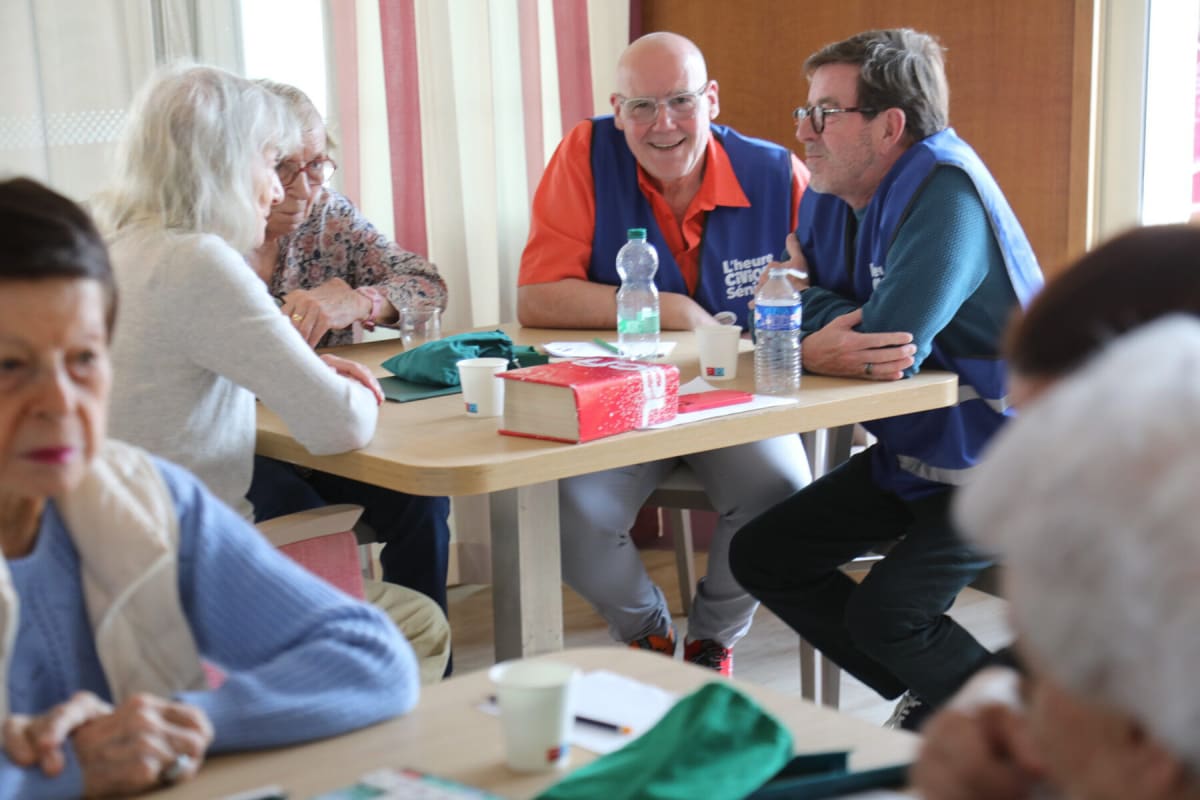
At a Paris nursing home, 104-year-old Nicole Riberolles triumphantly plays "EWE" on her Scrabble board, scoring big points against neighbors who now join her weekly game nights. These energetic volunteers aren't traditional charity workers bound by rigid schedules, but participants in a movement reshaping how France thinks about helping others.
L'Heure Civique, which translates to Civic Hour, asks volunteers for just 60 minutes each month. Founder Atanase Périfan saw a growing problem: people wanted to help their communities but couldn't commit to traditional volunteer schedules that demanded consistent weekly or monthly obligations.
The numbers back up his concern. French volunteering dropped from 29 percent of the population in 2016 to just 24 percent in 2025, according to France Bénévolat. The United States saw similar declines, with formal volunteering hitting its lowest level in two decades at 23.2 percent in 2021.
But people haven't stopped caring. The same research found that informal helping rates stayed steady, suggesting the problem isn't generosity but inflexibility.
L'Heure Civique volunteers choose how they help: tending gardens, delivering groceries, accompanying someone to the doctor, or tutoring schoolchildren. Some months they give more time, others less. The combined hours add up to real impact without burning anyone out.
At Les Artistes nursing home in northwestern Paris, this flexible approach transformed board game afternoons into intergenerational gatherings filled with laughter and friendly competition. Walking sticks and wheelchairs line the walls as volunteers of all ages battle over Scrabble tiles and card games.
The Ripple Effect
The model addresses a modern paradox: we want meaningful connection but feel starved for time. By removing the guilt of inconsistent participation, Civic Hour makes room for real people with real schedules to show up when they can.
Younger generations especially favor this approach, gravitating toward concrete projects and specific causes over open-ended commitments. The program meets them where they are instead of demanding they reshape their lives around traditional charity models.
The flexible structure also builds community ties that formal programs sometimes miss. Volunteers become neighbors helping neighbors, creating organic relationships that extend beyond scheduled hours.
One hour might seem small, but when thousands contribute, those minutes become a movement that proves helping doesn't require sacrificing everything else.
More Images

Based on reporting by Google: volunteers help
This story was written by BrightWire based on verified news reports.
Spread the positivity!
Share this good news with someone who needs it