Frankfurt Sanctuary Wins €1M for Roman Discovery Study
A perfectly preserved Roman sanctuary unearthed beneath a Frankfurt school is getting €1 million to unlock secrets of ancient religious life. The 1,900-year-old site is one of the most significant archaeological finds in Europe this decade.
Construction workers building a new school in Frankfurt accidentally discovered one of the most intact Roman religious sites ever found in Europe, and now scientists are getting over €1 million to study what ancient worshippers left behind.
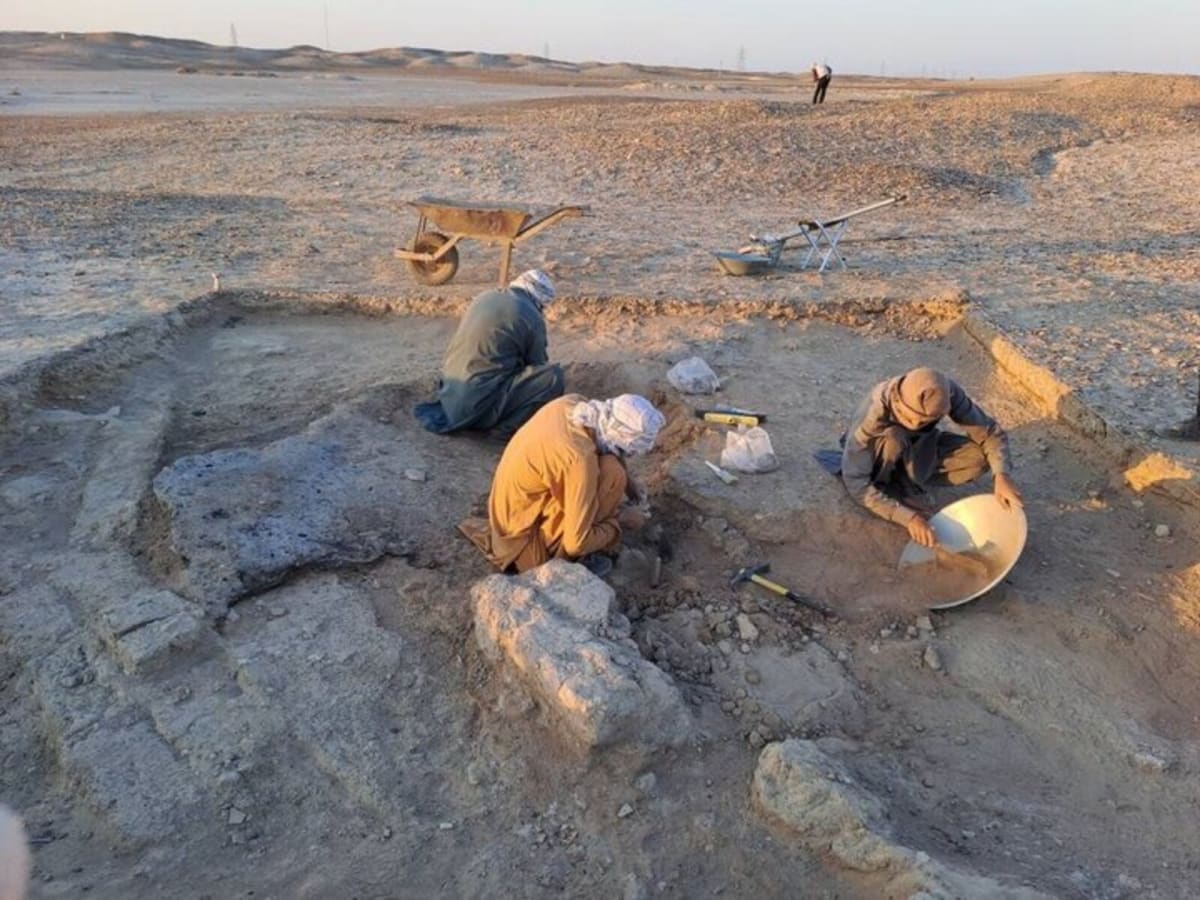
The sanctuary sat hidden for nearly 2,000 years beneath Frankfurt's Heddernheim district. When archaeologists excavated the site between 2016 and 2022, they found something remarkable: a walled sacred complex covering more than 48,000 square feet that remained almost entirely untouched since Roman times.
The German Research Foundation and Swiss National Science Foundation just awarded funding for a three-year project to study the site. Teams from Goethe University Frankfurt, the Archaeological Museum Frankfurt, and the University of Basel will lead the research.
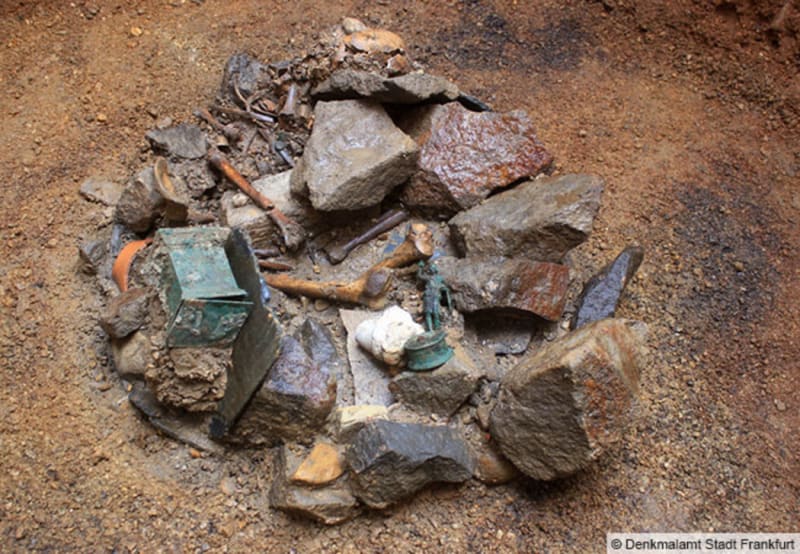
What makes this discovery special is its completeness. The complex includes eleven stone buildings, 70 ritual shafts, and ten offering pits, all preserved exactly where Romans left them in the ancient city of Nida. Most Roman religious sites have been damaged or built over through centuries, making this find nearly unique in Europe.
The artifacts tell vivid stories of Roman spiritual life. Researchers have cataloged over 5,000 fragments of painted wall plaster showing the buildings were richly decorated. They found 254 coins, more than 70 bronze and silver brooches, and thousands of animal bones, fish remains, and plant material from ritual meals and sacrifices.
Evidence suggests worshippers honored multiple gods at the site, including Jupiter, Diana, Apollo, and the Celtic-Roman fertility goddess Epona. This variety indicates the sanctuary served as a major religious center drawing pilgrims from across the region.
Why This Inspires
The sanctuary operated from the early 2nd century until at least the mid-3rd century CE, serving generations of Romans living on the empire's northern frontier. That everyday people invested such care and resources into this sacred space shows how central faith and community were to life in ancient Germania.
The funding ensures scientists can properly analyze every detail, from reconstructing the painted walls to identifying which plants grew in ritual gardens. Modern techniques will help researchers understand not just what happened at the sanctuary, but why it mattered so deeply to the people who built it.
This window into Roman religious life will reshape how scholars understand spirituality and cultural exchange in ancient Europe, all thanks to a school construction project that hit pause when shovels struck history.
More Images
Based on reporting by Google: archaeological discovery
This story was written by BrightWire based on verified news reports.
Spread the positivity!
Share this good news with someone who needs it
%2Fhttps%3A%2F%2Ftf-cmsv2-smithsonianmag-media.s3.amazonaws.com%2Ffiler_public%2Fd4%2F65%2Fd4658cbb-a59c-48fd-a30e-d0405f9c5a46%2Fgettyimages-2266112088.jpg)