Iran's Burnt City Reveals Second Ancient Board Game
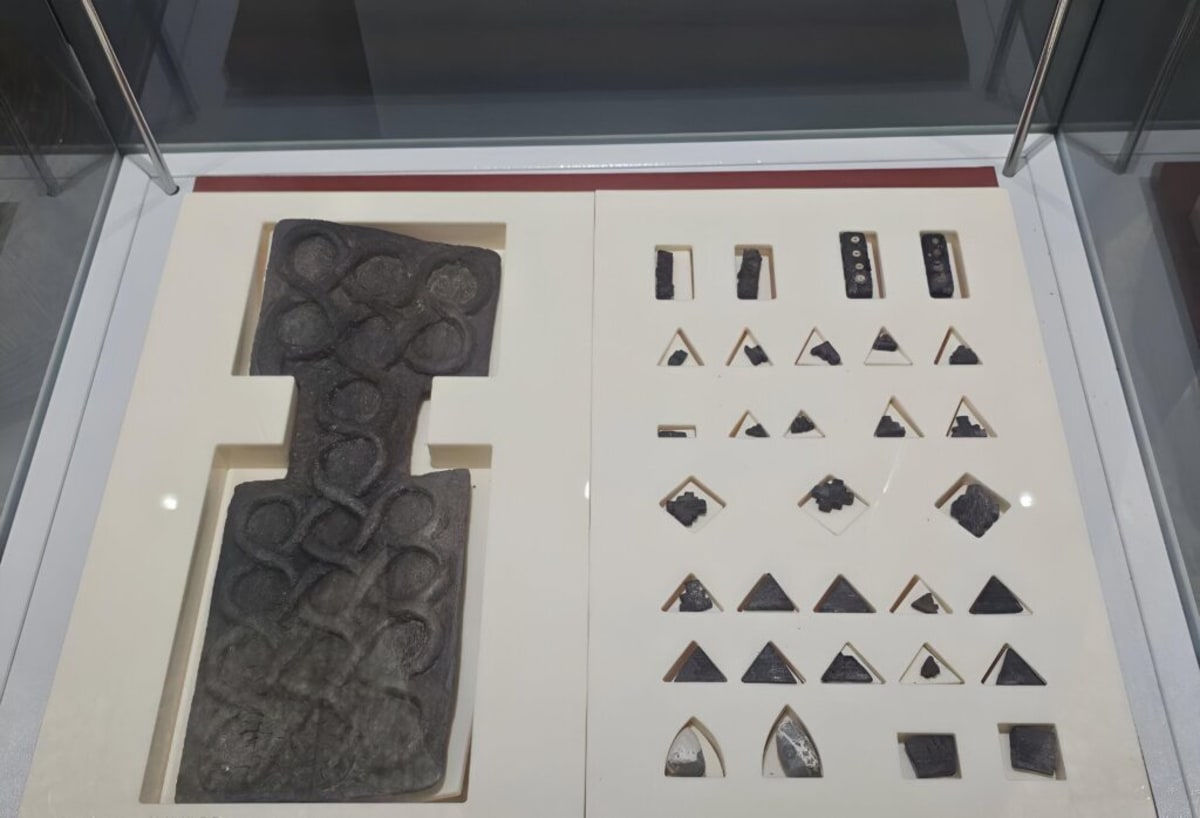
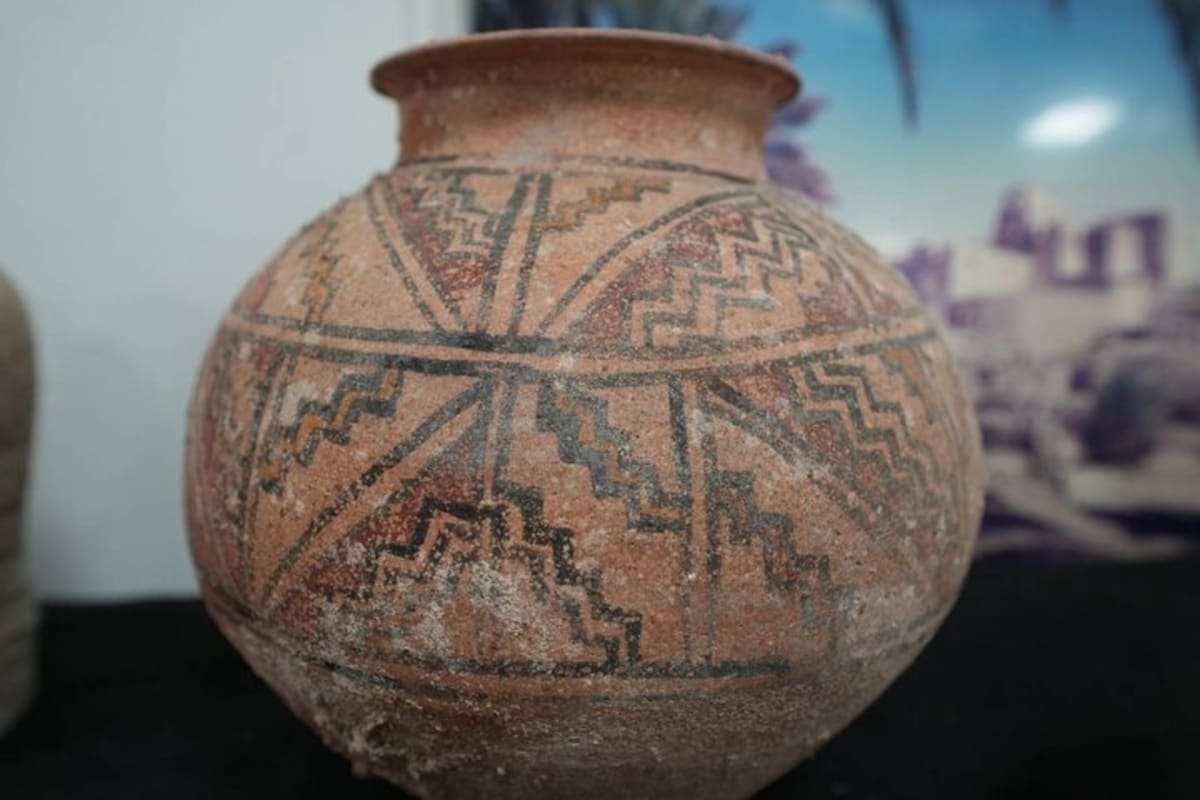
Archaeologists just discovered a 4,600-year-old board game at Iran's Burnt City, proving this Bronze Age society loved games enough to develop multiple traditions. The find joins another famous gaming set from 1977, painting a picture of intellectual life in an ancient urban hub.
A 4,600-year-old board game has emerged from the dust of Iran's Burnt City, and it's rewriting what we know about ancient entertainment.
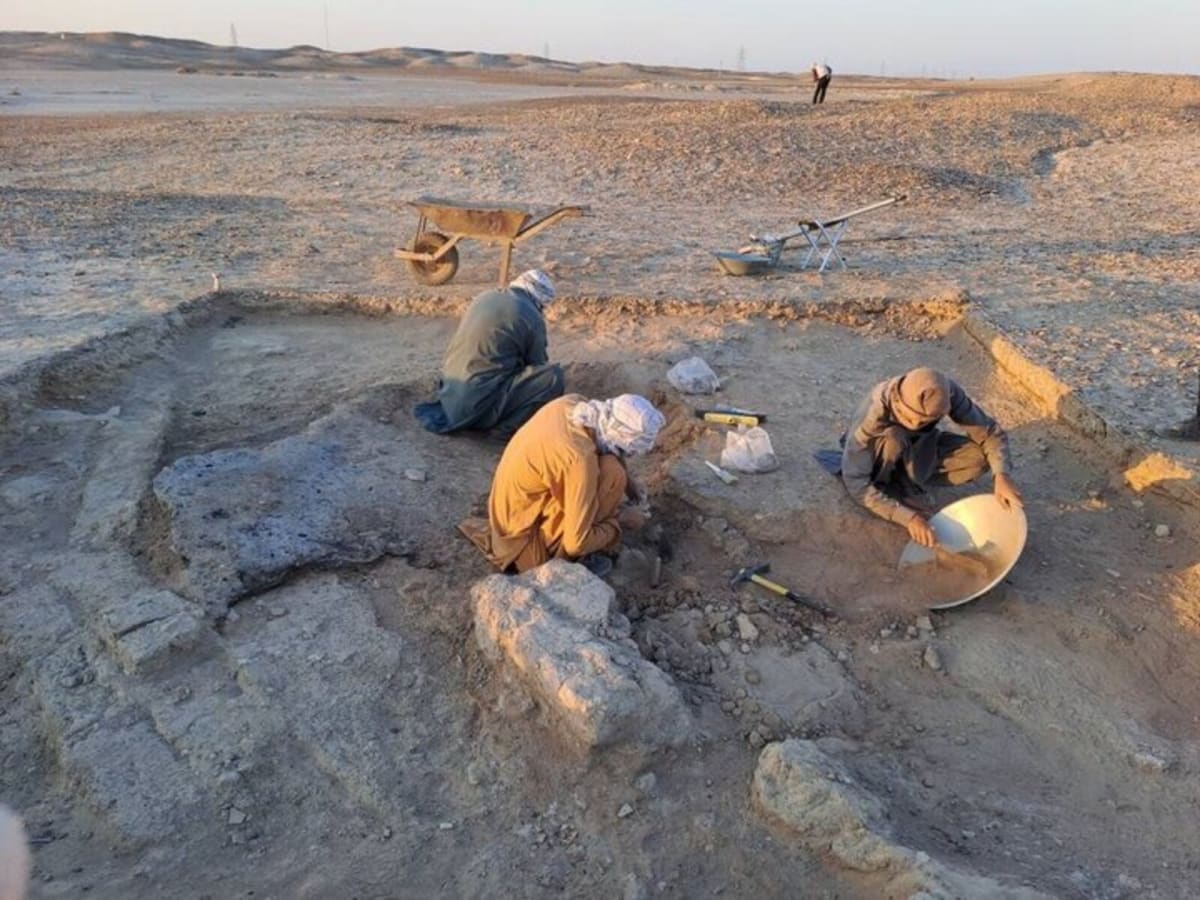
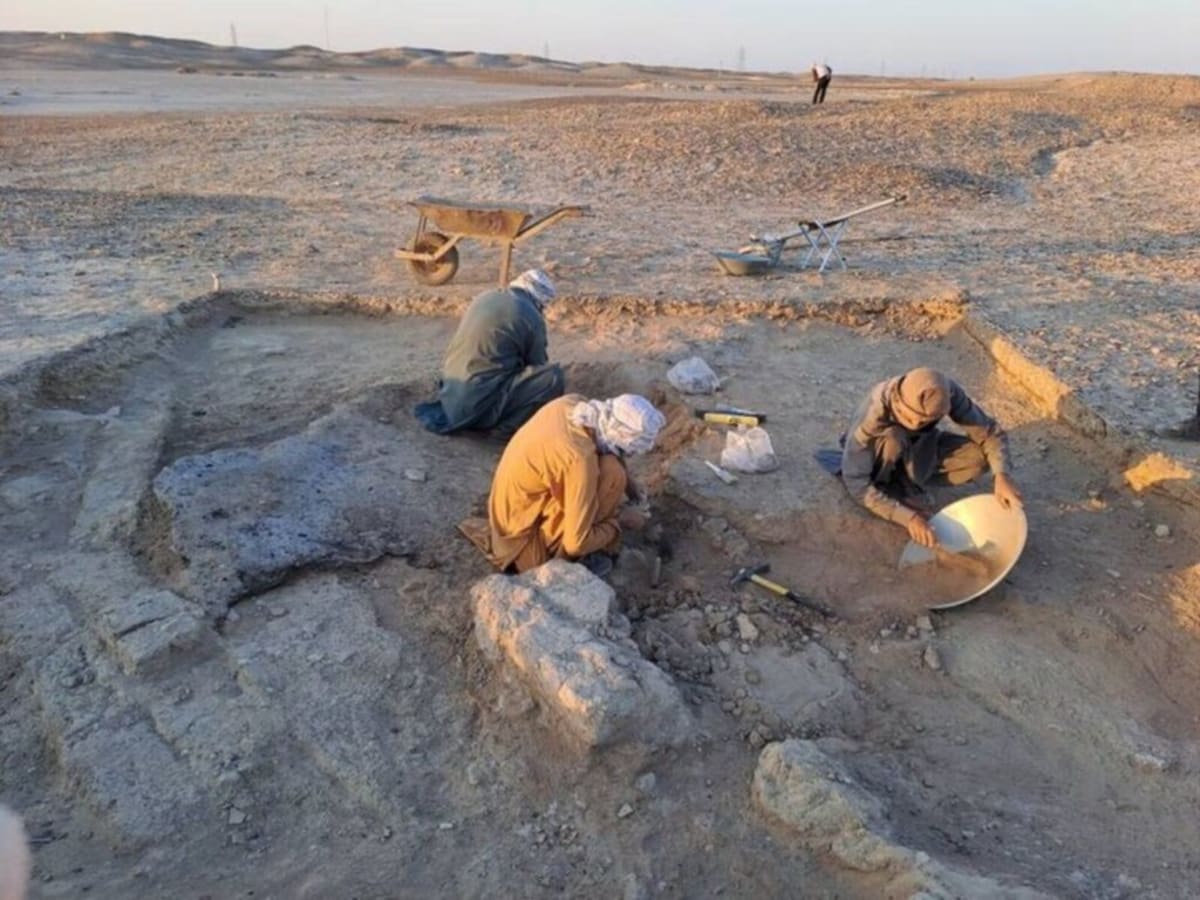
Archaeologists uncovered the game during their 21st excavation season at Shahr-i Sokhta, a UNESCO World Heritage site in southeastern Iran. Team leader Rouhollah Shirazi says this discovery represents a completely different type of board game from anything found at the site before.
That's a bigger deal than it might sound. Back in 1977, researchers found another elaborate gaming set at the same ancient city, complete with a wooden board, 27 pieces, and dice dating to around 2600-2400 BC. That set became famous across the archaeological world, often compared to Mesopotamia's Royal Game of Ur.
The existence of two distinct games at one Bronze Age city tells a surprising story. These weren't people squeezing out survival in a harsh landscape—they were creating multiple forms of intellectual entertainment within the same urban society.
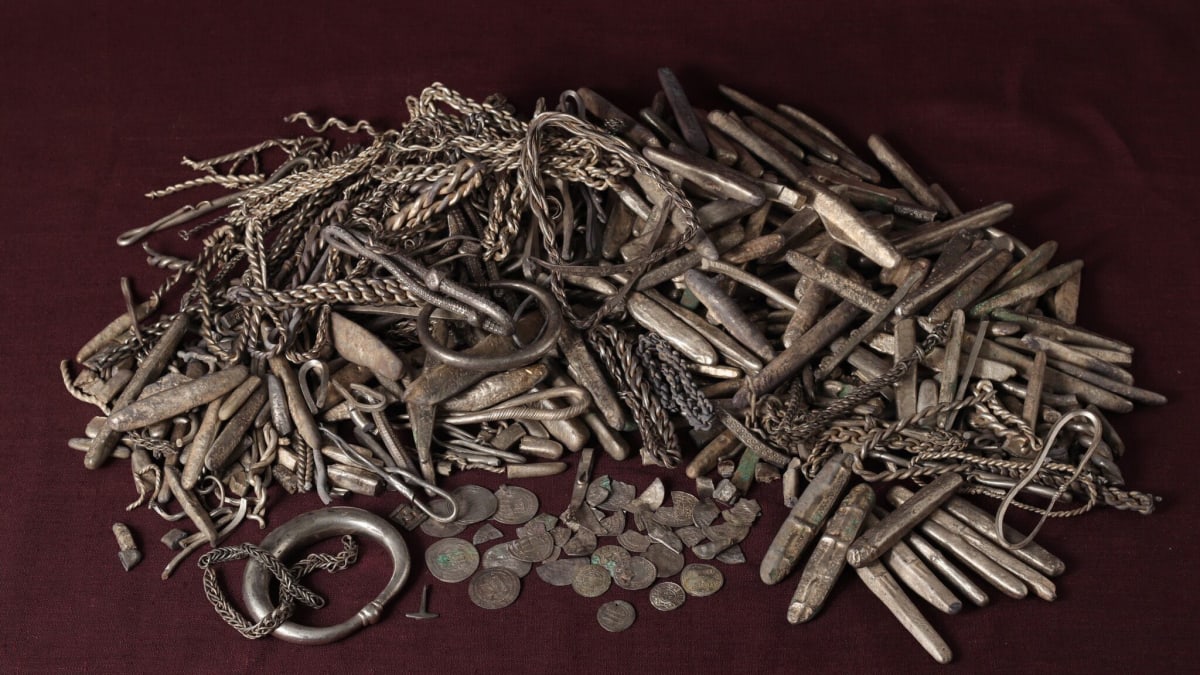
The dry desert conditions at Burnt City preserved far more than just games this season. Excavators also found an engraved bone comb with designs linking to Central Asia, along with traces of textiles, leather, and even egg—materials that normally decompose within years.
The cemetery where many artifacts emerged offers clues about what these objects meant to their owners. People don't typically bury random items with the dead, so the board game's presence suggests it held personal or social significance beyond simple pastime.
The Ripple Effect
Shahr-i Sokhta sat at the crossroads of Bronze Age trade routes connecting the Iranian plateau to Central Asia, the Indus region, and Mesopotamia. The engraved bone comb, with its Central Asian design influences, shows how ideas traveled alongside goods along these ancient highways.
This discovery adds weight to growing evidence that Bronze Age societies invested serious energy in leisure and intellectual pursuits. From Mesopotamia to Iran to the Indus Valley, people weren't just surviving—they were thinking, playing, and creating culture.
The excavation team hasn't yet released the technical details needed to understand how the new game was played or whether all its pieces survived. Those answers will require detailed publication and analysis, potentially including comparisons with other ancient gaming traditions.
For now, the discovery stands as a reminder that humans have always sought ways to challenge their minds and connect with each other—whether 4,600 years ago or today.
More Images
Based on reporting by Google: archaeological discovery
This story was written by BrightWire based on verified news reports.
Spread the positivity!
Share this good news with someone who needs it
%2Ffile%2Fattachments%2F2997%2F14251642_618187.jpg)