Jerusalem Dig Confirms Biblical Garden at Crucifixion Site
Archaeologists excavating beneath Jerusalem's Church of the Holy Sepulchre found ancient seeds and pollen matching the Gospel of John's description of a garden at Jesus' burial site. The discovery adds fresh support to biblical details once dismissed by skeptics.
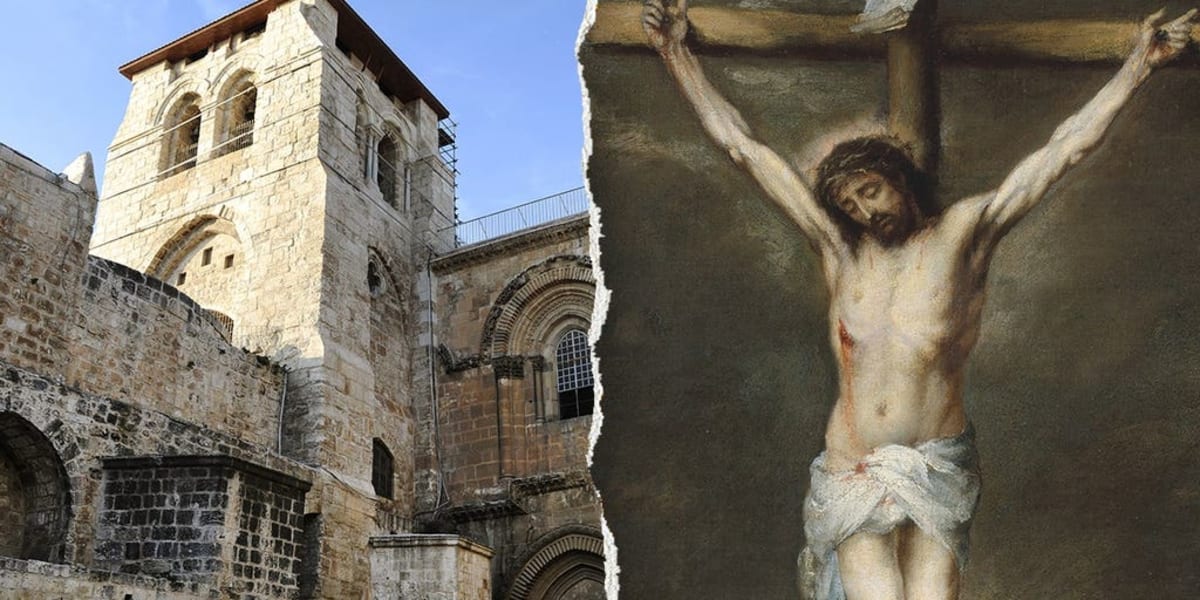
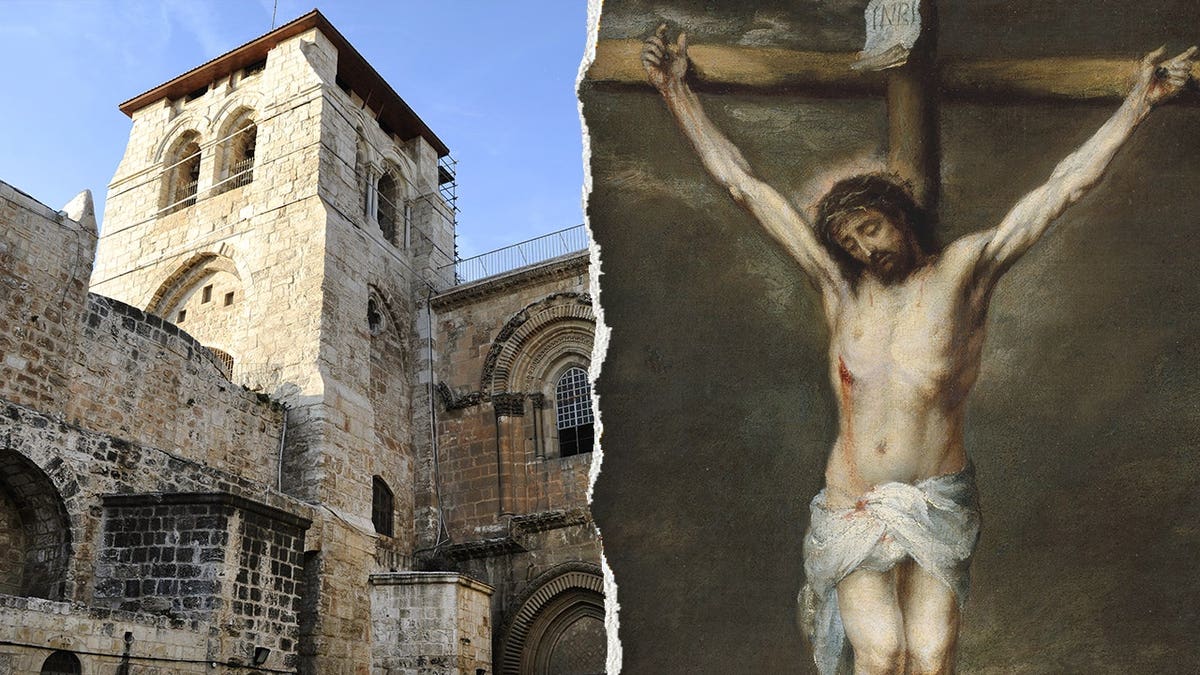
Archaeologists working beneath one of Christianity's most sacred sites have uncovered evidence that confirms a detail skeptics once doubted: there really was a garden where Jesus was buried.
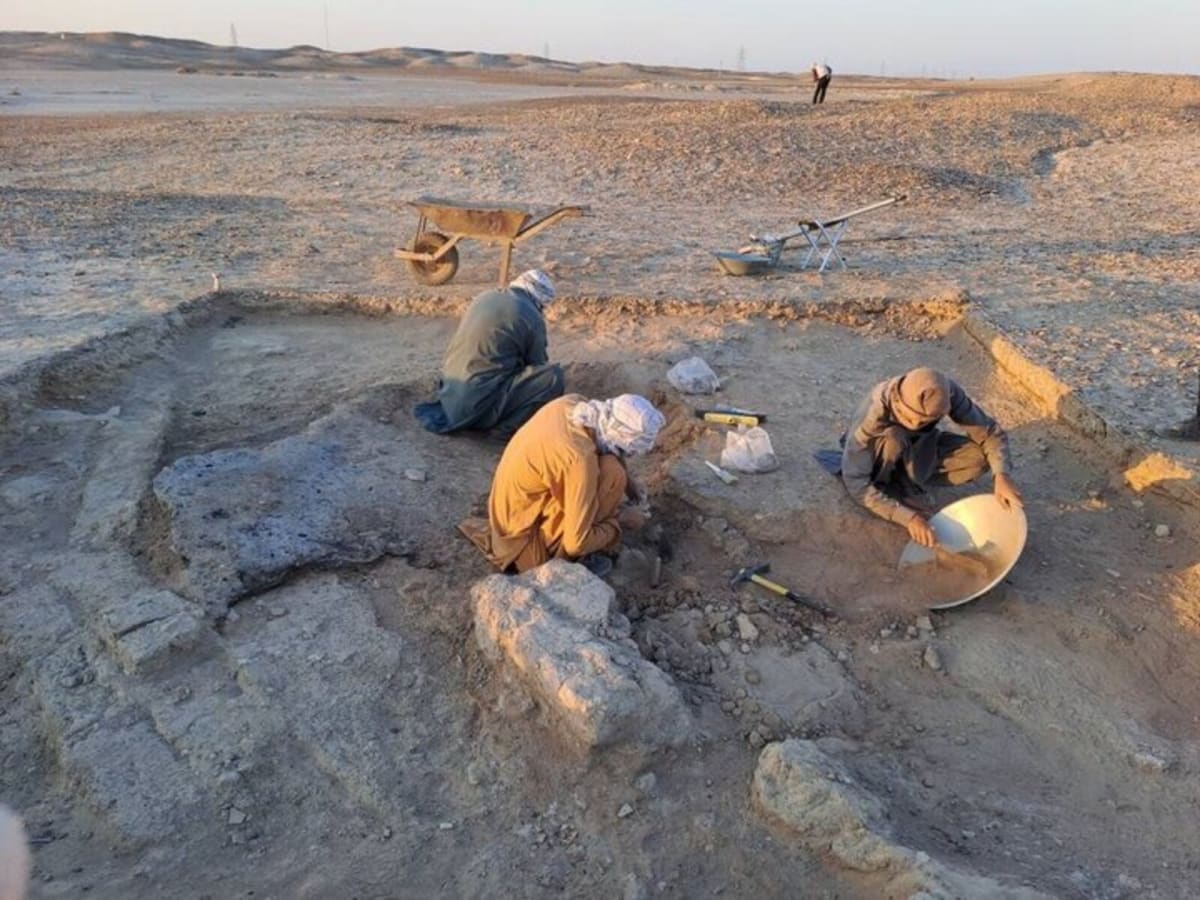
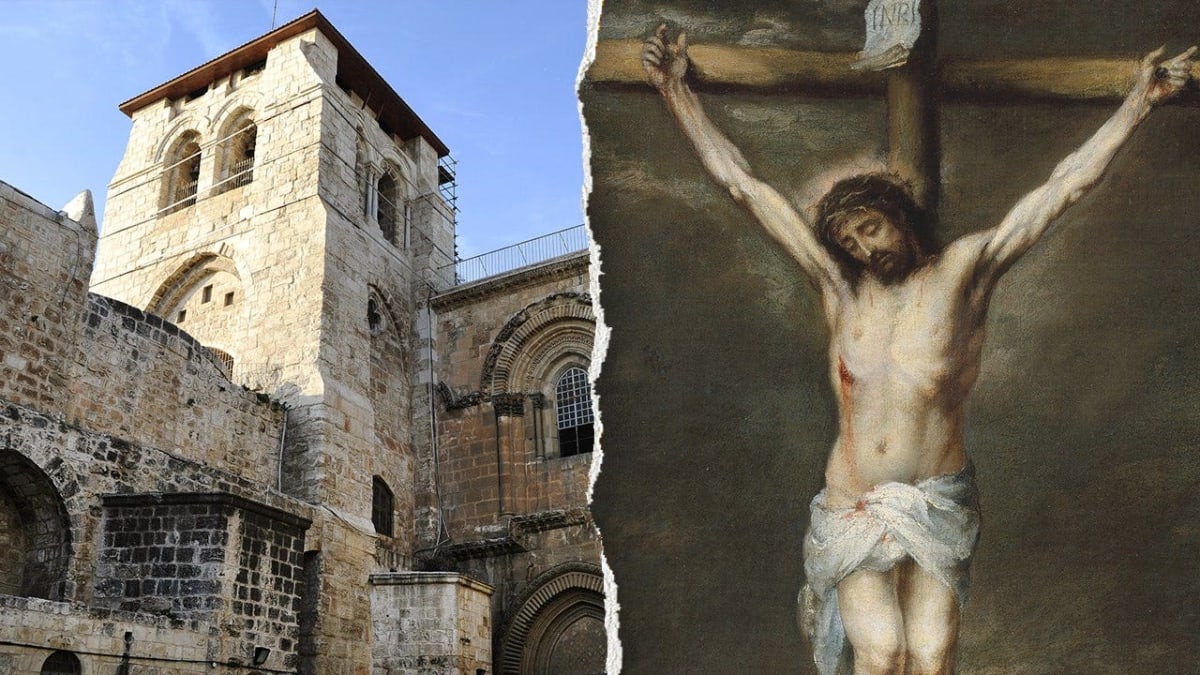
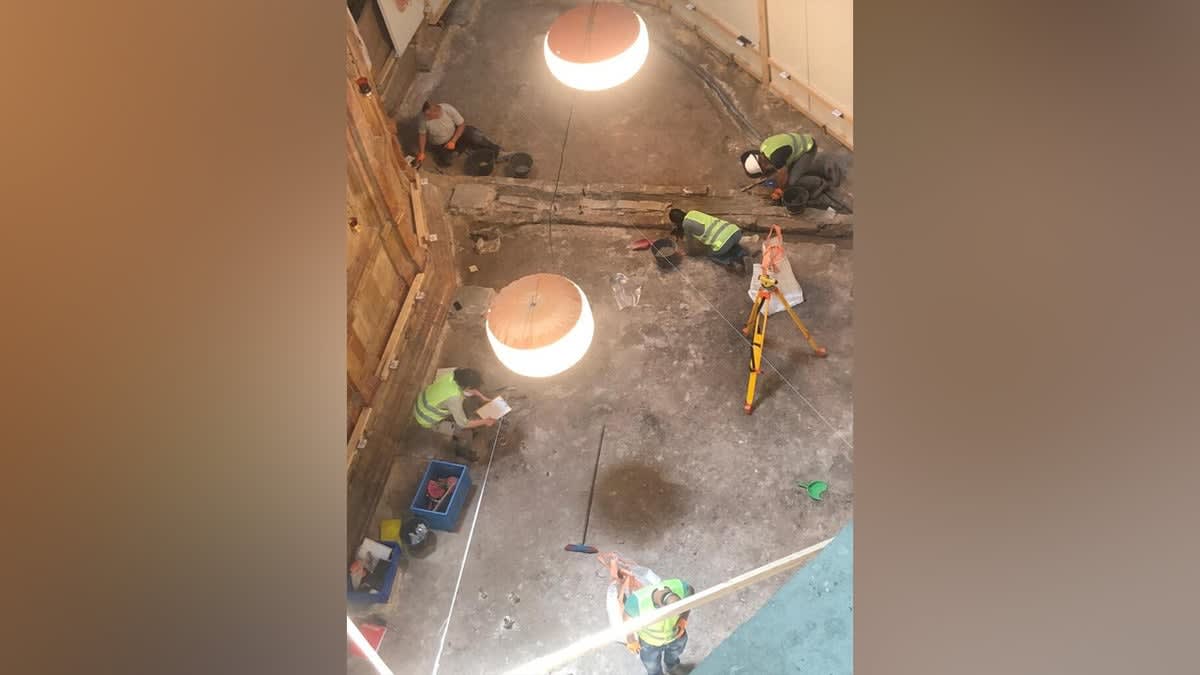
Professor Francesca Stasolla from Sapienza University of Rome led the 2025 excavation at Jerusalem's Church of the Holy Sepulchre, the traditional site of Jesus' crucifixion and burial. Her team discovered ancient seeds and pollen in soil layers dating to the first century.
The findings align perfectly with John 19:41, which states: "Now in the place where he was crucified there was a garden, and in the garden a new tomb in which no one had yet been laid." The botanical evidence dates to the period between the site's use as a stone quarry and its later transformation into a burial ground.
Stasolla explained that as the quarry was gradually abandoned, the area transitioned to agricultural use with garden plots and tombs. This matches exactly what the landscape would have looked like during Jesus' time.
The Church of the Holy Sepulchre has drawn Christian pilgrims for nearly 1,700 years, since Roman Emperor Constantine identified it as Jesus' burial place in the fourth century. But only now are researchers reconstructing the ancient landscape with archaeological precision.
Why This Inspires
Douglas Estes, an early Christianity scholar at New College of Florida, says these findings matter because the Gospel of John has long been dismissed as less reliable than other biblical accounts. Critics argued it contained exaggerations and inaccuracies.
Yet archaeology keeps proving John right. In the 19th century, scholars doubted John's description of five colonnades at the Pool of Bethesda. Later excavations confirmed all five existed.
Now the garden detail has been verified too. "The Gospel of John has been proven to be accurate again in the details," Estes told reporters.
He describes this as an exciting era for biblical archaeology, from the Dead Sea Scrolls to discoveries about Jesus' life. Each finding helps scholars better understand first century Judaism and Christianity.
For believers and history enthusiasts alike, these discoveries bridge the gap between ancient texts and physical evidence, turning written accounts into tangible reality beneath Jerusalem's streets.
More Images

Based on reporting by Fox News Travel
This story was written by BrightWire based on verified news reports.
Spread the positivity!
Share this good news with someone who needs it