Frankfurt Uncovers Oldest Roman Military Camp in Germany
Archaeologists in Frankfurt discovered a 2,000-year-old Roman military camp during palace renovations, revealing surprising evidence of peaceful cooperation between Romans and local communities. The rare find challenges long-held beliefs about hostile Roman expansion into ancient Germania.
A palace garden renovation in Frankfurt just uncovered something ancient residents buried 2,000 years ago: the city's oldest Roman military camp, complete with French coins, fine ceramics, and evidence that Romans and locals may have been friends, not enemies.
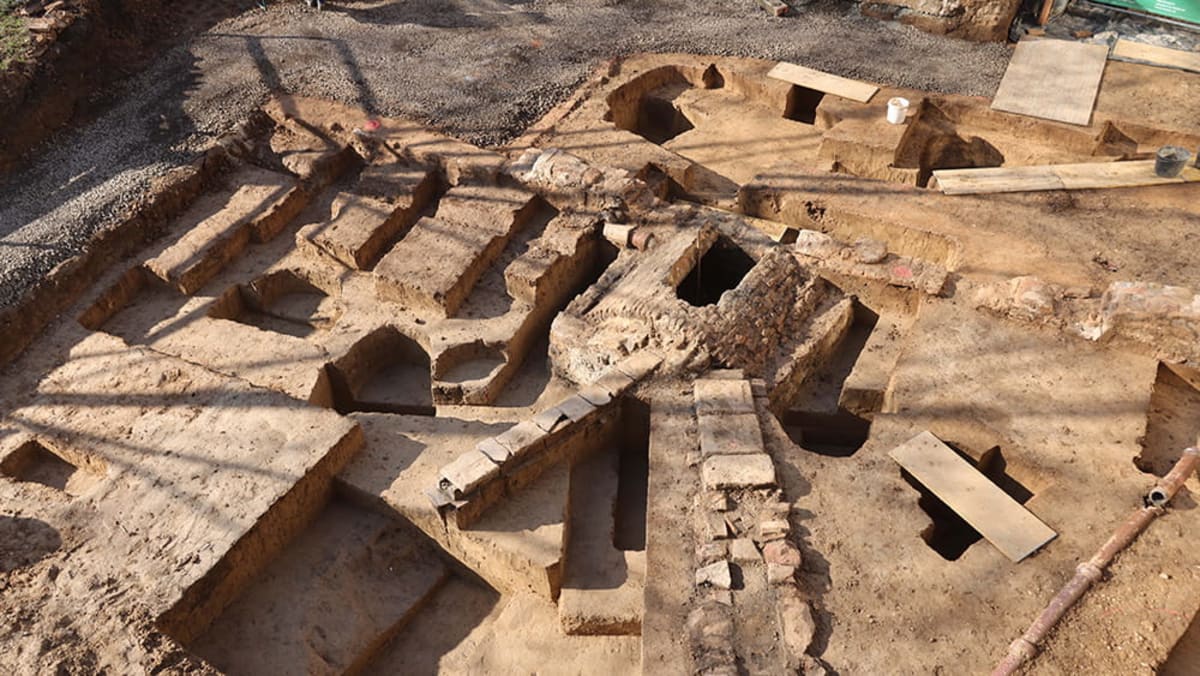
Workers restoring the historic Bolongaropalast in Frankfurt's Höchst district stumbled upon the exceptionally preserved camp dating to around year 0. The site sat near where the Nidda and Main rivers meet, giving Romans perfect access to waterways and trade routes during their expansion into Germania under Emperor Augustus.
The discovery stands out because early Roman camps rarely leave much behind. Soldiers typically stayed briefly and moved on, leaving archaeologists with little to find. This camp, however, housed troops for several years, creating a treasure trove of artifacts that tell a richer story.
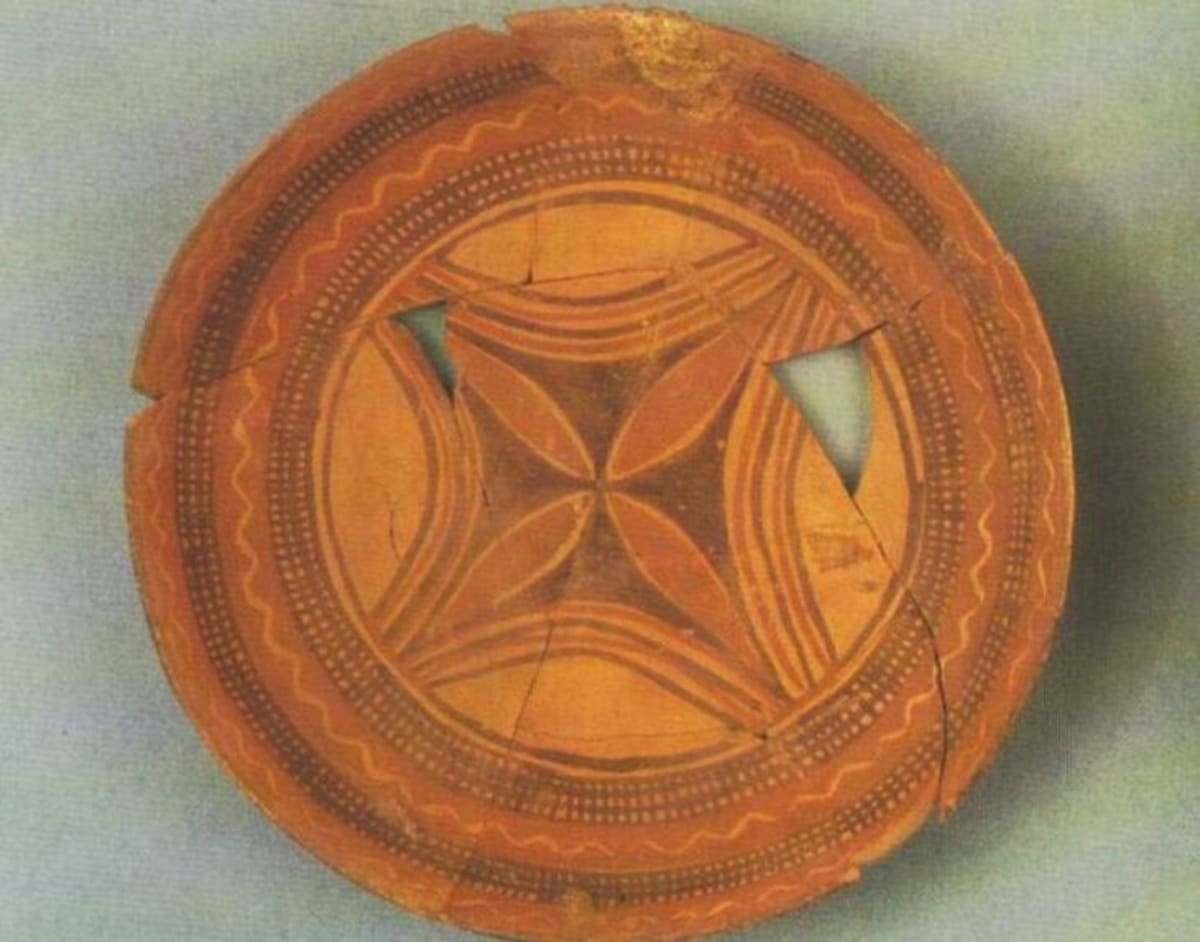
Excavation leader Elke Sichert and her team found luxury goods from modern-day France and Belgium alongside local pottery. The imported items prove this wasn't just a temporary outpost but a strategically important settlement plugged into the Roman Empire's vast trade networks.
Mayor Mike Josef called it "a unique testimony of early Roman history," noting the find helps trace how Roman influence spread through the region while enriching Frankfurt's own historical narrative.
The Ripple Effect
The most exciting part? What the camp reveals about Roman-Germanic relations flips the script on popular imagination. We've all seen stories of Romans and Germanic tribes locked in constant battle, but this site tells a different tale.
Heritage department head Andrea Hampel found no evidence of violence or destruction. Instead, local ceramics mixed with Roman goods suggest cooperation and cultural exchange. Romans and indigenous communities apparently traded, shared meals, and coexisted peacefully during these initial encounters.
The camp housed both Roman citizen legionaries and auxiliary troops from allied tribes, reflecting the diverse military structure Rome used during expansion. This mix of cultures likely encouraged the cooperation evident in the archaeological record.
The excavation began in 2016 as part of the palace restoration project. Dense urban development in Höchst makes large-scale archaeological digs rare, so archaeologists Denis Neumann and Rolf Skrypzak are making every carefully preserved artifact count.
Frankfurt may be famous for its medieval towers and modern skyline, but this discovery proves ancient civilizations still hide just beneath the surface, waiting to remind us that human connection often trumps conflict.
More Images

Based on reporting by Google: archaeological discovery
This story was written by BrightWire based on verified news reports.
Spread the positivity!
Share this good news with someone who needs it