Free School Lunches Triple Nationwide, Show Real Benefits
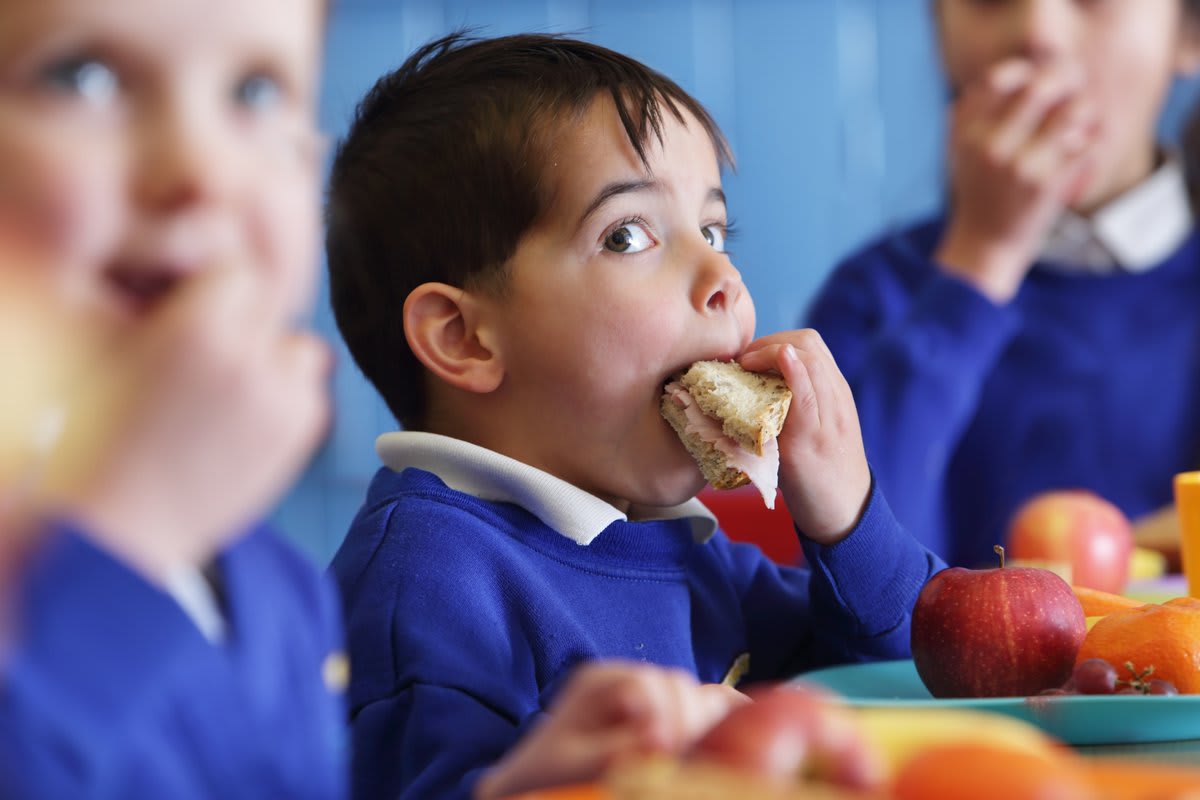
More than 4.87 billion free school lunches were served to American students last year as universal meal programs tripled since 2017. While test score impacts remain unclear, experts confirm these programs deliver major financial relief and reduce hunger for millions of families.
Millions more American kids are eating free meals at school, and the numbers tell a story of quiet progress happening in cafeterias nationwide.
The number of students enrolled in schools offering universal free meals has more than tripled since the 2016-2017 school year. Last year alone, federal programs funded over 4.87 billion school lunches, making it the second largest food assistance program in the country.
Seattle's public schools just joined thousands of other districts this summer in offering free lunch to every student, regardless of family income. Cities and states from New York to South Carolina are jumping on board, using both local and federal dollars to make sure no kid goes hungry during the school day.
The program costs about $17.2 billion annually, which sounds like a lot until you compare it to other educational interventions. "In terms of an intervention, it's cheap compared to almost any of the other things that you might be thinking of to improve your school," says Amy Ellen Schwartz, a professor of public policy at the University of Delaware.
Research shows these programs deliver real wins beyond just filling bellies. Studies in New York City middle schools found modest test score improvements for students who weren't previously eligible for free meals. Similar gains showed up in South Carolina elementary schools after universal programs launched.
But the biggest benefits might not show up on standardized tests at all. Universal programs eliminate the stigma that comes with being a "free lunch kid." Every student gets the same meal, no applications required, no embarrassing lunch lines separating those who can pay from those who can't.
The Ripple Effect
The impact extends far beyond school walls. Families save hundreds of dollars per child each year, money that can go toward rent, medicine, or other essentials. Schools report better attendance and fewer behavior problems when kids aren't dealing with hunger.
Professor Orgul Ozturk started researching these programs after her child's school adopted one. "Benefits are positive, even when they are small, considering it's not a very costly program in some ways," she explains.
The evidence on academic performance remains mixed, with different studies showing different results. But food security, financial relief, and social equity aren't small wins for the families who benefit.
As more districts adopt these programs, they're betting that a well-fed student is better positioned to learn, grow, and thrive.
More Images


Based on reporting by Scientific American
This story was written by BrightWire based on verified news reports.
Spread the positivity!
Share this good news with someone who needs it