French Scientists Crack Code on Solar Panels That Shield Crops
Researchers just solved a puzzle that could help farmers grow food and generate clean energy at the same time. Their discovery shows exactly how to position solar panels to protect plants from extreme weather while producing power.
Scientists at French energy company EDF have figured out the best way to position solar panels over crops to shield them from frost and heat waves without blocking their growth.
The breakthrough could transform how we think about farmland. Instead of choosing between growing food or generating solar energy, farmers might soon do both on the same plot.
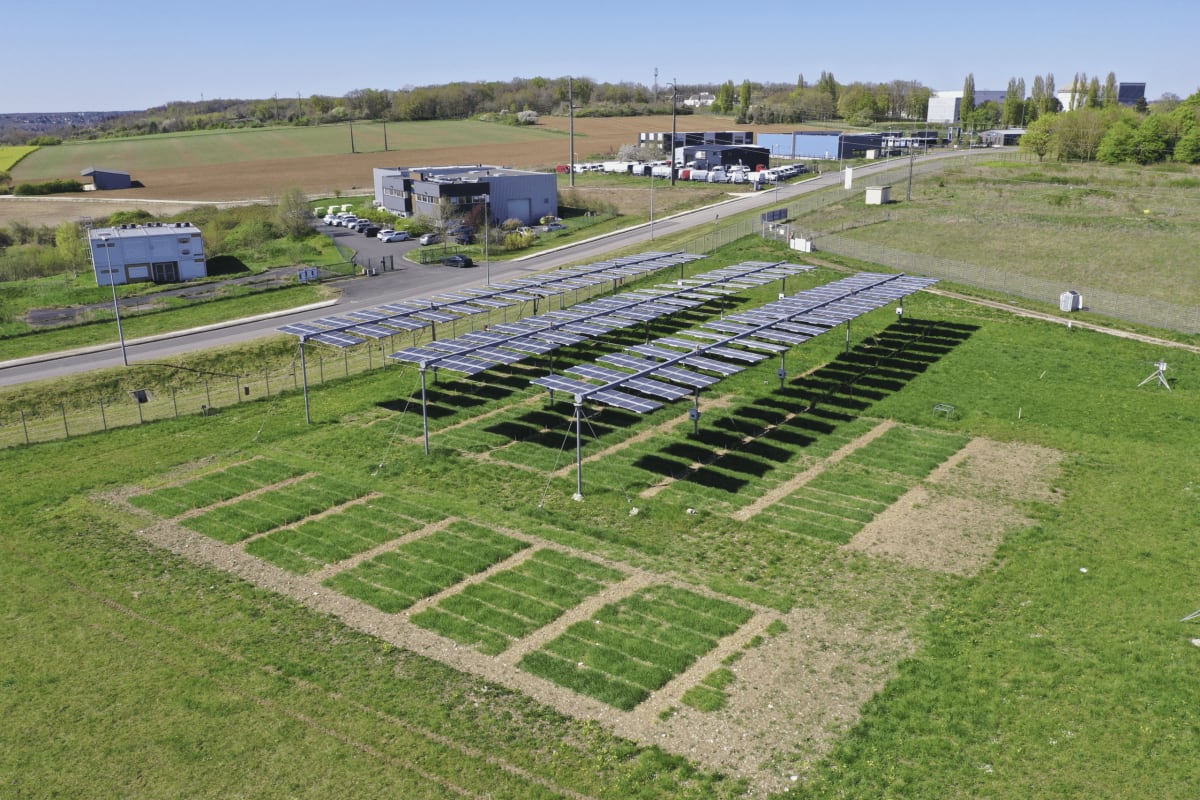
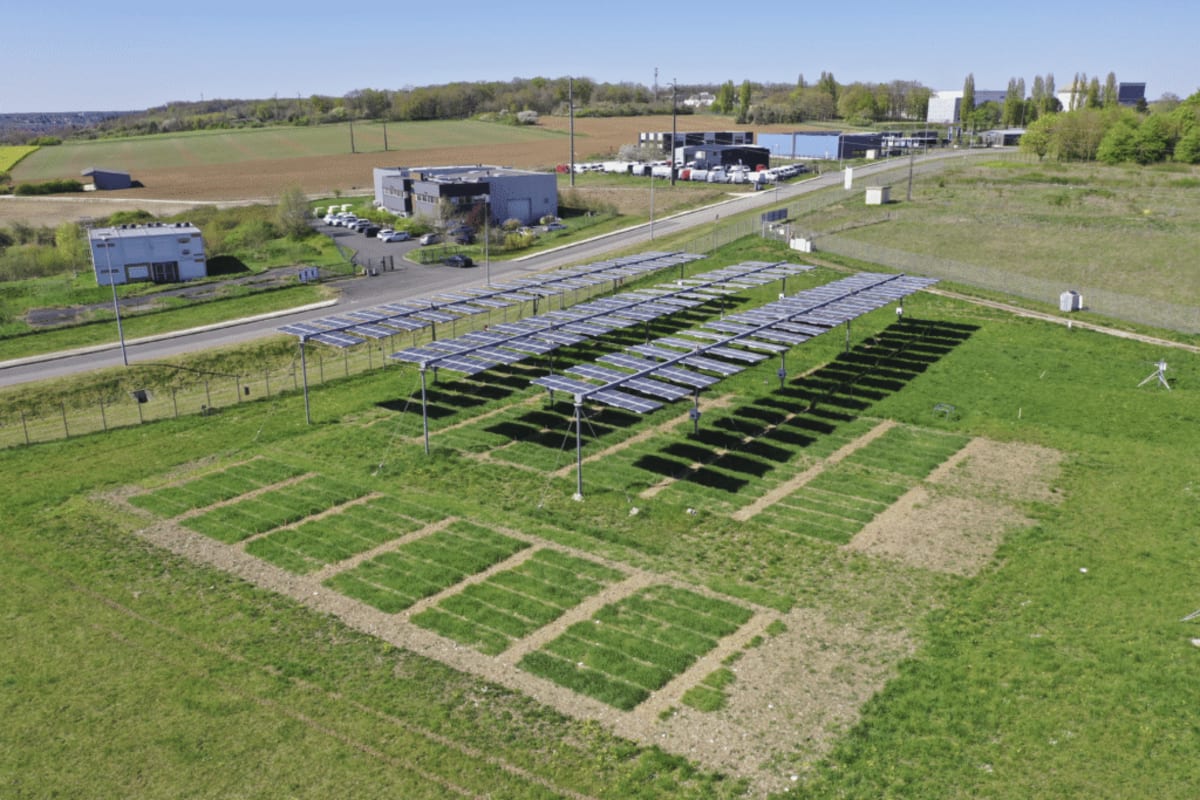
The research team tested six different solar panel designs at their experimental farm near Paris. They used advanced computer modeling to simulate how each setup affected plants during heat waves, windy spring days, and freezing nights.
The winner? Panels mounted high above crops, about 15 feet off the ground.
These elevated systems worked like an invisible shield. During cold nights, they trapped warmth radiating from the ground, protecting plants from frost damage. On scorching days, they blocked the most intense radiation while still letting enough light through for photosynthesis.
Lower panels helped reduce wind stress but couldn't match the protection against temperature extremes. Vertical panel designs also showed promise by cutting wind speed and turbulence that can damage crops.
Lead scientist Joseph Vernier tested the systems at EDF's pilot farm, which has been running since 2019. The site features three rows of solar panels stretching 80 feet long, with sensors measuring everything from plant temperature to soil moisture.
The computer models proved remarkably accurate. They predicted plant temperatures within 2 degrees Fahrenheit on freezing nights and within 5 degrees on hot days.
The research revealed something surprising: protecting crops from stress might matter just as much as giving them sunlight. During extreme weather, even well-lit plants struggle to grow if they're fighting heat or frost.
The Bright Side: This isn't just about making farming more efficient. As climate change brings more extreme weather, these dual-purpose systems could help farmers protect harvests while producing clean energy. The same acre of land could feed families and power homes.
The French team is now working to run longer simulations that predict how different designs perform across entire growing seasons. They're also improving their models to account for rainfall patterns and more complex crop structures.
For farmers facing unpredictable weather and rising energy costs, this research offers a path forward that doesn't require choosing between two vital needs.
More Images


Based on reporting by PV Magazine
This story was written by BrightWire based on verified news reports.
Spread the positivity!
Share this good news with someone who needs it