French Startup Gives Old EV Batteries a Second Life
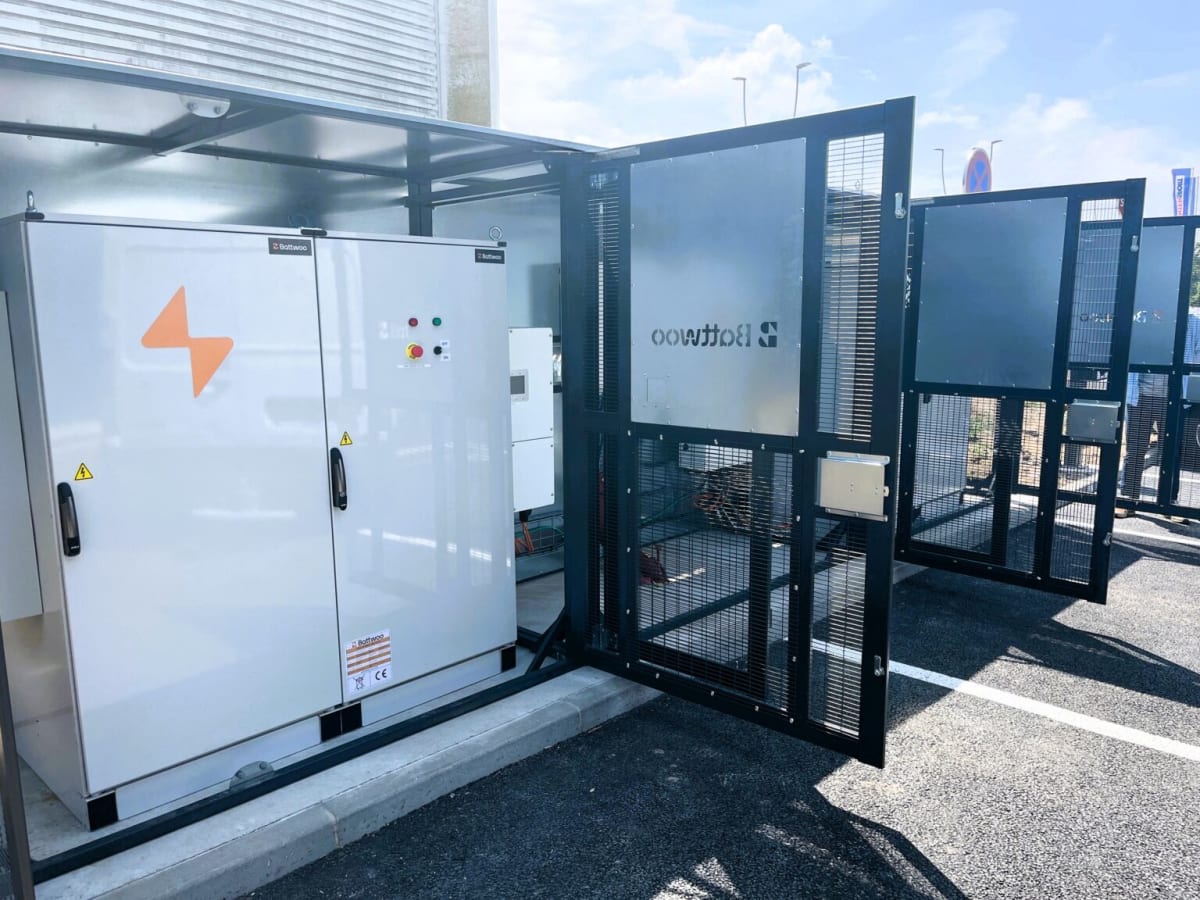
Electric vehicle batteries that still have 70% capacity left are getting a second career storing solar energy in France. A startup is cutting costs by 30% while reducing carbon footprints to one-quarter of new batteries.
Thousands of electric vehicle batteries get retired every year while they're still capable of doing great work. French startup Battwoo saw an opportunity where others saw waste.
The company collects used EV batteries that still hold 70% to 80% of their original power. After thorough testing at their Madrid workshop, batteries with over 80% capacity get transformed into storage systems for solar farms and businesses.
"Every year, thousands of electric vehicle batteries reach the end of their first life while still retaining most of their capacity," says Melchior Martinache, Battwoo's commercial director. "At the same time, solar power growth raises a major challenge: how can we make the best use of solar electricity when it's not consumed immediately?"
The timing couldn't be better. As more businesses install solar panels, they need ways to store daytime energy for nighttime use. New battery systems are expensive, but Battwoo's refurbished option costs 30% less.
A padel club in northern France recently installed a 350 kWh system made from 56 battery modules. That's equivalent to five electric vehicles worth of storage. The club now captures excess solar power during the day and uses it to light their courts after sunset.
An apple cooperative called Les Fruits de Saint-Aubin uses a similar setup to power their cold storage facilities and sorting line. The system helps them run operations around the clock using their own solar energy instead of pulling from the grid.
The Ripple Effect
Battwoo estimates their approach extends battery lifespans from 15 years to 30 years. That's double the useful life from a single battery, keeping them out of recycling facilities for decades longer.
The environmental math is compelling. By giving batteries a second career, the company reduces the carbon footprint to just one quarter of manufacturing new batteries. That means less mining, less manufacturing, and less energy spent creating replacement systems.
The company is starting small with projects under 500 kWh while they perfect their testing and safety protocols. Three more installations are in the works, and Martinache says they'll gradually scale up to 1 to 3 MWh systems.
For businesses trying to maximize their solar investments, the combination of lower costs and sustainability makes sense. They get reliable energy storage at a better price while reducing their environmental impact.
What started as a solution to battery waste is becoming a practical answer to solar storage needs.
More Images


Based on reporting by PV Magazine
This story was written by BrightWire based on verified news reports.
Spread the positivity!
Share this good news with someone who needs it