French Town Unearths 25,000 Ancient Roman Coins
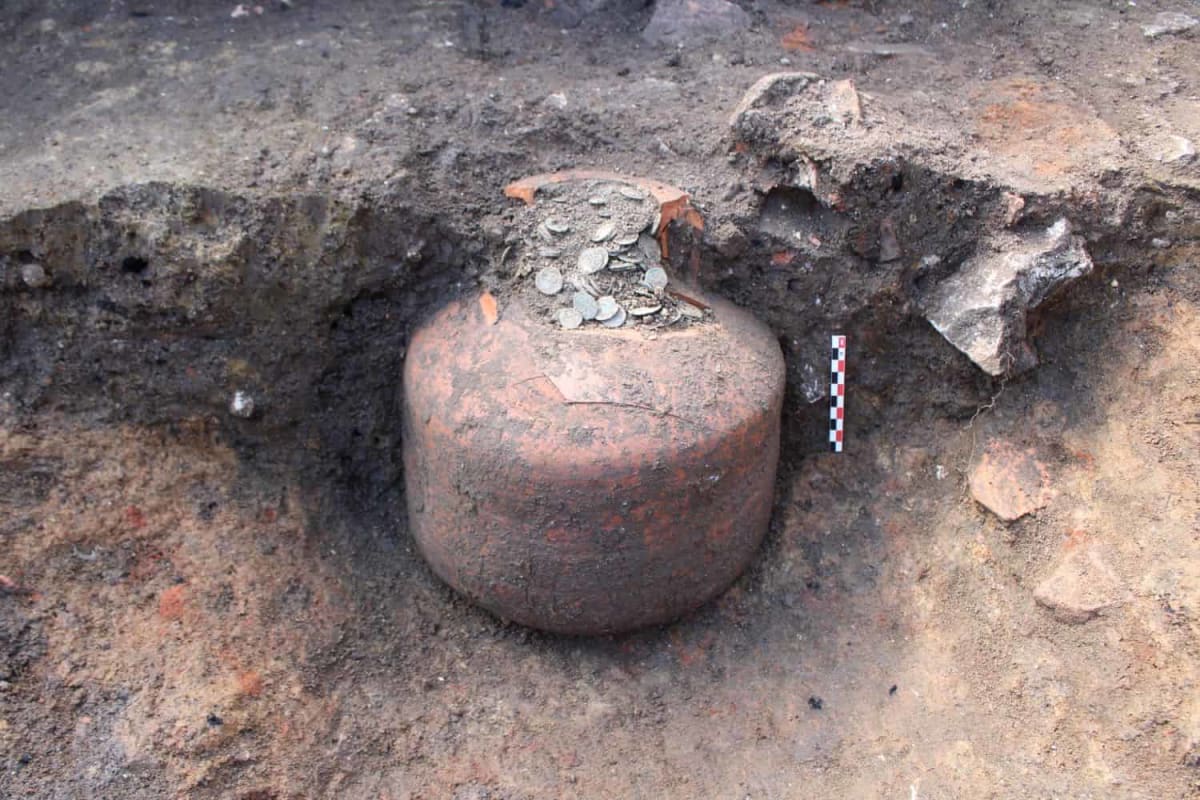
Archaeologists in France discovered three ceramic jars containing at least 25,000 Roman coins hidden beneath floorboards 1,800 years ago. The find reveals how ordinary families in the Roman Empire stored their savings like ancient piggy banks.
Imagine finding your great-great-great-grandparents' life savings tucked under the kitchen floor, except multiply that by 80 generations. That's what archaeologists just experienced in Senon, France, where three large ceramic jars packed with at least 25,000 bronze and copper coins emerged from beneath an ancient Roman neighborhood.
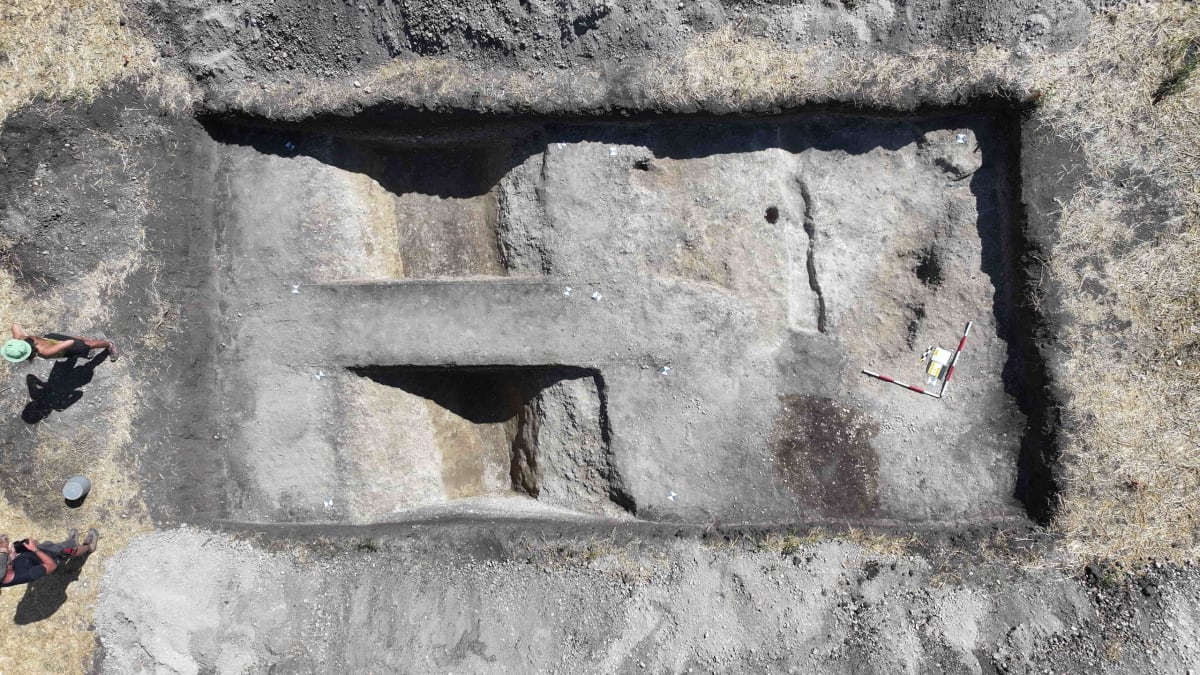
The discovery happened during a routine dig by France's National Institute for Preventive Archaeological Research. The team was excavating 1,500 square meters when they found the vessels sunk into the ground with their necks level with the floor, perfectly positioned for easy access.
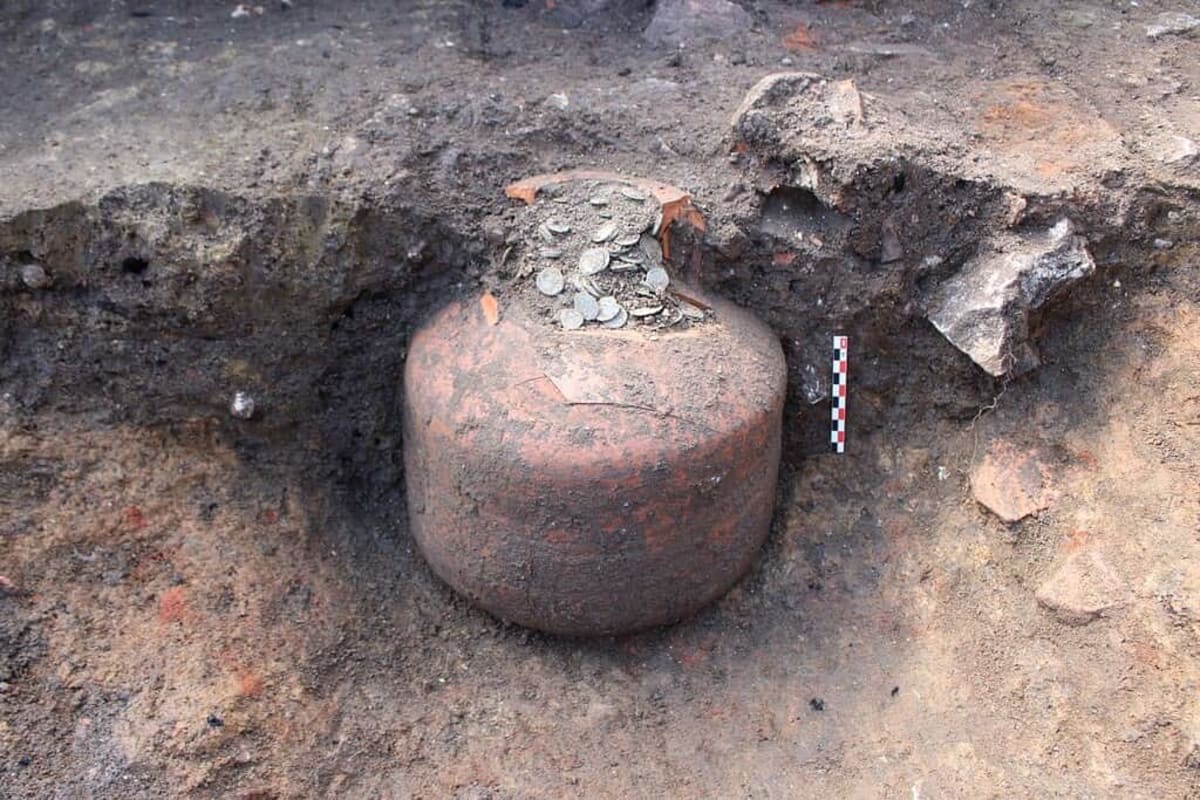
Each jar contained coins stamped with the faces of third-century emperors like Victorinus and Tetricus I, rulers of the breakaway Gallic Empire. One vessel alone held 38 kilograms of coins, roughly 24,000 pieces, enough to pay dozens of Roman soldiers for months.
But here's where the story gets really interesting. These weren't emergency stashes hidden during dangerous times. The coins stuck to the outside of some jars tell a different story, one of families depositing and withdrawing money over years, treating these buried vessels like household savings accounts.
The neighborhood itself reveals an incredible transformation. Starting as a Celtic settlement in the second century BCE, Senon evolved into a prosperous Roman town with paved streets, stone houses featuring underfloor heating, and busy workshops. The residents who lived here weren't wealthy elites but comfortable artisans and merchants building good lives.
The Ripple Effect
This discovery changes how we understand daily life in the Roman Empire. Regular families had sophisticated ways to manage money long before modern banking. They created their own security systems, burying savings beneath their homes where they could access them whenever needed.
The find also connects us across centuries to universal human concerns. Nearly 2,000 years ago, a family worried about their financial security, carefully saved their earnings, and chose a hiding spot they thought was safe. Their careful planning failed when fire swept through the neighborhood around 310 CE, but their loss became our window into their world.
Every coin tells part of their story, preserved in the layers of ash and earth that covered Senon when the flames died down.
Today, researchers are carefully cataloging each coin, piecing together not just monetary history but the intimate details of how a Roman family lived, worked, and planned for tomorrow.
More Images
Based on reporting by Google: archaeological discovery
This story was written by BrightWire based on verified news reports.
Spread the positivity!
Share this good news with someone who needs it