1,300-Year-Old Bread Shows Jesus as Farmer in Turkey
Archaeologists in southern Turkey discovered five ancient loaves of bread stamped with Christian symbols, including one rare image of Jesus as a sower scattering seeds. The 1,300-year-old find offers a touching glimpse into how everyday faith and farming intertwined in Byzantine communities.
A loaf of bread buried for 1,300 years is telling a beautiful story about how ancient Christians saw their faith in everyday life.
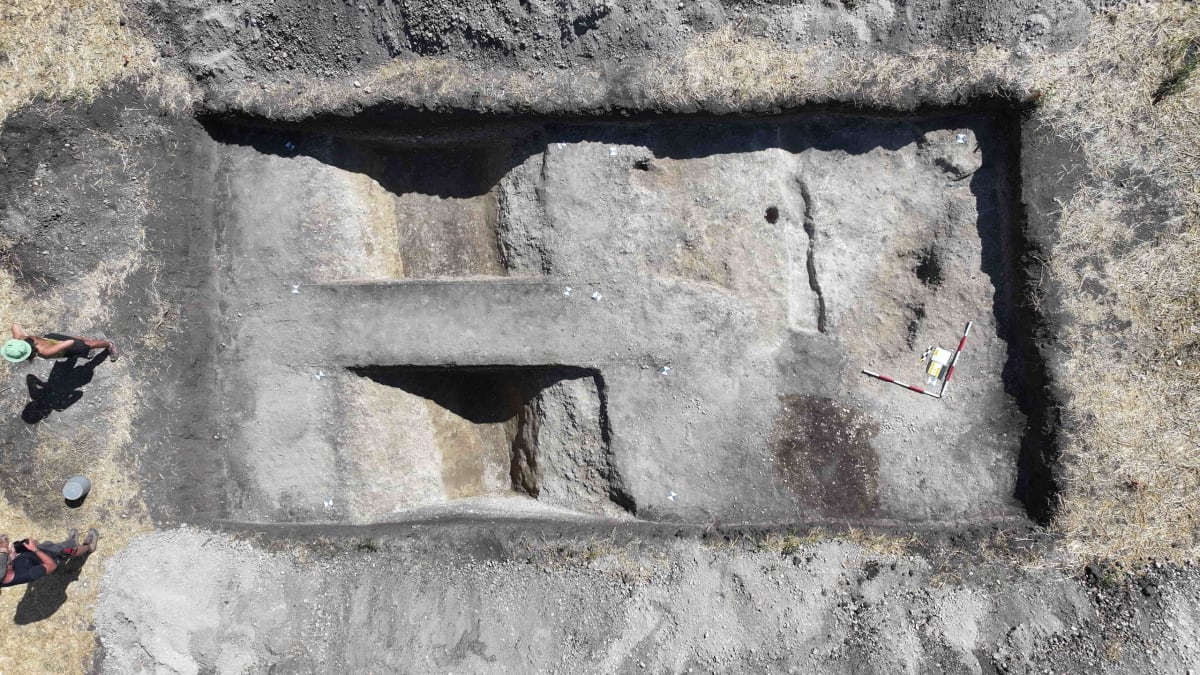
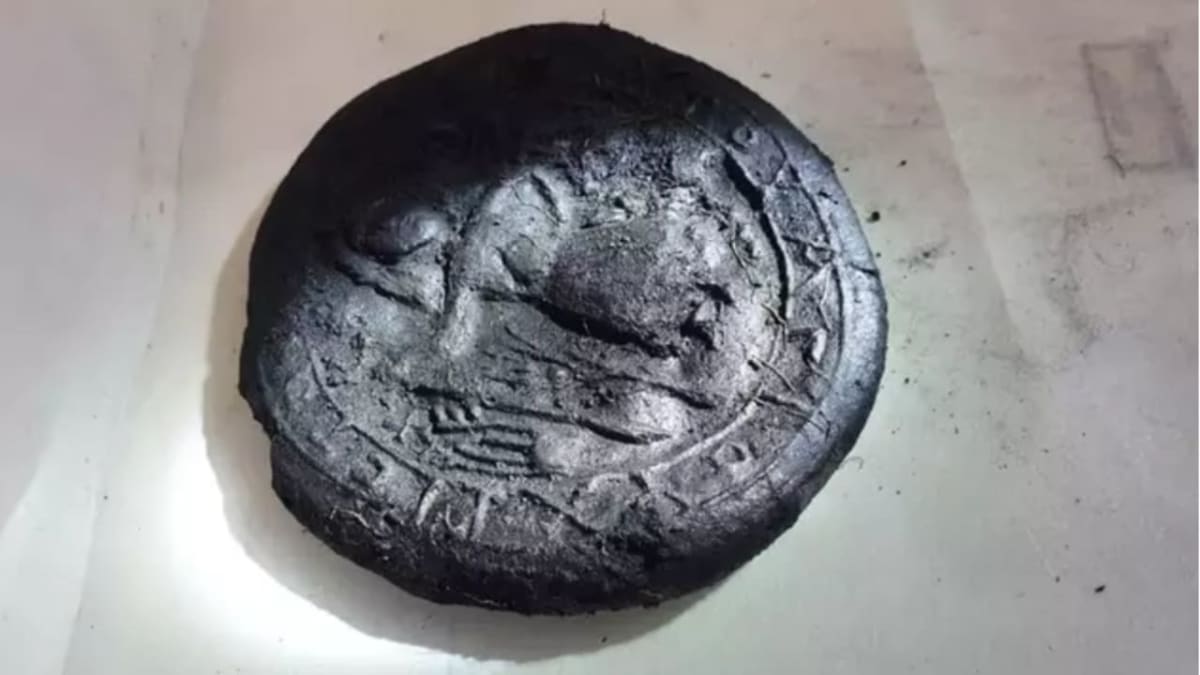
Archaeologists digging at Topraktepe in southern Turkey's Karaman Province uncovered five carbonized bread loaves from the Byzantine era. One loaf stood out immediately: it carried a stamped image of Jesus as a humble farmer, scattering seeds across a field.
The discovery is remarkable because most Byzantine art showed Jesus as a powerful king. This bread told a different story. For farming communities whose survival depended on good harvests, seeing Christ as a sower connected their daily work directly to their spiritual lives.
The loaf also bore a Greek inscription around its edges reading "With gratitude to the Blessed Jesus." Those simple words of thanksgiving have survived more than a millennium, preserved by an ancient fire that carbonized the bread before soil buried it.
The other four loaves carried impressions of the Maltese cross, suggesting they were made for religious ceremonies rather than regular meals. Early Christians often used bread in worship, seeing it as both physical nourishment and a symbol of Christ as the "Bread of Life."
Why This Inspires
This discovery reminds us that faith doesn't always live in grand cathedrals or elaborate ceremonies. Sometimes it shows up in the most ordinary places: a loaf of bread stamped with seeds, a prayer of thanks pressed into dough, a meal shared with gratitude.
The people who made this bread saw no separation between their work in the fields and their devotion to God. Every seed planted represented hope, renewal and divine blessing. Every loaf baked became an opportunity to give thanks.
These ancient bakers took time to mark their bread with images and prayers even though no one expected those loaves to survive. They weren't creating art for museums or messages for future generations. They were simply weaving their faith into their daily routine.
The bread survived because of an unlikely combination: a fire that carbonized it and soil that quickly covered it. What seemed like destruction actually became preservation, allowing us to connect with a community that lived centuries ago.
Today, that simple loaf speaks across time about finding meaning in ordinary work, expressing gratitude in small gestures, and believing that even the humblest acts can carry sacred significance.
Based on reporting by Google: archaeological discovery
This story was written by BrightWire based on verified news reports.
Spread the positivity!
Share this good news with someone who needs it