Israeli Cave Reveals Advanced Human Life 400,000 Years Ago
A cave in northern Israel is rewriting human history after archaeologists discovered evidence of organized communities using fire and sophisticated tools 200,000 years earlier than expected. The find fills a crucial gap in understanding how our ancestors lived.
A dusty cave near the small town of Fureidis, Israel, just revealed secrets that are changing what we know about early human intelligence and social life.
Archaeologists from the Israel Antiquities Authority and the University of Haifa made a stunning discovery while re-examining a site first studied in the 1970s. What researchers initially thought was 200,000 years old turned out to be twice as ancient, dating back 400,000 years.
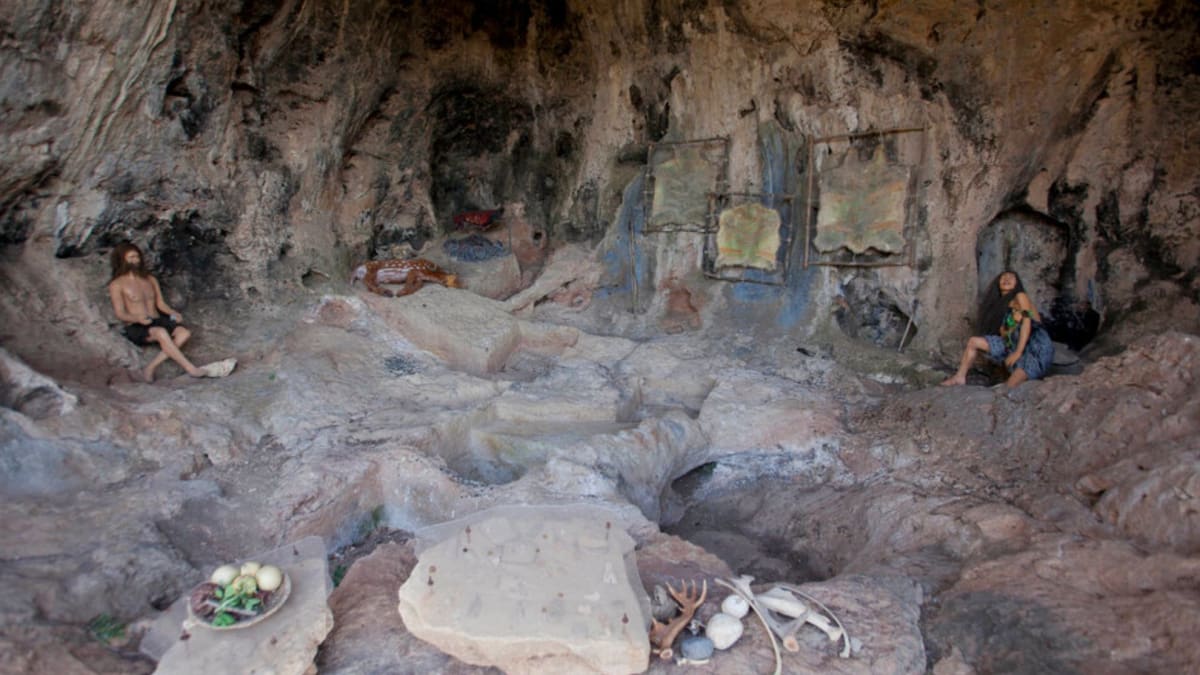
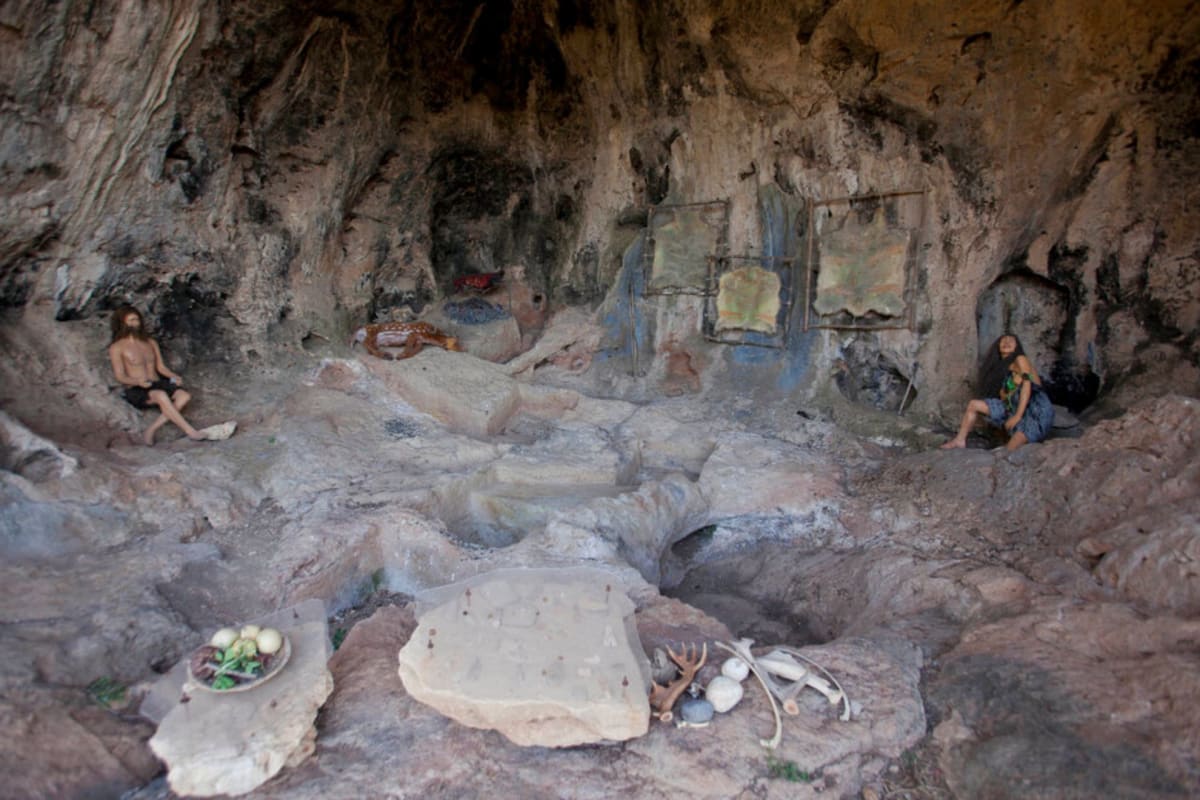
Inside the cave, teams found sophisticated stone tools including hand axes, scrapers, and cutting blades that belonged to the Acheulo-Yabrudian culture. These pre-Neanderthal groups were crafting advanced equipment and living in organized communities far earlier than scientists believed possible.
The evidence goes beyond just tools. Animal bones from gazelles and deer show these early humans were hunting, processing food, and sharing meals together inside the cave. Most exciting of all, researchers found signs of controlled fire use, a milestone that signals cognitive development and social cooperation.
For context, the period between 400,000 and 200,000 years ago remains one of the most mysterious chapters in human evolution. Very few well-preserved sites from this era exist anywhere in the world, making the Fureidis cave exceptionally valuable for understanding our ancestors.
The site almost disappeared entirely. Construction crews nearly destroyed it before officials recognized its archaeological importance and stepped in to protect it. Now it's safe for continued research.
Why This Inspires
This discovery reminds us that human ingenuity, cooperation, and community have deeper roots than we imagined. Our ancestors weren't just surviving 400,000 years ago. They were working together, sharing resources, and building the foundation for everything that makes us human today.
The cave challenges the assumption that complex social behavior developed recently in human history. These groups gathered around fires, planned hunts together, and created tools that required skill and teaching to make. They cared for each other in ways that laid the groundwork for modern society.
Excavations will continue for several years, with researchers hoping to find human remains that could reveal even more about who these people were. Each discovery brings us closer to understanding the incredible journey that led to us.
The Fureidis cave now joins a tiny list of sites offering windows into this pivotal time when the foundations of human society were taking shape, proving that our capacity for progress has always been part of who we are.
More Images
Based on reporting by Google: archaeological discovery
This story was written by BrightWire based on verified news reports.
Spread the positivity!
Share this good news with someone who needs it