Freshman's First Fossil Hunt Discovers New Mammal Species
A first-year college student on her very first fossil hunt in New Mexico discovered a mammal species unknown to science. The find proved that even well-studied sites can still reveal ancient secrets.
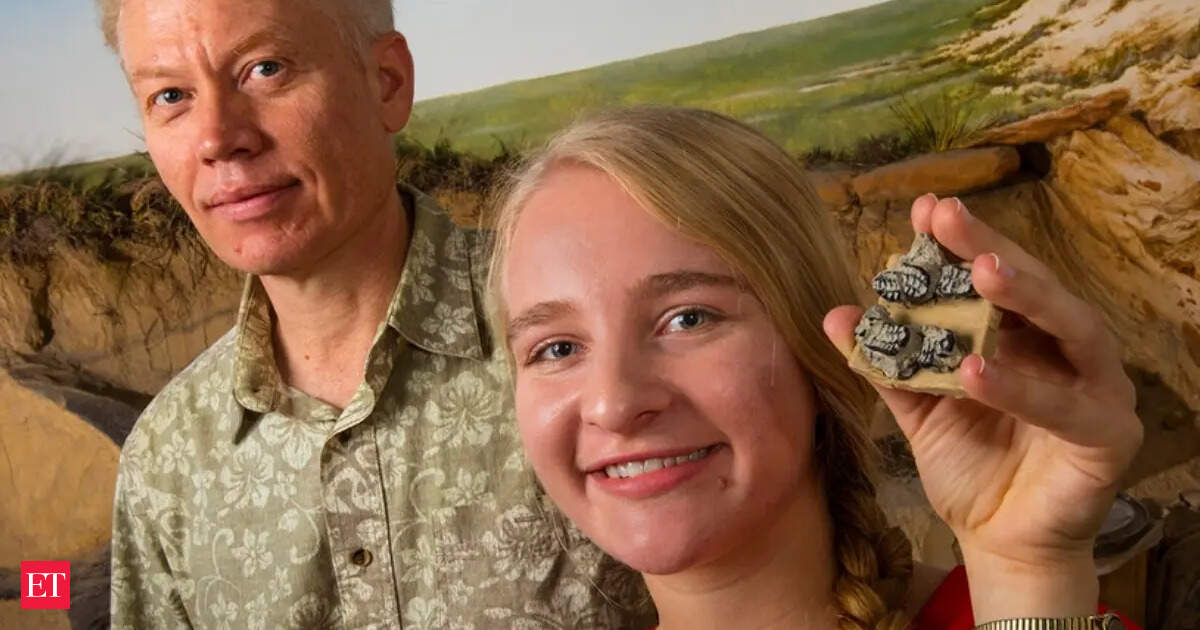
Carissa Raymond expected to gain basic field experience on her first fossil hunting trip in 2014. Instead, the University of Nebraska-Lincoln freshman uncovered teeth and jaw fragments belonging to a mammal species that had never been identified by science.
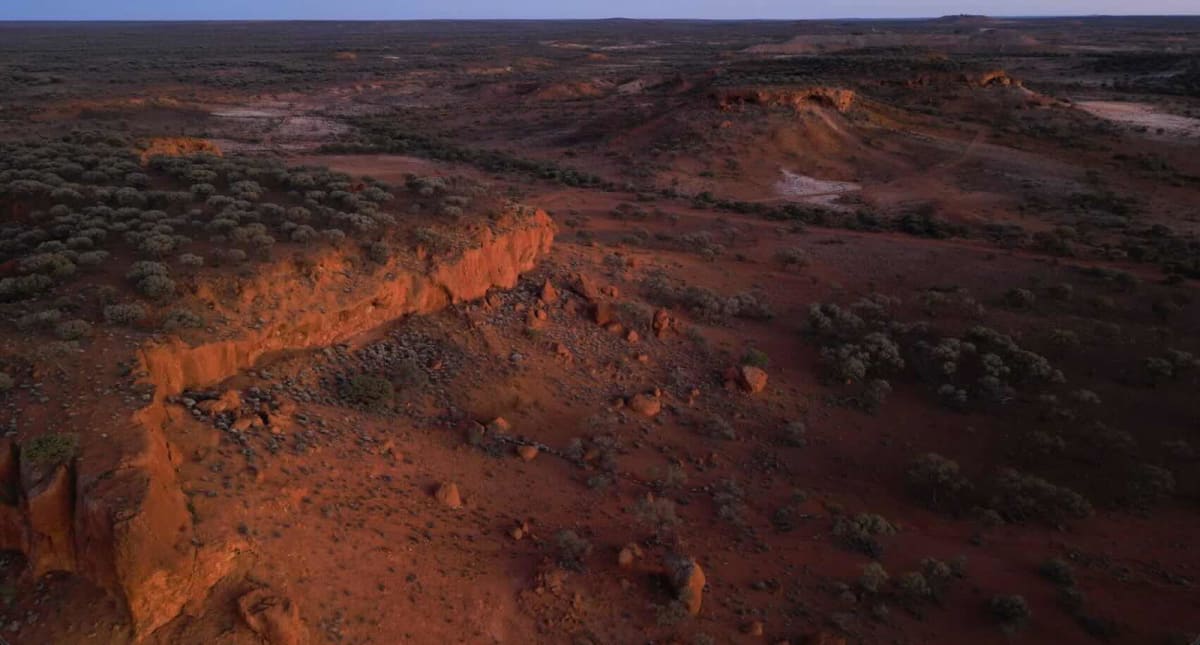
Raymond made her discovery during a field trip to New Mexico's San Juan Basin, one of North America's most famous fossil sites. Despite decades of excavation by professional paleontologists, this ancient mammal had remained hidden in the rocks.
The specimen included teeth, jaw fragments, incisors, molars, premolars, and part of a braincase. Paleontologists noticed right away that something was different about the tooth structure.
Scientists compared the fossil against museum collections around the world before confirming it was truly unique. The creature was officially named Kimbetopsalis simmonsae, a new species of multituberculate mammal.
Multituberculates lived during the age of dinosaurs and survived for many years after their extinction, though the entire group eventually went extinct. Scientists still study them to understand how mammals evolved over millions of years.
Thomas Williamson, curator at the New Mexico Museum of Natural History and Science, suspected from the start that Raymond's find was special. Museum collections containing thousands of samples from different time periods made the comparison work possible.
What made the discovery scientifically important was its location in older rock formations than other multituberculate fossils found in the area. This age difference helps scientists understand when and how these creatures lived and evolved.
Why This Inspires
Raymond's discovery marked the first new multituberculate mammal species found in the San Juan Basin in more than a century. Her find proved that even heavily researched fossil sites can still surprise us with new knowledge.
The discovery also showed that meaningful scientific contributions can happen at the very beginning of a career. Students usually help with cataloging and surveys, but major finds on a first field trip are extremely rare.
Raymond's careful excavation and documentation of the fossil's geological context made the discovery scientifically valuable. Without that precise information about location and surrounding rock layers, fossils lose much of their research potential.
This fossil fragment preserved just enough features to change what scientists knew about ancient mammals in North America. Sometimes the smallest discoveries open the biggest windows into our planet's history.
More Images


Based on reporting by Google: fossil discovery
This story was written by BrightWire based on verified news reports.
Spread the positivity!
Share this good news with someone who needs it