Fridge-Free Vaccine Passes First Human Trial Successfully
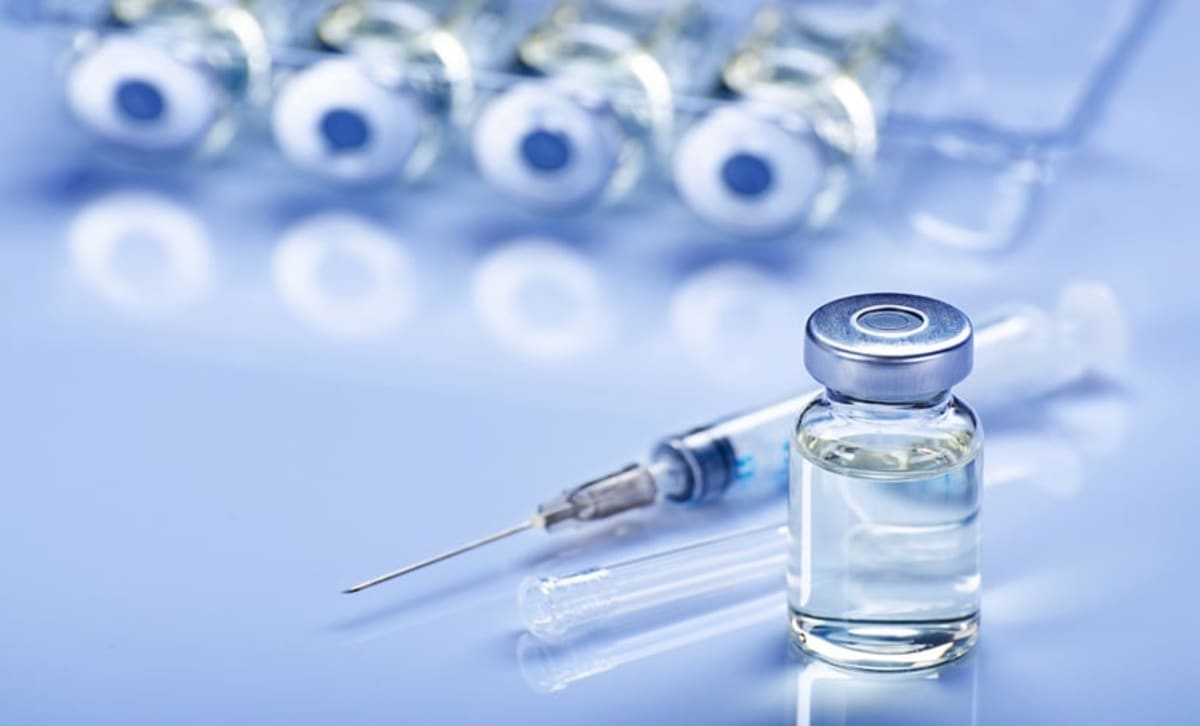
A tetanus-diphtheria vaccine that stays effective for two years without refrigeration has passed its first human safety trial. The breakthrough could help vaccines reach millions in remote areas where keeping medicines cold is nearly impossible.
Scientists have successfully tested the first vaccine that doesn't need a fridge, opening the door for millions more people to get life-saving immunizations.
The SPVX02 tetanus-diphtheria booster vaccine stayed effective for at least 24 months at temperatures up to 30°C in a phase I human trial conducted in the UK. Participants who received the room-temperature vaccine produced the same immune responses as those who got standard refrigerated versions, with no serious side effects.
Right now, most vaccines must stay cold from the moment they're made until they go into someone's arm. This "cold chain" requirement creates massive barriers in hot climates, remote villages, and areas with unreliable electricity. When the chain breaks, vaccines spoil and get thrown away.
The World Health Organization estimates that up to 50% of vaccines worldwide are wasted every year. Many go bad simply because they got too warm or froze during transport and storage.
The new formula uses StablevaX technology to keep the vaccine stable at normal room temperature. Researchers even tested it by cycling between -20°C and +40°C, mimicking the journey from a freezing airplane cargo hold to the back of a hot truck. The vaccine survived just fine.
For healthcare workers trying to reach people in low- and middle-income countries, this could be transformative. No more lugging heavy coolers with ice packs on long journeys. No more turning patients away because the vaccine shipment spoiled in transit.
The Ripple Effect
Beyond just one vaccine, researchers believe the same technology could work for other immunizations and biological medicines. If the stabilization method proves successful across different vaccines, it could reshape global health delivery entirely.
Larger phase II and phase III trials are already planned to confirm the vaccine works in diverse populations. Scientists also want to test whether it can handle even higher temperatures and longer storage times.
The healthy adults in this first trial experienced only minor side effects like sore arms, headaches, and chills, the same reactions people get from current tetanus-diphtheria boosters. No participants had serious reactions.
For communities that have watched vaccine shipments arrive spoiled or never arrive at all, this technology represents something powerful: access to the same protection that people in wealthy countries take for granted, without the impossible requirement of constant refrigeration.
If approved after further testing, fridge-free vaccines could help close one of the biggest gaps in global health equity.
Based on reporting by Google News - Clinical Trial Success
This story was written by BrightWire based on verified news reports.
Spread the positivity!
Share this good news with someone who needs it