From Sputnik to Mars: 70 Years of Space Wins
Humanity has been reaching for the stars for nearly 70 years, and the journey keeps getting more amazing. From the first satellite beeping in orbit to robots exploring Mars, here's how we learned to dance among the cosmos. #
Humanity's greatest adventure started with a beep heard around the world.
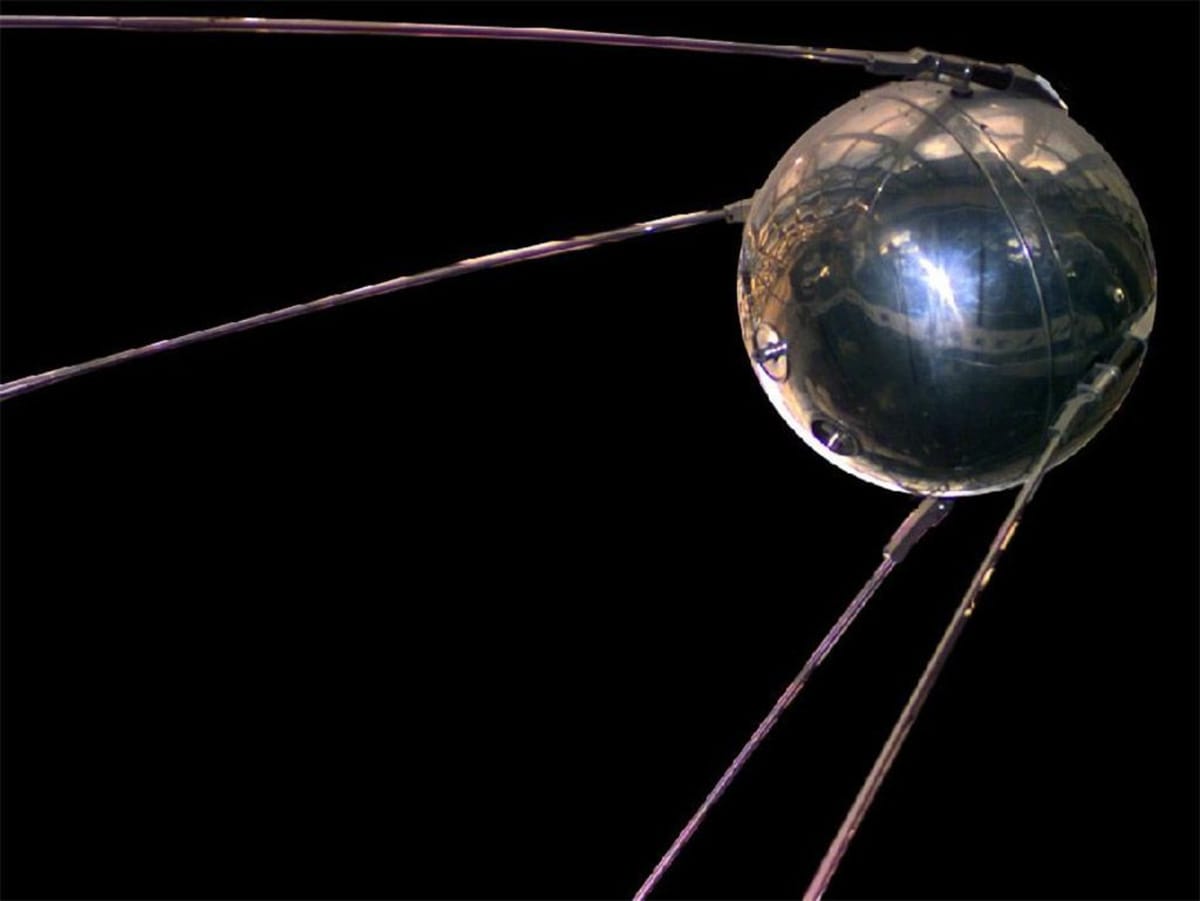
On October 4, 1957, the Soviet Union launched Sputnik I, a basketball-sized satellite that circled Earth every 98 minutes. Its high-pitched signal on shortwave radio announced that humans had finally touched space, sparking a friendly rivalry that would push both nations to achieve the impossible.
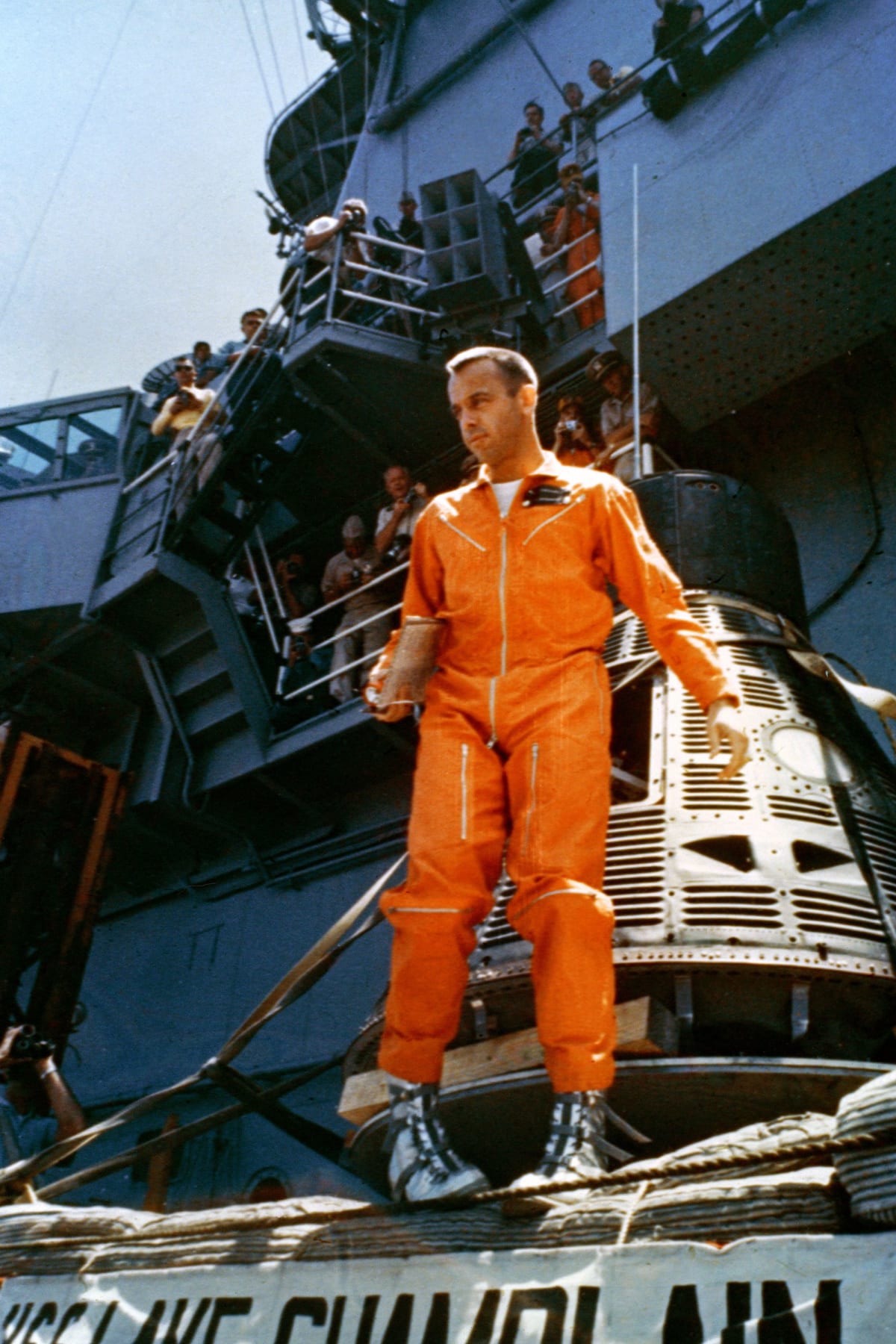
The progress came fast. Just four years after Sputnik, Soviet cosmonaut Yuri Gagarin became the first human to see Earth from above, spending 108 minutes orbiting our planet in a tiny capsule. American astronaut Alan Shepard followed less than a month later with a 15-minute suborbital flight that proved the United States was ready to compete.
Women and people of color soon joined the adventure. Valentina Tereshkova piloted her spacecraft into orbit in 1963, becoming the first woman in space. In 1980, Cuban Gen. Arnaldo Tamayo Méndez became the first Latin American and first person of African descent to fly beyond Earth's atmosphere.
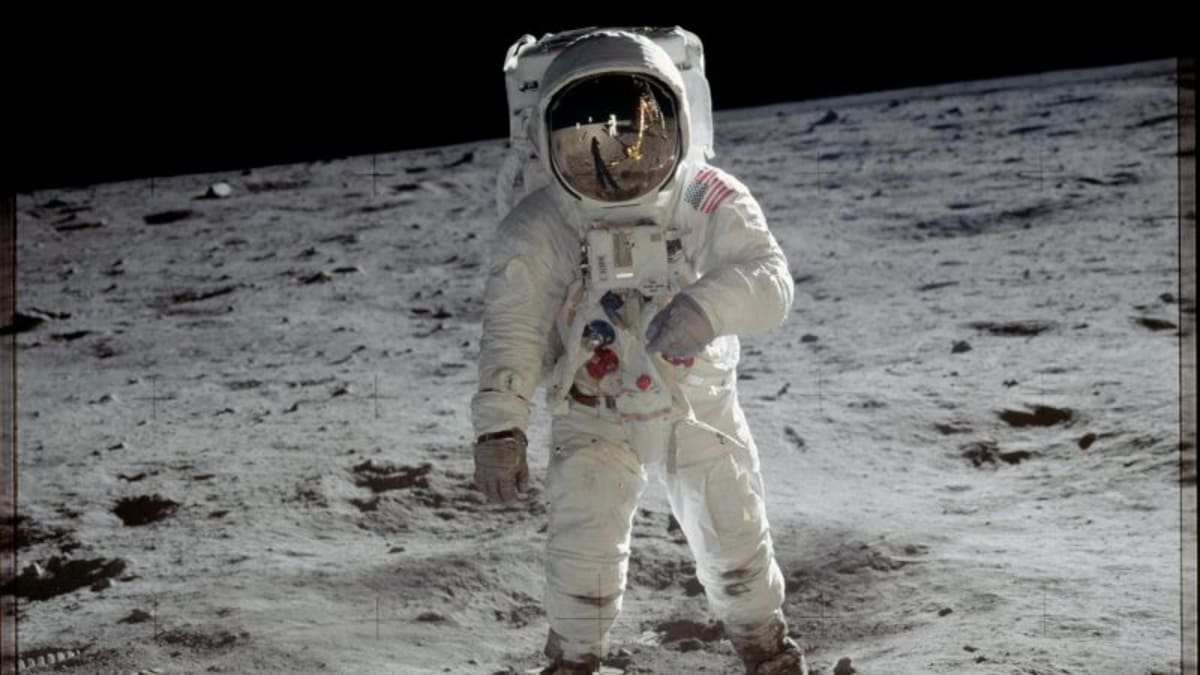
Then came the moon. On July 20, 1969, Neil Armstrong and Buzz Aldrin left boot prints on lunar dust while millions watched on television back home. Armstrong's famous words captured the moment perfectly: "That's one small step for man, one giant leap for mankind."
Space exploration faced setbacks too, but they taught valuable lessons. When Apollo 13's oxygen tank exploded in 1970, the world held its breath as the crew solved problems no one had faced before. Their safe return showed that human ingenuity could overcome even the worst surprises.
The missions grew more ambitious with time. Space stations like Skylab gave astronauts homes in orbit where they could work for months. The Voyager probes, launched in 1977, became the first spacecraft to venture beyond our solar system's edge, sending back stunning images of Saturn and its moons.
Breaking barriers continued through the 1980s. Sally Ride became the first American woman in space in 1983, followed by Guion Bluford as the first African American astronaut that same year. These pioneers opened doors for countless others who would follow.
The Ripple Effect
Today's space exploration builds on every achievement from those early decades. Robots are actively exploring Mars, searching for signs of ancient life. Private companies are making space more accessible than ever before. The International Space Station hosts astronauts from multiple countries working together in harmony, proving that collaboration can overcome any political divide on Earth.
Each mission teaches us more about our universe and ourselves, inspiring new generations to dream bigger and reach higher than ever before.
#
More Images

Based on reporting by Google News - Science
This story was written by BrightWire based on verified news reports.
Spread the positivity!
Share this good news with someone who needs it