Fusion Energy Gets $13B and a Reality Check from Oak Ridge
After decades of "just around the corner" promises, fusion energy just raised $13 billion in five years and achieved its first ignition milestone. Now physicist Troy Carter is helping turn that breakthrough into actual power we can use.
For the first time in history, scientists made fusion produce more energy than the lasers used to start it, and the world noticed.
That December 2022 milestone at California's National Ignition Facility helped unlock something remarkable. Between 2020 and 2025, fusion startups raised over $13 billion in private funding, compared to less than $2 billion in all previous years combined.
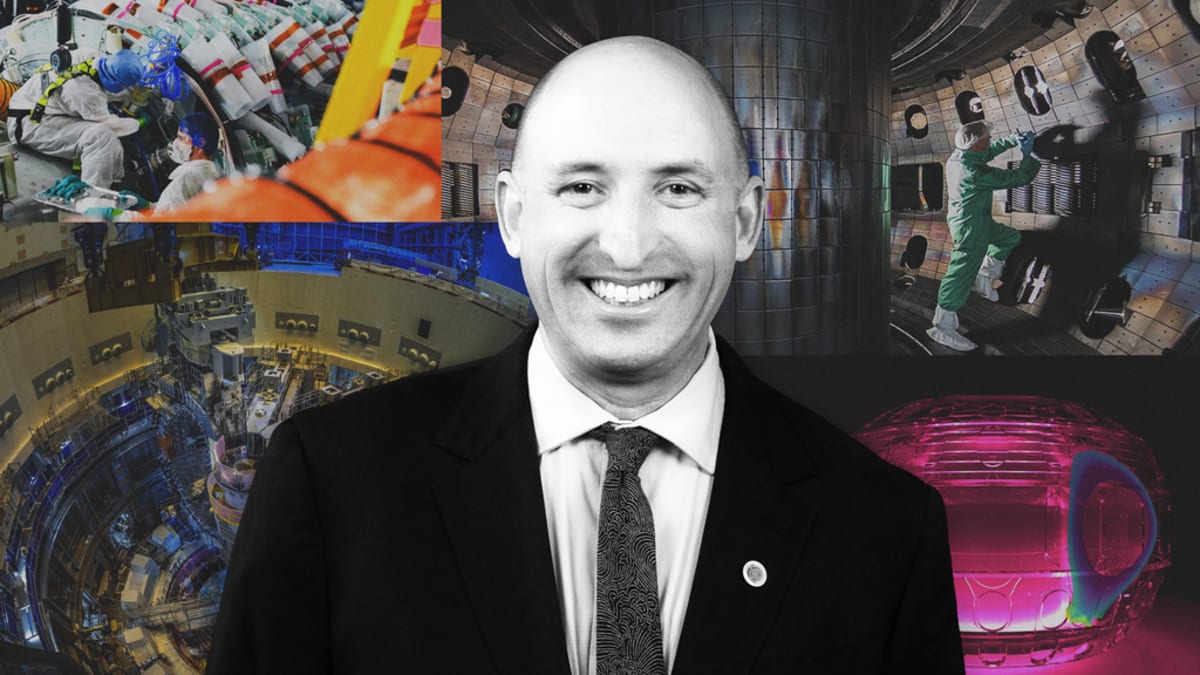
Troy Carter leads the charge to turn that momentum into reality. After 20 years studying plasma physics at UCLA, he now runs the U.S. fusion energy program at Oak Ridge National Laboratory, one of America's top nuclear research centers.
Fusion works like the sun does, fusing light atoms instead of splitting heavy ones like current nuclear plants. The payoff could be huge: zero carbon emissions, far less radioactive waste, and relatively safer power generation.
But plasma, the superheated electrically charged gas that makes fusion possible, doesn't cooperate easily. The sun uses gravity to contain its fusion reactions. On Earth, companies are testing everything from powerful magnets to extreme temperatures reaching 500 million degrees Celsius.
Money helps, but physics doesn't negotiate. Tech giants building AI data centers are already signing power deals with fusion companies that haven't produced a single watt yet, hoping the science catches up to the need.
The Bright Side
Carter's role puts him exactly where progress happens fastest. At Oak Ridge, he works directly with fusion startups, helping them solve problems too big for any single company to tackle alone.
The lab supports companies selected for a Department of Energy program that funds them based on hitting real scientific benchmarks. That structure keeps the focus on actual progress, not just promises.
Different companies are trying wildly different approaches. Some use donut shaped magnetic chambers called tokamaks. Others are reviving designs federal labs shelved decades ago, now made possible by new materials and superconducting magnetic tape.
The challenges remain significant. Deuterium fuel is abundant in water, but tritium and helium-3 are extremely rare on Earth. And ignition is just step one.
Scientists still need to reach engineering breakeven, where reactors make more energy than they need to operate. Then comes commercial viability, producing enough electricity to actually sell to the power grid.
But the combination of breakthrough science, serious funding, and coordinated support from national labs like Oak Ridge means fusion finally has what it needs to move from someday to soon.
More Images

Based on reporting by Fast Company - Innovation
This story was written by BrightWire based on verified news reports.
Spread the positivity!
Share this good news with someone who needs it