New Coating Makes Solar Panels 16% More Powerful
Scientists in India created a self-cleaning coating that boosted solar panel power output by 16% and even beat daily manual cleaning. The breakthrough could make solar energy more efficient without extra work or water.
Solar panels just got a major upgrade that could change how we harness clean energy.
Researchers in India developed a special coating that makes solar panels clean themselves while producing significantly more power. The transparent layer increased energy output by 16% compared to dusty panels and 7% more than panels cleaned by hand every single day.
The team from PSN Institute of Technology and Science combined tiny silicon dioxide particles with a polymer called PDMS to create the coating. They sprayed this mixture onto solar panel glass and baked it at 80°C for two hours, creating an ultra-thin protective layer just 2 micrometers thick.
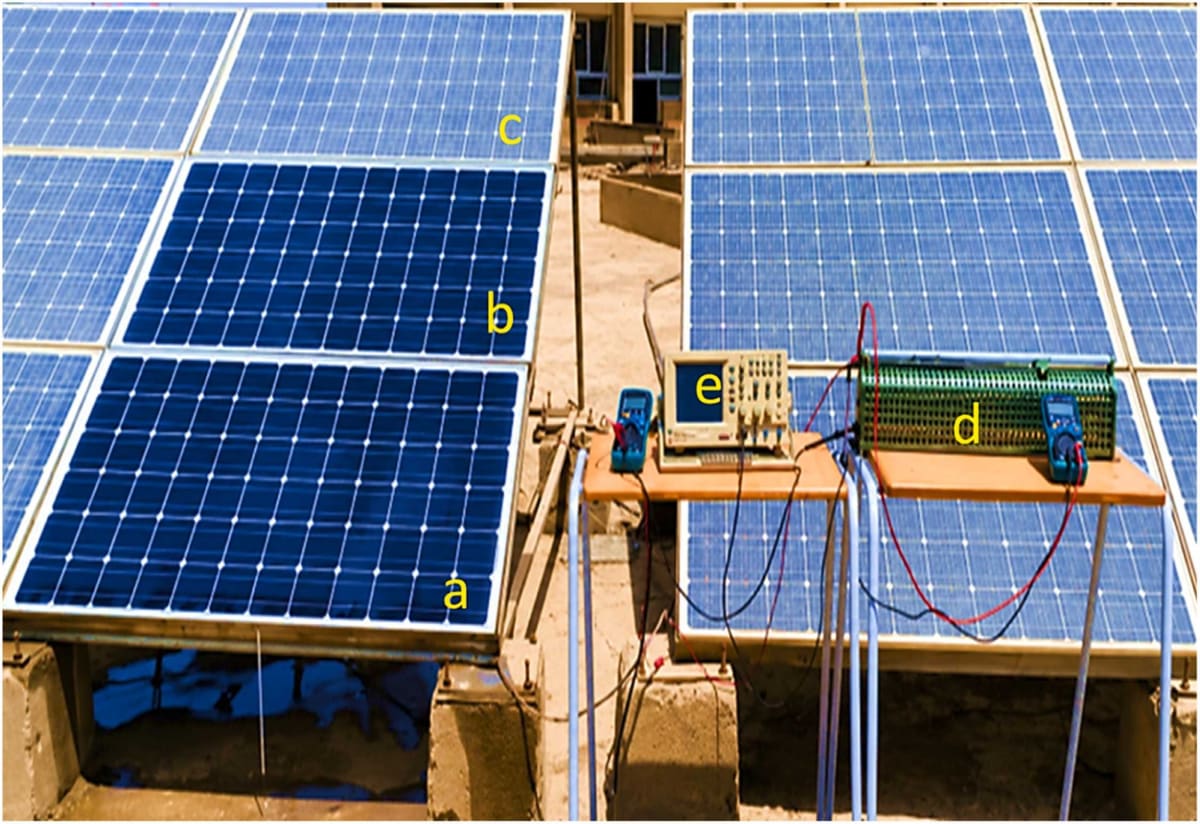
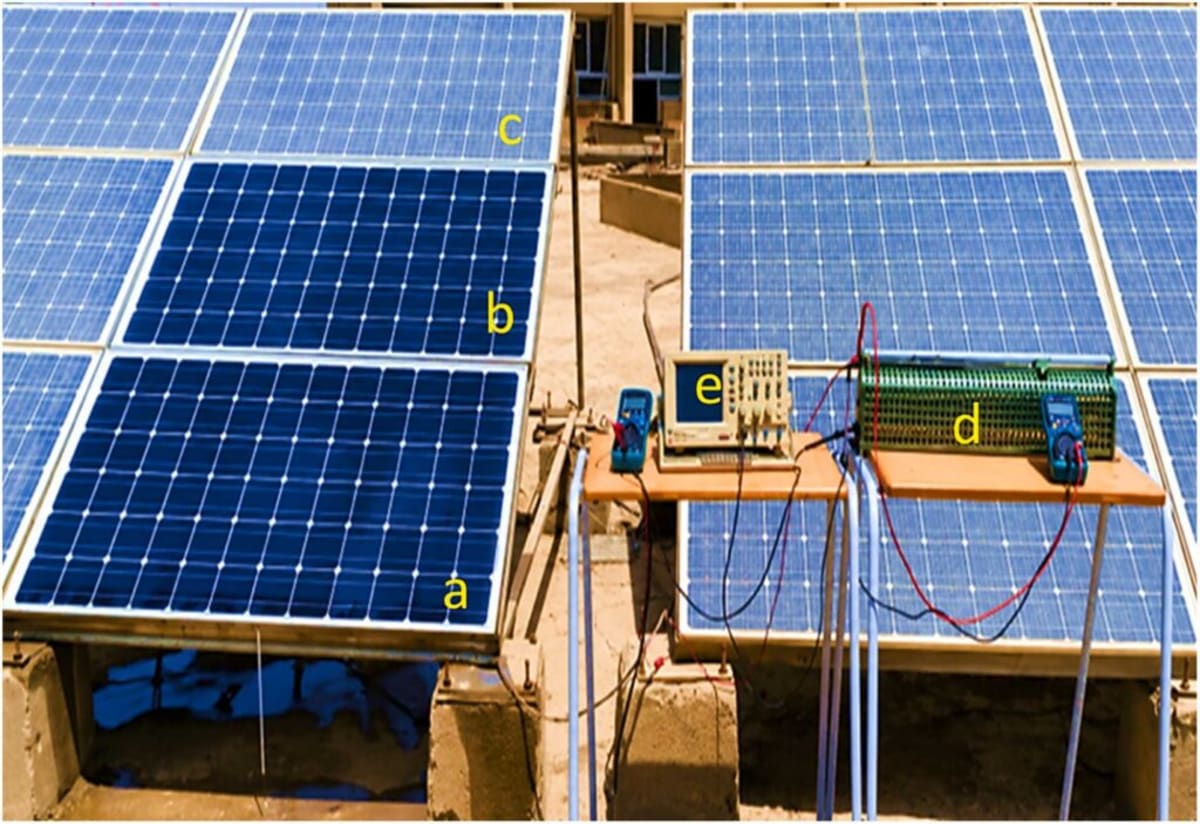
Lead researcher C. Ayyanar and his team tested three identical solar panels side by side in Tamil Nadu for six months. One received the new coating, one was manually cleaned daily, and one was left to collect dust naturally. All three faced the same weather conditions on a south-facing rooftop.
The coated panel outperformed expectations at every turn. Beyond the power boost, it also stayed cooler by up to 12°C, which helps solar panels work more efficiently. The coating let dust slide off naturally with just wind and rain, requiring no human effort or water.
"The most surprising finding was that the coated solar panel outperformed even the manually cleaned panel," Ayyanar explained. In regions where dust storms are common or water is scarce for cleaning, this could be transformative.
The researchers didn't stop at field testing. They used advanced computer modeling to understand exactly why the coating worked so well. Their calculations matched the real-world results almost perfectly, with incredibly precise accuracy.
The Ripple Effect
This breakthrough arrives as the world races to expand solar power capacity. Dust accumulation remains one of the biggest problems for solar farms, especially in dry climates where panels can lose significant efficiency within weeks.
The coating could eliminate the need for water-intensive cleaning in desert solar farms, where millions of gallons are currently used. It could also reduce maintenance costs and labor while keeping panels operating at peak performance year-round.
For developing regions with limited water resources, self-cleaning panels could make solar energy far more practical and affordable. The coating works with natural weather patterns rather than fighting against them.
The research team published their findings in Next Energy, sharing their methods so others can build on this success. Solar energy just became cleaner, more efficient, and easier to maintain.
More Images


Based on reporting by PV Magazine
This story was written by BrightWire based on verified news reports.
Spread the positivity!
Share this good news with someone who needs it