Solar Panels Work 10 Meters Deep in the Ocean
Scientists successfully powered underwater robots with solar panels 33 feet below the ocean's surface, opening new possibilities for marine research and autonomous ocean technology. The breakthrough could revolutionize how we power equipment exploring Earth's final frontier.
Scientists just proved that solar power works deep underwater, and it could change everything about how we explore the ocean.
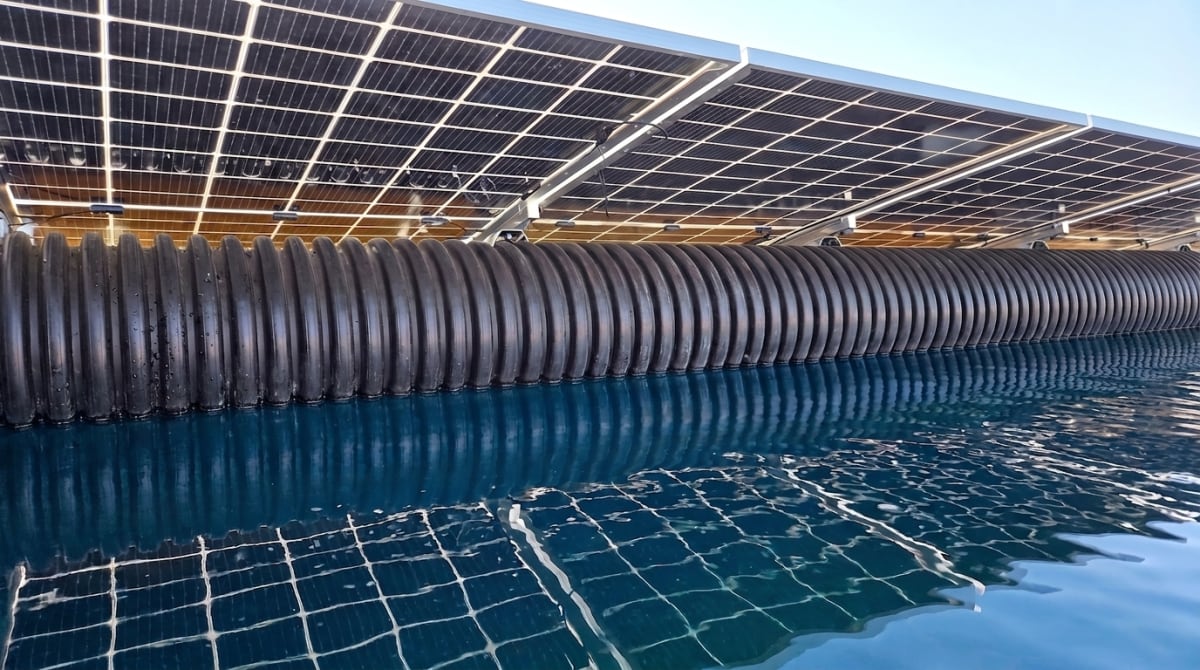
A research team from Yunnan University deployed special solar panels 10 meters below the surface of the South China Sea and successfully powered underwater robots. Until now, underwater solar experiments barely scratched the surface, never going deeper than two meters.
The breakthrough centers on perovskite solar cells, a newer solar technology that the team customized specifically for underwater conditions. By adjusting the chemical makeup of these cells, researchers made them tough enough to withstand the ocean environment while still capturing the limited sunlight that penetrates deep water.
The results exceeded expectations. In just two hours underwater, large solar panels generated enough electricity to charge lithium batteries and power LED lights. That might not sound like much, but for an underwater robot far from shore, it's the difference between dependence and freedom.
Back in the lab, the team's testing predicted even better news. Their simulations suggest these underwater solar panels could last 5.5 years while submerged at 10 meters deep. The cells showed almost zero degradation after 1,160 hours of testing under simulated deep-water conditions.
Lead researcher Wen-Hua Zhang said what surprised the team most was how much energy their large panels generated in real ocean conditions. Scaling up from tiny laboratory samples to full-sized modules that actually work in the sea represents a major engineering achievement.
The Ripple Effect
This isn't just about powering a few underwater cameras. The ocean covers 70% of our planet, yet remains largely unexplored because keeping equipment running underwater is incredibly difficult. Batteries run out. Cables connecting devices to surface power are expensive and limiting.
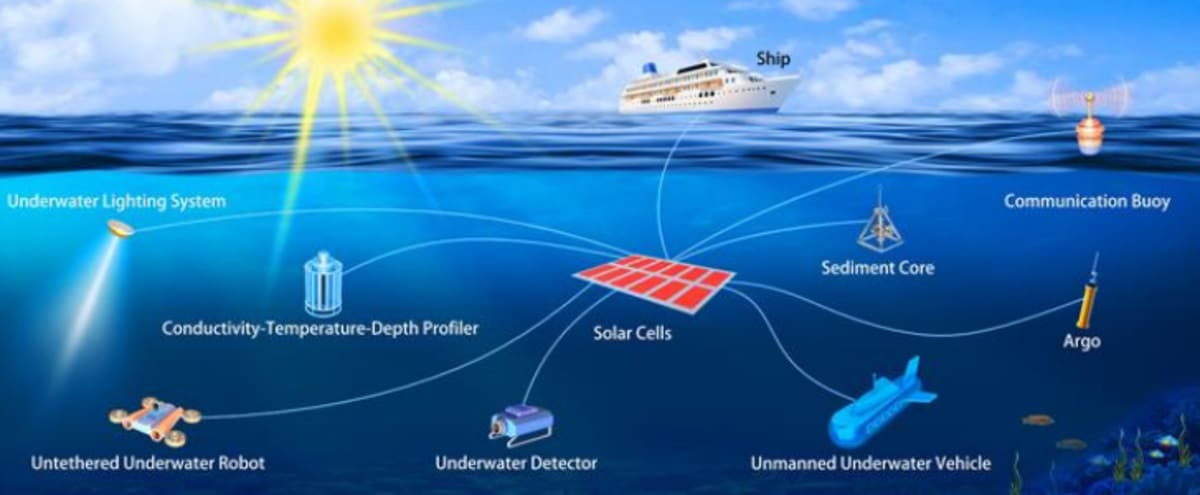
Self-powered underwater equipment could transform marine research, ocean monitoring, and environmental protection. Scientists could deploy sensors that track ocean health for years without maintenance. Underwater communication systems could operate indefinitely in remote locations. Autonomous submarines could explore deeper and longer.
The technology arrives at a crucial time. Understanding our oceans has never been more important as we face climate change, overfishing, and pollution. Better tools for ocean observation mean better data for protecting marine ecosystems.
The research team believes their work paves the way for practical underwater solar systems that could power all kinds of submerged technology far from land. They envision a future of self-sustained marine energy systems enabling truly autonomous underwater exploration.
The ocean's depths just became a little less dark.
More Images


Based on reporting by Google News - Researchers Find
This story was written by BrightWire based on verified news reports.
Spread the positivity!
Share this good news with someone who needs it