Fusion Reactor Could Power 280,000 Homes by 2030s
A leading fusion energy company just published research confirming their power plant design will produce more electricity than it consumes. If successful, the ARC reactor could deliver clean, limitless energy to hundreds of thousands of homes within a decade.
Scientists may have just taken a giant leap toward solving our clean energy challenge forever.
Commonwealth Fusion Systems, a Massachusetts company leading the race to make fusion energy real, released five research papers confirming their ARC power plant design can deliver 400 megawatts of net electricity to the power grid. That's enough clean energy to power 280,000 average American homes continuously.
The company plans to test their prototype reactor, called SPARC, next year. If those tests go well, the full-scale ARC plant could start operations in the early 2030s.
Fusion energy mimics the reaction that powers the sun, fusing atoms together to create massive amounts of energy without carbon emissions or long-lasting radioactive waste. Scientists have pursued this holy grail of clean energy for decades, but no one has built a reactor that produces more energy than it consumes while running continuously.
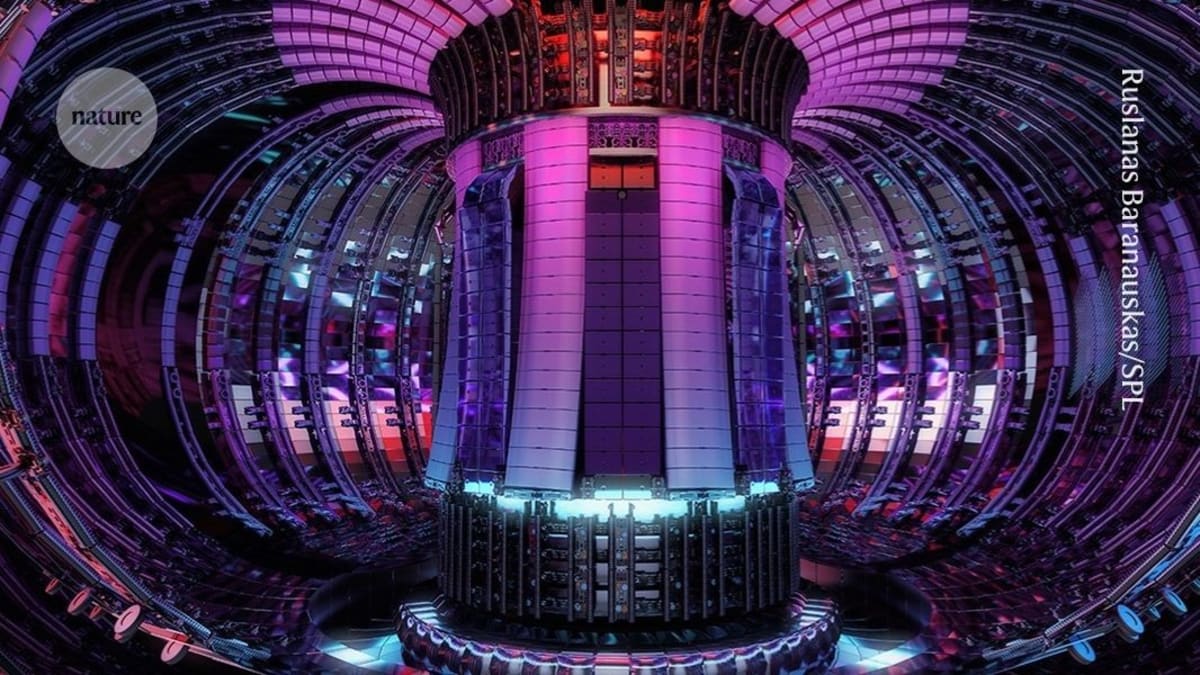
The research team of 58 scientists laid out detailed physics models showing how superhot plasma will behave inside their doughnut-shaped reactor. They used advanced magnet technology to design a system that can confine plasma at temperatures hotter than the sun's core.
Private fusion companies have attracted almost $10 billion in investment over the past decade, with several firms racing to deliver commercial plants by the early 2030s. CFS alone has raised nearly $3 billion since spinning off from MIT in 2018.
Tony Roulstone, a nuclear engineer at the University of Cambridge, called the team "some of the best in the fusion business" and praised their concept as "good work over many years." However, he and other experts note that real-world results from an operating reactor are still needed to validate the predictions.
The US National Ignition Facility achieved the first fusion reaction producing more energy than it consumed in 2022, but only for a brief moment. The challenge now is making fusion work continuously and economically.
The Ripple Effect
If fusion energy succeeds, it could transform how humanity powers itself. Unlike fossil fuels, fusion produces no carbon emissions. Unlike traditional nuclear power, it creates minimal radioactive waste and can't melt down.
The technology could provide baseload power that runs 24/7, complementing wind and solar energy that depend on weather conditions. Countries worldwide could generate their own clean energy without relying on imported fuel.
CFS chief science officer Brandon Sorbom expressed confidence that "when we build the ARC fusion power plant, it will work." The coming years will reveal whether that confidence is justified.
Next year's SPARC tests will be the critical proof point the world has been waiting for.
More Images




Based on reporting by Nature News
This story was written by BrightWire based on verified news reports.
Spread the positivity!
Share this good news with someone who needs it