Fusion Startup Partners With Lab Behind Energy Breakthrough
A fusion energy startup just signed a major deal with the only lab to prove fusion can produce more power than it consumes. The partnership could bring clean, unlimited energy closer to reality.
The scientist who helped achieve one of the biggest energy breakthroughs in history is now racing to bring that technology to your power grid.
Inertia Enterprises announced Tuesday it has signed three partnership agreements with Lawrence Livermore National Laboratory in California. The lab made headlines in 2022 when its National Ignition Facility became the first fusion experiment ever to produce more energy than it took to start the reaction.
Now that groundbreaking science is heading toward commercial reality. Inertia raised $450 million in February, making it one of the best-funded fusion startups in the world.
The connection runs deep. Annie Kritcher, who co-founded Inertia, actually helped design the successful experiment at the National Ignition Facility that achieved the historic breakthrough. Thanks to the 2022 CHIPS and Science Act, she can now run her startup while keeping her position at the lab.
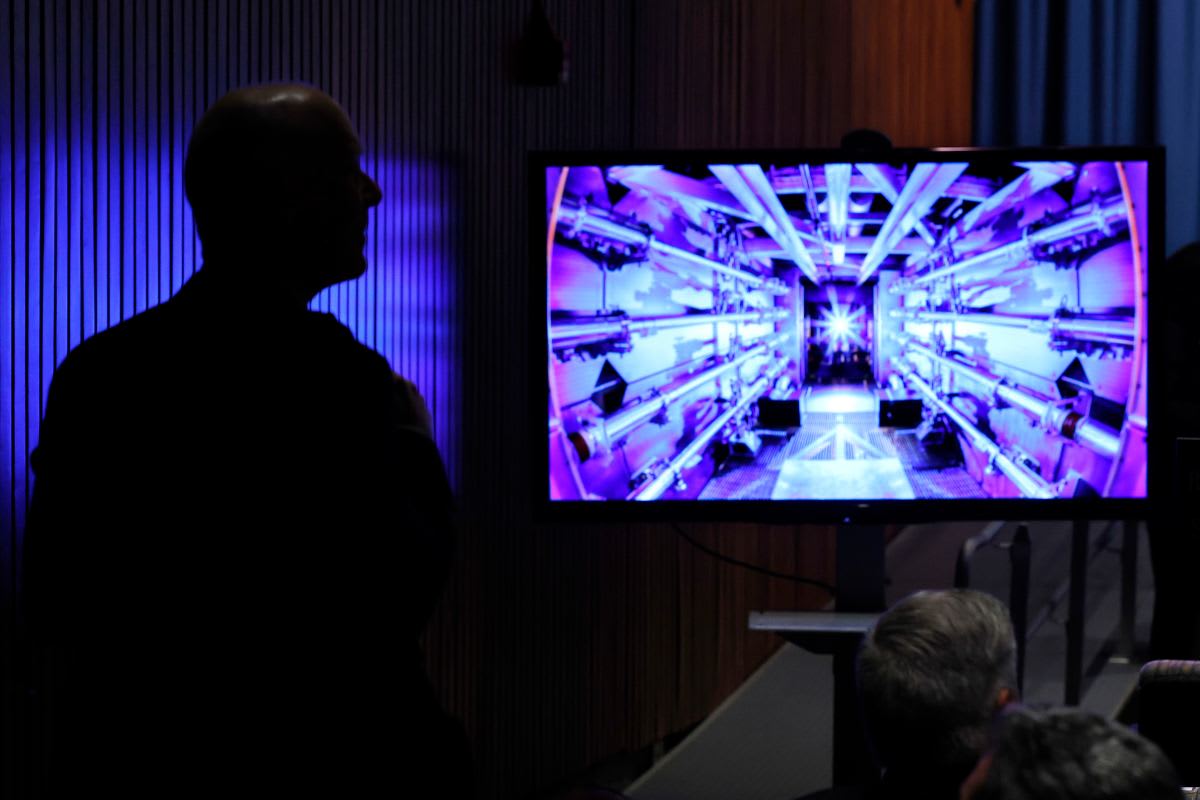
The technology sounds like science fiction but it's very real. The system fires 192 laser beams into a vacuum chamber, where they hit a tiny gold cylinder containing a fuel pellet smaller than a BB. The lasers vaporize the cylinder, releasing X-rays that blast the pellet and trigger fusion.
The challenge is making it practical. Right now the process takes enormous energy and elaborate equipment. For fusion to power homes and businesses, it needs to happen several times per second using more efficient technology.
That's where the new partnerships come in. Inertia and the lab will work together to develop better lasers and improve the fuel targets. The startup is also licensing nearly 200 patents from the facility.
The Ripple Effect
This collaboration matters because fusion could transform how we power civilization. Unlike fossil fuels, fusion produces no carbon emissions. Unlike current nuclear plants, it creates minimal radioactive waste and can't melt down.
The fuel comes from water and lithium, materials available almost everywhere on Earth. One glass of water contains enough fusion fuel to equal 300 liters of gasoline.
Several other startups are chasing the same dream, including Xcimer, Focused Energy, and First Light. They're all betting that newer laser technology will be far more efficient than the decades-old equipment at the National Ignition Facility.
The original reactor design dates back to the 1960s, when scientists developed it as a safer way to research thermonuclear weapons. Construction on the National Ignition Facility began in 1997, and it took 25 years to reach the breakeven point.
Now the real work begins: turning a massive government research facility into something that can actually power cities.
If Inertia succeeds, the energy that powers stars could one day keep your lights on without warming the planet.
More Images


Based on reporting by TechCrunch
This story was written by BrightWire based on verified news reports.
Spread the positivity!
Share this good news with someone who needs it