Fuzzy Fish Named After Snuffleupagus Finally Found Again
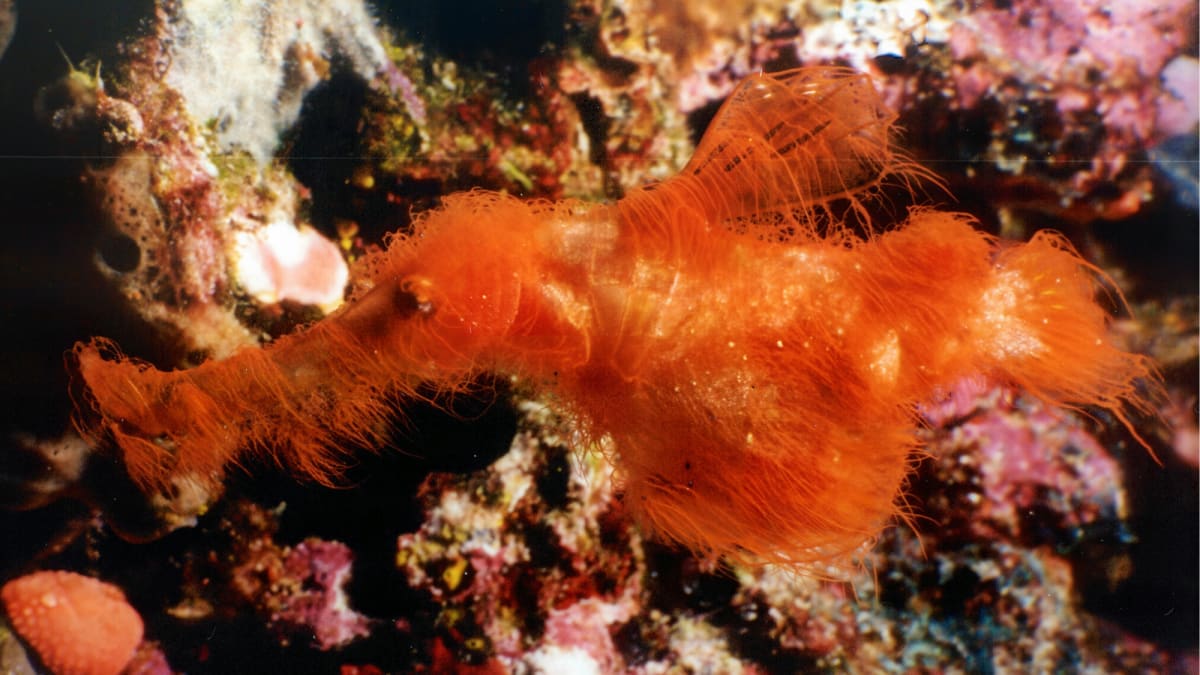
After 19 years of searching, scientists confirmed a new ghost pipefish species so adorably fuzzy they named it after Sesame Street's Snuffleupagus. The tiny creature's bright orange filaments help it disappear in coral reefs.
A new fish species that looks like a floating fuzzy wig has finally earned its official name after nearly two decades of hide and seek.
Marine biologist David Harasti first spotted the tiny creature near Papua New Guinea in 2003 and immediately knew it was something special. But the fish vanished before he could study it, and he spent 19 years returning to the same spot without finding it again.
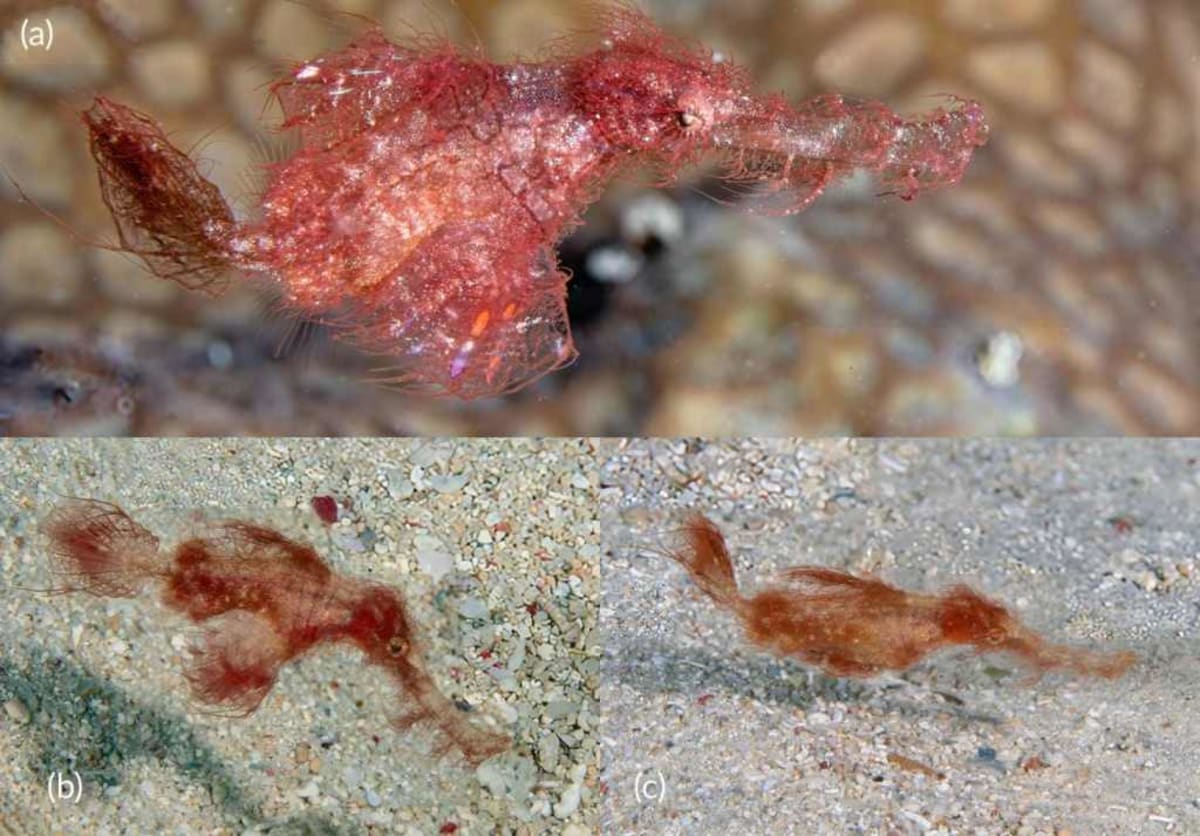
Ghost pipefish are masters of disguise, related to seahorses but even better at blending into coral reefs. This particular species sports bright orange filaments all over its body that make it look like drifting algae, helping it seemingly disappear into the ocean backdrop.
In 2022, divers near the Great Barrier Reef finally helped Harasti's team relocate the elusive creature. Using CT scans and genetic analysis, researchers confirmed what Harasti suspected nearly 20 years earlier: this was indeed a brand new species.
The scientists named it Solenostomus snuffleupagus after the woolly elephant from Sesame Street. The resemblance is uncanny, with thick, fuzzy hair covering the fish's tiny body in a way that would make Mr. Snuffleupagus proud.
Why This Inspires
This discovery reminds us that our oceans still hold countless surprises waiting to be found. The research team's 19-year persistence paid off, revealing a creature that branched off from other ghost pipefish about 18 million years ago with a unique spine structure containing extra vertebrae.
The adorable naming choice also highlights how scientists bring joy and accessibility to their work. By connecting this fuzzy little fish to a beloved childhood character, researchers help everyone feel excited about marine biology discoveries.
Our vast oceans continue to hide creatures we've never seen before, each one playing its own role in the underwater ecosystem. Every new species we identify helps us better understand and protect these incredible habitats.
Sometimes the best discoveries are worth the wait, even if it takes two decades of searching.
More Images


Based on reporting by Google: scientific discovery
This story was written by BrightWire based on verified news reports.
Spread the positivity!
Share this good news with someone who needs it