Game Theory Reveals Hidden Strategy in Tour de France
Scientists explain why Tour de France cyclists make seemingly irrational decisions that actually showcase brilliant strategic thinking. The answer lies in psychology and game theory, not just physical strength.
The world's toughest cycling race isn't just about leg strength and stamina. As the Tour de France wraps up this weekend, scientists reveal that winning requires mastering an invisible chess game on wheels.
Every day, small groups of cyclists break away from the main pack, knowing they'll likely be caught. To outsiders, this looks foolish. But these "irrational" moves are actually sophisticated strategic plays driven by game theory.
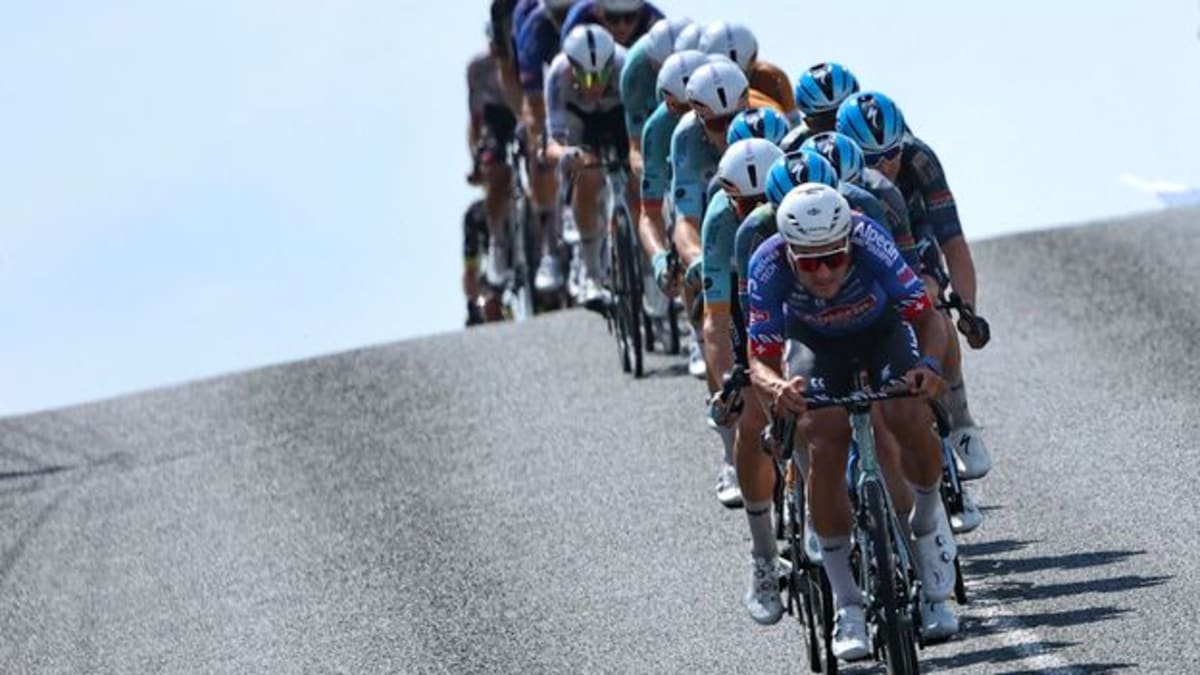
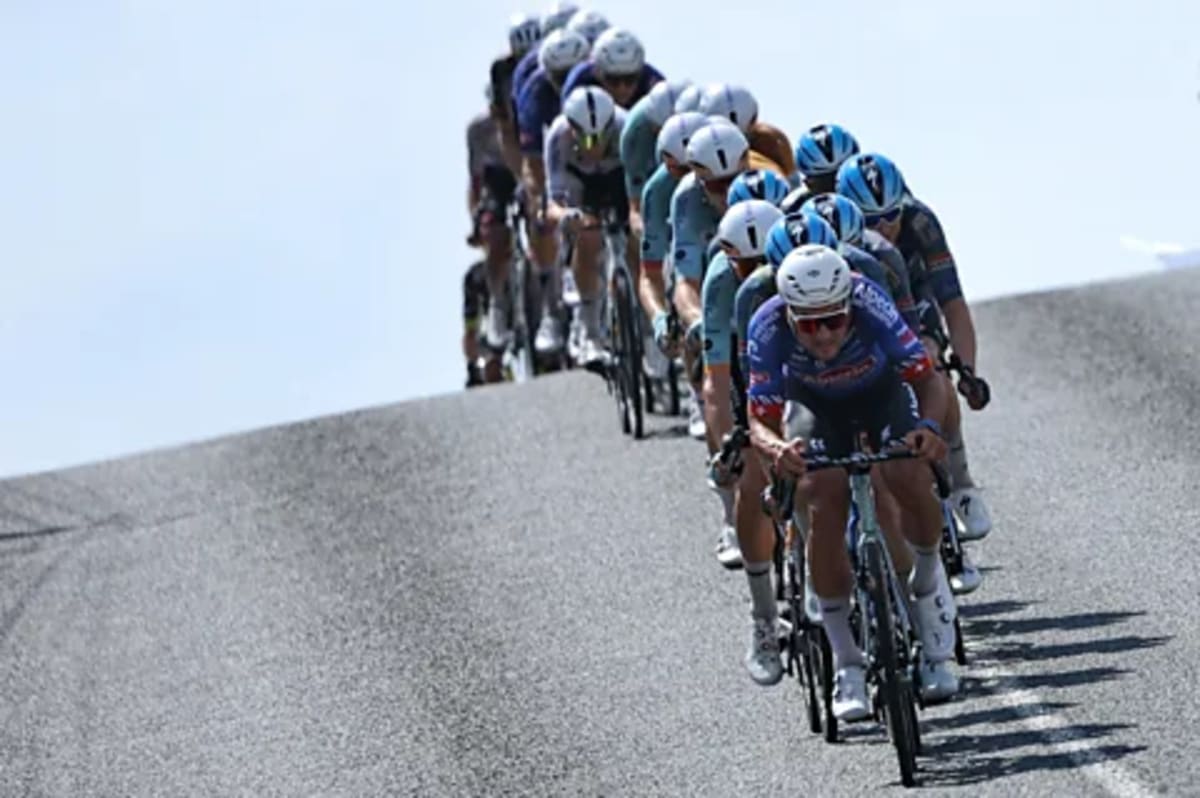
Here's the puzzle: riding in the main group (called the peloton) is far easier because cyclists share the burden of cutting through wind resistance. At 25 mph, air resistance becomes a powerful force. Riders at the front work harder, shielding everyone behind them.
So why would anyone break away and do all that hard work alone? The answer isn't about winning stages. It's about TV coverage for team sponsors.
Running a professional cycling team costs serious money. Sponsors fund these teams in exchange for global television exposure. While only a few riders can compete for the famous yellow jersey, every team needs camera time to keep sponsors happy.
Breaking away from the pack guarantees TV coverage, even if success seems unlikely. On flat stages, only 2% of breakaways actually win. On mountain stages, where wind resistance matters less, that jumps to 40%.
The peloton holds enormous power to reel in escapees. When breakaways include major contenders, rival teams immediately chase them down. But riders who pose no overall threat might be allowed to stay ahead, at least temporarily.
Why This Inspires
This research reveals something wonderful about human competition. What looks chaotic is actually elegant problem-solving under pressure. Every rider calculates risk, reward, and team benefit while pedaling at breakneck speeds.
The Tour de France proves that physical prowess alone never wins. Success requires reading other competitors, understanding incentives, and making split-second strategic decisions. These athletes are simultaneously breaking their bodies and exercising brilliant minds.
Game theory explains the beautiful complexity underneath the suffering. These cyclists aren't just tough. They're playing three-dimensional chess while climbing mountains at speeds most of us will never reach on flat ground.
The Tour finishes this weekend, but the lesson extends far beyond cycling: the smartest victories come from understanding not just your own strengths, but the hidden rules shaping everyone's choices.
More Images
Based on reporting by Google News - Technology
This story was written by BrightWire based on verified news reports.
Spread the positivity!
Share this good news with someone who needs it