Gay Games 2026: Where LGBTQ+ Athletes Compete Without Limits
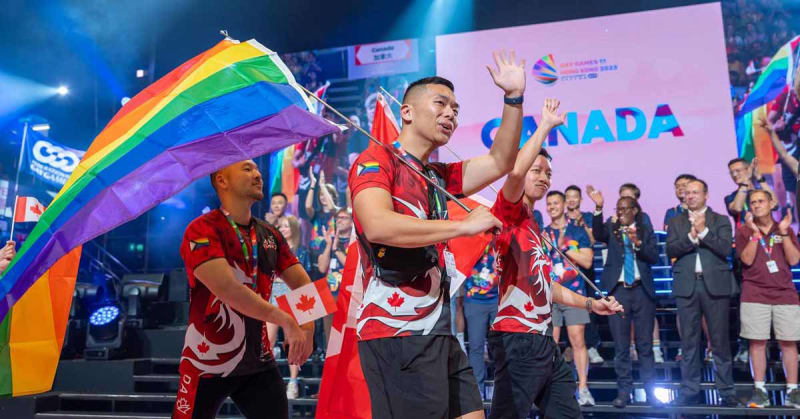
While 47 out LGBTQ+ athletes compete at the 2026 Winter Olympics, thousands more will gather this summer for the Gay Games in València, Spain. Since 1982, this global event has celebrated inclusion over exclusion, welcoming athletes of all identities to compete in everything from track and field to dragon boating.
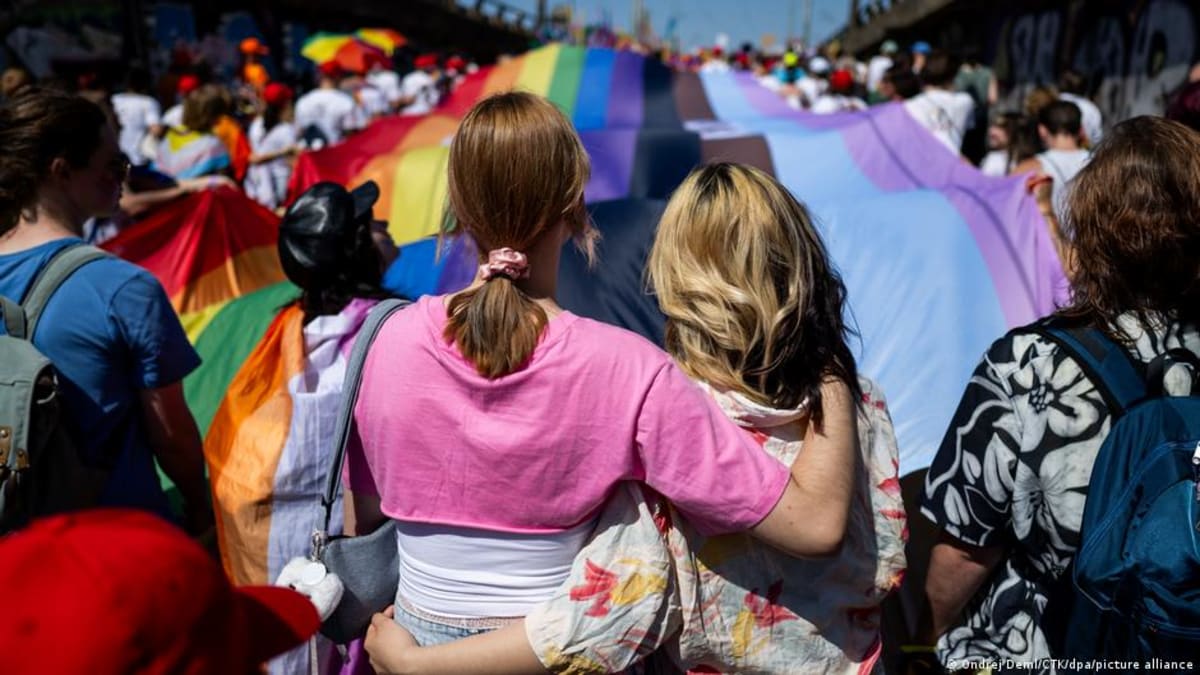
Every four years, a different kind of Olympic Games takes place, and this one has a revolutionary mission: everyone is welcome, no exceptions.
The Gay Games started in 1982 when Olympic decathlete Tom Waddell wanted to create a space where LGBTQ+ athletes could compete without facing discrimination. His vision was simple but powerful: make sports about participation and self-fulfillment, not just winning.
"They're symbolic in the Gay movement in a way that is assertively free of discrimination," Waddell said in 1983. "They're symbolic of friendship and fun, and they are for everyone."
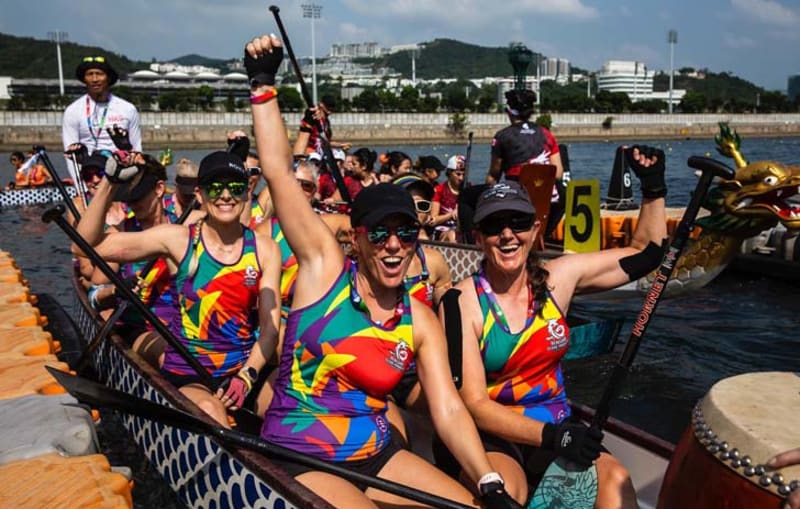
That vision has grown into a 10-day celebration combining athletics, art, and culture. Athletes compete in traditional sports like swimming, track and field, and cycling, plus unique events like dragon boating and dance competitions. Between tournaments, participants can join workshops, memorial runs, or simply gather at the pool.
The next Games happen this summer in València, Spain, with registration still open starting at $195. Perth, Australia will host in 2030, beating out 24 other cities including Denver, where Colorado Governor Jared Polis even joked about trying out for the baseball team.
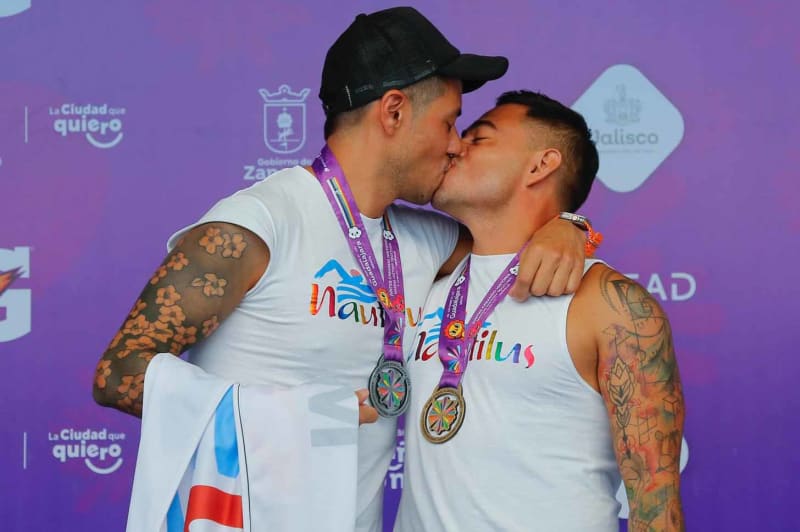
What makes the Gay Games different is how they handle competition. The Federation offers binary and mixed gender categories, encouraging participants to compete in whichever category reflects their true identity. Both traditional medals and participation medals get awarded, making space for serious athletes and recreational players alike.
The Ripple Effect
The impact reaches far beyond the medal stand. In a world where trans and non-binary athletes still face calls for exclusion from sports, the Gay Games proves a different model works. Cities compete fiercely to host, recognizing the cultural and economic value of welcoming LGBTQ+ athletes and their supporters.
"This milestone is not just about choosing a city," said Austin Manning, officer of site selection. "It's about envisioning a future where LGBTQ+ sports and culture, and the values we have in common, shine brighter than ever."
The timing matters too: while the 2026 Winter Olympics celebrated a record 47 out LGBTQ+ competitors, that number represents just a fraction of LGBTQ+ athletes worldwide who deserve spaces to compete and thrive.
For 44 years, the Gay Games have shown that sports can be both competitive and completely inclusive, proving that the best version of athletics leaves nobody on the sidelines.
More Images

Based on reporting by Good Good Good
This story was written by BrightWire based on verified news reports.
Spread the positivity!
Share this good news with someone who needs it